
Japanese Public, Private Sectors to Partner on ¥3 Tril. Project to Develop Domestic AI, SoftBank to Be Key Firm Involved
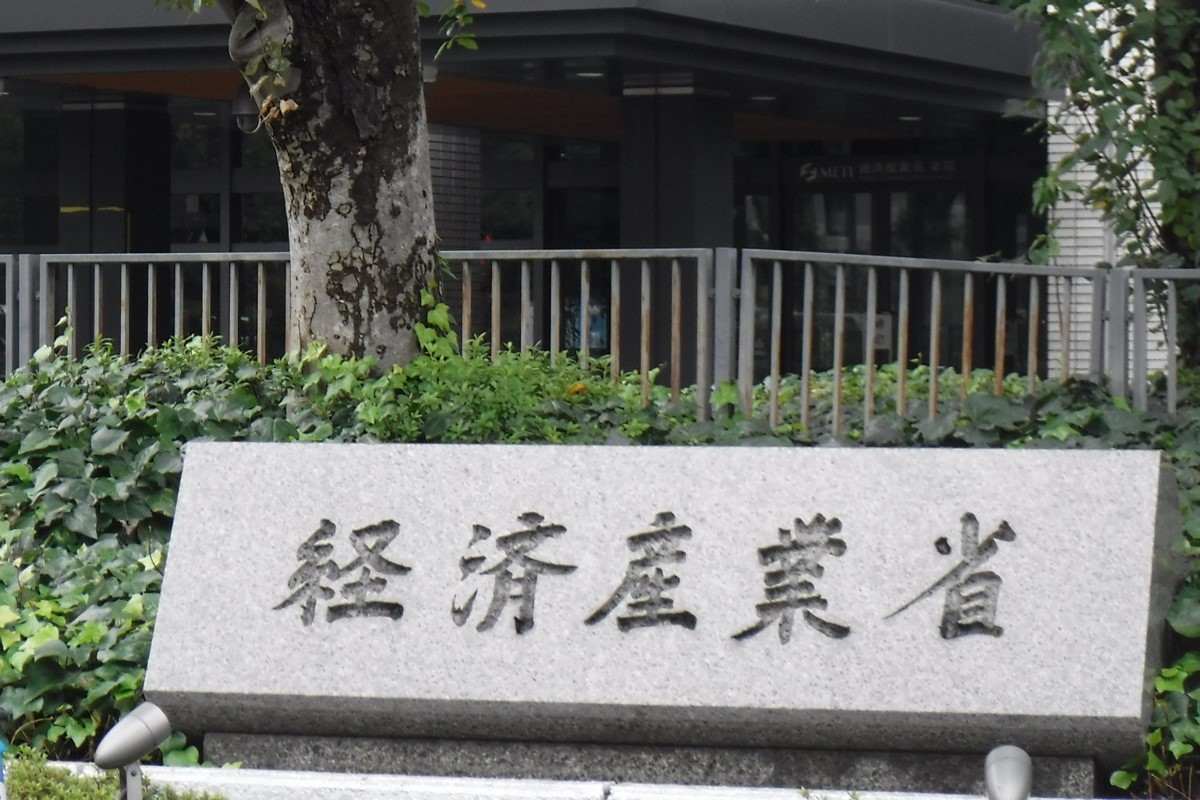
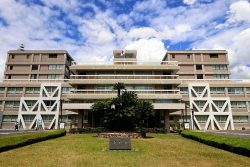
The Economy, Trade and Industry Ministry building in Chiyoda Ward, Tokyo.
21:00 JST, December 21, 2025
Aiming to develop Japan’s largest foundation model for artificial intelligence, a new company will be established as early as next spring by more than 10 Japanese companies, including SoftBank Corp., according to the details of a domestic AI development project totaling ¥3 trillion.
Because the United States and China are leading the world in the development of AI, the Japanese public and private sectors will jointly work on the project to regain last ground.
SoftBank and others are considering responding to a public offering to be placed by the Economy, Trade and Industry Ministry. The ministry will provide about ¥1 trillion for the new company over a five year period starting in fiscal 2026.
You may also like to read
Japan Mulls ¥1 Tril. Investment in AI as Country Said to Be Lagging Behind Other Countries in AreaThe ministry plans to include over ¥300 billion for related expenses in the budget for fiscal 2026.
SoftBank plans to invest ¥2 trillion in data centers to be used for the development and provision of AI over six years starting in fiscal 2026.
Softbank will play a central role in establishing the new company, which is expected to have about 100 employees, mainly AI engineers from Softbank and AI development company Preferred Networks, Inc.
The new company will first aim to develop a foundation model with 1 trillion parameters, a size that has been achieved or exceeded by the world’s leading AIs. The envisaged model will be made available to Japanese companies so they can use it for their own purposes. The ultimate aim of the project is to develop an AI that can be used in robots and is expected to become mainstream in the future.
The new company will procure a large amount of high performance semiconductors from U.S. semiconductor giant Nvidia and develop a large scale computer platform to be used in AI learning.
Since this project will require a massive amount of money, the ministry will offer financial assistance to cover part of the development and other costs. The government will also provide subsidies for the collection and purchase of data used for AI learning.
To develop an AI that consume less electricity than overseas AIs, the government will also consider using “GX economic transition bonds” to finance the project.
SoftBank believes that the development of domestic AI will spur demand for AI in Japan, such as the development of new products and services, and that the project will allow the company to get usage fees that will compensate for the massive investment.
Currently, data centers are being built in Tomakomai, Hokkaido, and Sakai, and they are scheduled to begin operations by fiscal 2026.
These two data centers are likely to be used for the development and provision of domestic AI. Investments will be made in a phased manner according to corporate demand for AI.
AI is directly related to industrial competitiveness and national security, and it has become a technology th at influences national power. The ministry believes that relying solely on foreign AI poses industrial risks.





Most Read
Popular articles in the past 24 hours
-

Strait of Hormuz Closure Shakes Markets; Prolonged Closure Could ...
-
Measles Patient Visited Hospital in Bunkyo Ward, Tokyo, Metropoli...
-

Iran Situation: Japan Must Exert Diplomatic Efforts without Merel...
-

Milano Cortina 2026: Japanese Figure Skater Miura Returns to Home...
-
2 of Japan's Opposition Parties Submit Bill to Revise Political F...
-

Takayama Among World's Top 10 Most Welcoming Cities for 2026; 2nd...
-
Chiba Police to Arrest Japanese National in Midair; Man Accused o...
-
Former Nomura Securities Employee Given 18-year Prison Sentence f...
Popular articles in the past week
-
Milano Cortina 2026: Japanese Gold Medalist Figure Skater Miura S...
-
Tokyo Spends Big on Children, Wins Over Parents
-

Japan’s Miura, Kihara Announce Withdrawal from Figure Skating Wor...
-

Yokohama to Test Out Renewable-Powered Offshore Floating Data Cen...
-
BOJ Keeping Eye on Economy and Takaichi's ‘Proactive Fiscal Polic...
-
Tokyo Measles Patient Traveled to Fukuoka Aboard JAL Planes; Susp...
-
Japan’s Takaichi Speaks on New U.S. Tariff in Upper House, Says P...
-
Nidec Chairman Resigns Amid Accounting Scandal at Major Japanese ...
Popular articles in the past month
-

Producer Behind Pop Group XG Arrested for Cocaine Possession
-

Japan PM Takaichi’s Cabinet Resigns en Masse
-

Man Infected with Measles Reportedly Dined at Restaurant in Tokyo...
-

Israeli Ambassador to Japan Speaks about Japan’s Role in the Reco...
-

Videos Plagiarized, Reposted with False Subtitles Claiming ‘Ryuky...
-

Prudential Life Insurance Plans to Fully Compensate for Damages C...
-

Woman with Measles Visited Hospital in Tokyo Multiple Times Befor...
-

iPS Treatments Pass Key Milestone, but Broader Applications Far f...
Top Articles in Politics
-
Japan PM Takaichi’s Cabinet Resigns en Masse
-

Sanae Takaichi Elected Prime Minister of Japan; Keeps All Cabinet Appointees from Previous Term
-

Japan’s Govt to Submit Road Map for Growth Strategy in March, PM Takaichi to Announce in Upcoming Policy Speech
-

LDP Wins Landslide Victory, Secures Single-party Majority; Ruling Coalition with JIP Poised to Secure Over 300 seats (UPDATE 1)
-

LDP Wins Historic Landslide Victory
JN ACCESS RANKING
-
Producer Behind Pop Group XG Arrested for Cocaine Possession
-
Japan PM Takaichi’s Cabinet Resigns en Masse
-
Man Infected with Measles Reportedly Dined at Restaurant in Tokyo Station
-
Israeli Ambassador to Japan Speaks about Japan’s Role in the Reconstruction of Gaza
-
Videos Plagiarized, Reposted with False Subtitles Claiming ‘Ryukyu Belongs to China’; Anti-China False Information Also Posted in Japan