
Beijing’s Long Record of Economic Coercion against Japan Raises Fresh Concerns over Rare Earths, Visa Waiver
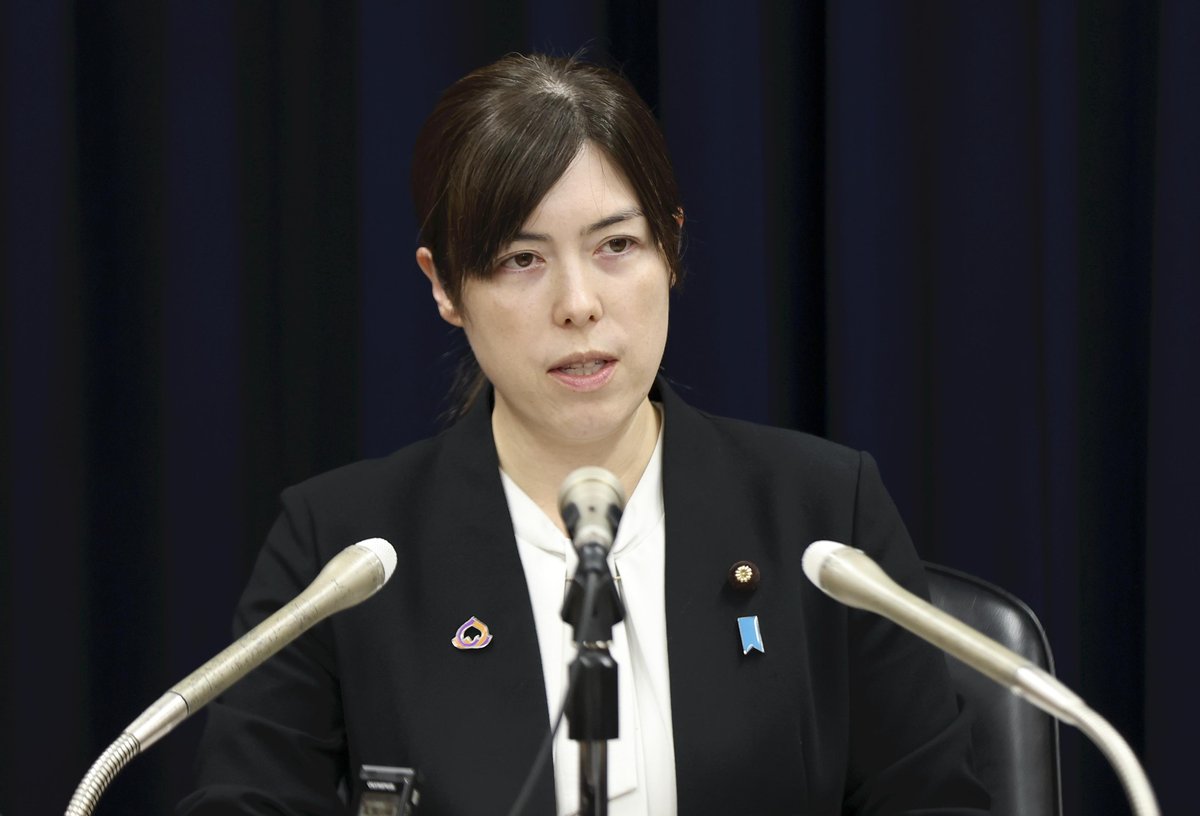
Economic security minister Kimi Onoda
7:00 JST, November 22, 2025
BEIJING — The Chinese government has repeatedly used trade restrictions and other forms of economic coercion against countries it is at odds with. Beijing, in its latest response to tensions, has urged Chinese citizens to refrain from traveling to Japan.
There are growing concerns that China could go further by imposing new export controls on rare earths bound for Japan or by ending the short-term visa waiver for Japanese visitors when it expires on Dec. 31.
After the September 2010 collision between a Chinese fishing boat and a Japan Coast Guard patrol vessel near the Senkaku Islands, China moved to restrict exports of rare earths to Japan. In the wake of the Japanese government’s decision in September 2012 to nationalize the Senkaku Islands, Beijing also imposed measures such as tougher customs inspections on Japanese products.
When the South Korean government and U.S. Forces in Korea decided in July 2016 to deploy the Terminal High Altitude Area Defense (THAAD) missile defense system, China restricted the inflow of South Korean films and other cultural content, a measure that remains in place today.
At a press conference on Tuesday, economic security minister Kimi Onoda, asked about the impact of Beijing’s call for Chinese citizens to avoid travel to Japan, warned that “it is risky to depend too heavily on a country that immediately resorts to economic coercion whenever it encounters something it dislikes.”
She added, “Ideally, we should always be thinking about how to keep the economy running in ways that reduce such risks.”


Related Tags





Most Read
Popular articles in the past 24 hours
-
Seeking Nuclear Waste Site, Japan Eyes Remote Island of Minami-To...
-
Artisans from Disaster-Hit Areas Work Together to Keep Memories o...
-
Japan Tourist Spot's Capsule Toys Made from Recycled Materials Pr...
-

CARTOON OF THE DAY (March 4)
-

Japan’s Space One Kairos 3rd Flight Rocket Launched, but Mission ...
-

Men Compete in Fierce Tug-of-War for Aomori Festival
-
International Students Experience Sake Brewing in Japan's Akita P...
-

Person Apparently Caught in Avalanche on Mt. Kamifurano in Hokkai...
Popular articles in the past week
-
Tokyo Spends Big on Children, Wins Over Parents
-

South Korea Tightens Rules on Foreigners Buying Homes in Seoul Me...
-

Japan’s Miura, Kihara Announce Withdrawal from Figure Skating Wor...
-

BOJ Keeping Eye on Economy and Takaichi's ‘Proactive Fiscal Polic...
-

Nidec Chairman Resigns Amid Accounting Scandal at Major Japanese ...
-

Strait of Hormuz Closure Shakes Markets; Prolonged Closure Could ...
-
2 Unpublished Early Novellas by Japan's Kenzaburo Oe Discovered, ...
-
Tourists Ignore Safety Barriers Near Famous Zao ‘Snow Monsters’ i...
Popular articles in the past month
-

Producer Behind Pop Group XG Arrested for Cocaine Possession
-

Japan PM Takaichi’s Cabinet Resigns en Masse
-

Man Infected with Measles Reportedly Dined at Restaurant in Tokyo...
-

Israeli Ambassador to Japan Speaks about Japan’s Role in the Reco...
-

Videos Plagiarized, Reposted with False Subtitles Claiming ‘Ryuky...
-

Prudential Life Insurance Plans to Fully Compensate for Damages C...
-

Woman with Measles Visited Hospital in Tokyo Multiple Times Befor...
-

iPS Treatments Pass Key Milestone, but Broader Applications Far f...
Top Articles in Politics
-
Japan PM Takaichi’s Cabinet Resigns en Masse
-

Sanae Takaichi Elected Prime Minister of Japan; Keeps All Cabinet Appointees from Previous Term
-

Japan’s Govt to Submit Road Map for Growth Strategy in March, PM Takaichi to Announce in Upcoming Policy Speech
-

LDP Wins Landslide Victory, Secures Single-party Majority; Ruling Coalition with JIP Poised to Secure Over 300 seats (UPDATE 1)
-

LDP Wins Historic Landslide Victory
JN ACCESS RANKING
-
Producer Behind Pop Group XG Arrested for Cocaine Possession
-
Japan PM Takaichi’s Cabinet Resigns en Masse
-
Man Infected with Measles Reportedly Dined at Restaurant in Tokyo Station
-
Israeli Ambassador to Japan Speaks about Japan’s Role in the Reconstruction of Gaza
-
Videos Plagiarized, Reposted with False Subtitles Claiming ‘Ryukyu Belongs to China’; Anti-China False Information Also Posted in Japan