
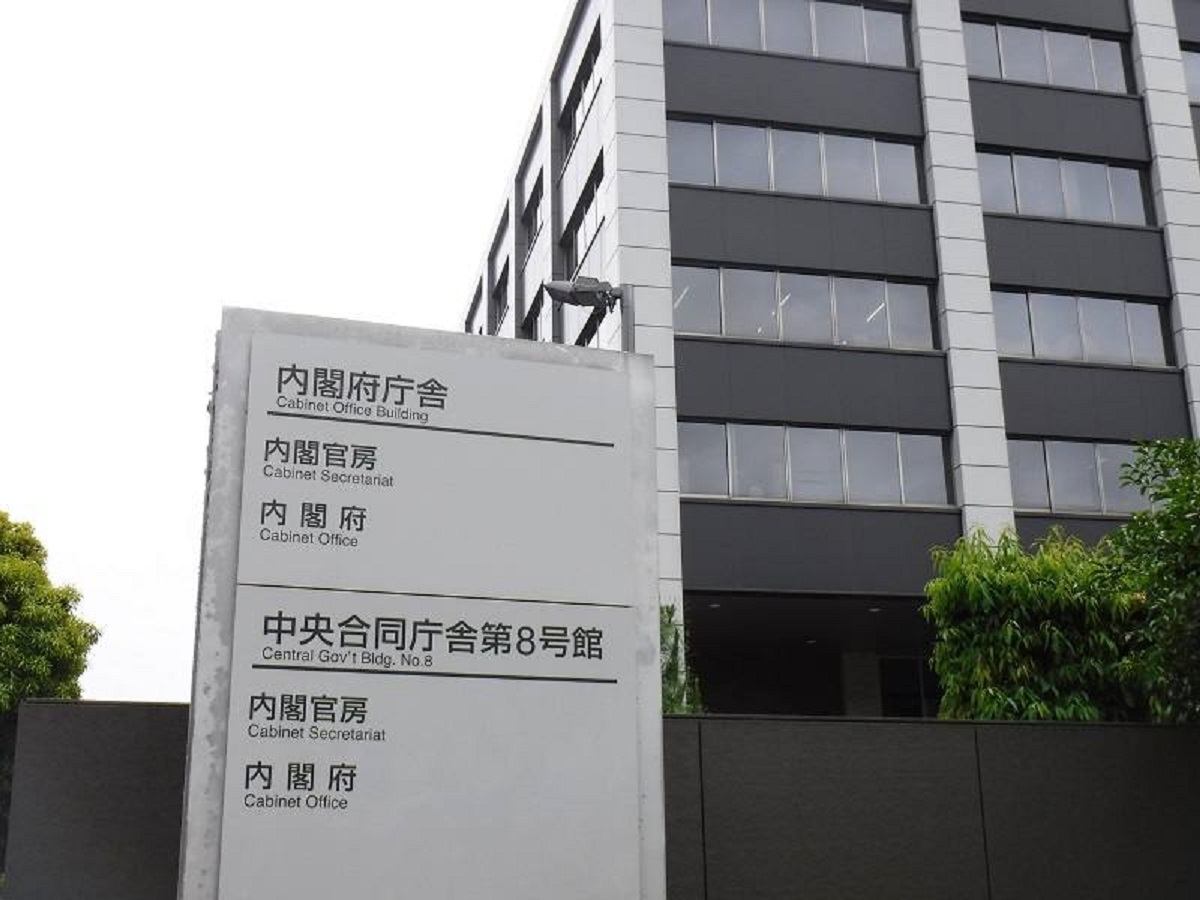
The Cabinet Office building in Chiyoda Ward, Tokyo
11:23 JST, April 15, 2024
TOKYO (Reuters) – Japan’s key gauge of capital spending jumped the most in a year in February, rebounding sharply from the prior month’s decline in a welcome sign for domestic demand even as authorities worry about a weakening yen and its impact on the cost of living.
Core machinery orders rose 7.7% in February from the previous month, blowing past a 0.8% increase expected by economists in a Reuters poll, Cabinet Office data showed on Monday.
It was the fastest growth in core orders since January 2023 and more than recouped a 1.7% fall in the previous month.
“Machinery orders have hit the bottom,” said Takeshi Minami, chief economist at Norinchukin Research Institute.
“Japanese firms are making higher profits and hiking wages lately so it’s natural for them to raise investment as well,” Minami added.
“Still, risks remain due to uncertainty over the global economy. For example, the Middle East crisis may trigger a spike in crude oil prices which would discourage Japanese firms from boosting capex.”
Iran launched explosive drones and fired missiles at Israel late on Saturday in its first direct attack on Israeli territory, a retaliatory strike that raised the threat of a wider regional conflict.
Compared with a year earlier, core orders, a highly volatile data series regarded as an indicator of capital spending in the coming six to nine months, declined 1.8% in February but that was again shallower than a 6.0% drop seen by economists.
Brisk capital spending should ease concerns about weak domestic demand as government and central bank policymakers try to stoke a virtuous growth cycle led by durable consumption and solid wages.
Japanese firms have come up with strong plans for investment in plants and equipment in recent years, but uncertainty over the economic outlook has caused delays in implementing those plans.
This time around, however, solid wage hikes offered by major companies should encourage domestic consumption and in turn boost business confidence around capital investment plans, analysts say.
The core orders data was released amid a backdrop of concerns around persistent weakness in the yen.
The Japanese currency slumped to 34-year lows against the dollar beyond 153 yen last week, which could boost import prices and add to already stiff cost-of-living pressures.
Last month, the Bank of Japan ended negative interest rates in a landmark shift away from its decade-long super-easy accommodative policy after major firms offered big pay raise at annual wage talks in mid-March. But monetary conditions are still relatively easy with the BOJ flagging a cautious track for further policy tightening for the rest of this year.
Capital spending is among factors that policymakers will consider as they look to decisively shift Japan onto the path of monetary policy normalization.









Most Read
Popular articles in the past 24 hours
-
Tokyo Spends Big on Children, Wins Over Parents
-

Japan’s Miura, Kihara Announce Withdrawal from Figure Skating Wor...
-

Japan's Opposition Parties Largely Absent from Social Security-Re...
-

Hokkaido's Shiretoko Peninsula Offers Unique Drift Ice Walking To...
-

6 of Japan's Remote Islands to Be Added to Govt List for Priority...
-
Showa-era Towers in Kansai’s Big Cities Become Social Media Sensa...
-

Emperor to Attend World Baseball Classic Match When Japan Takes o...
-

Tourists Ignore Safety Barriers Near Famous Zao ‘Snow Monsters’ i...
Popular articles in the past week
-

Producer Behind Pop Group XG Arrested for Cocaine Possession
-

Nepal Bus Crash Kills 19 People, Injures 25 Including One Japanes...
-

Tokyo Skytree's Elevator Stops, Trapping 20 People; All Rescued (...
-

Milano Cortina 2026: Japanese Gold Medalist Figure Skater Miura S...
-

Japan’s Major Real Estate Firms Expanding Overseas Businesses to ...
-

Reciprocal Tariffs Ruled Illegal: Judiciary Would Not Tolerate Pr...
-

Japanese High School Student Aims to Share Kaiten History Through...
-

Milano Cortina 2026: Miura-Kihara Duo, Other Japanese Figure Skat...
Popular articles in the past month
-
Producer Behind Pop Group XG Arrested for Cocaine Possession
-

Japan PM Takaichi’s Cabinet Resigns en Masse
-

Man Infected with Measles Reportedly Dined at Restaurant in Tokyo...
-

Israeli Ambassador to Japan Speaks about Japan’s Role in the Reco...
-

Videos Plagiarized, Reposted with False Subtitles Claiming ‘Ryuky...
-

Man Infected with Measles May Have Come in Contact with Many Peop...
-

Prudential Life Insurance Plans to Fully Compensate for Damages C...
-

Woman with Measles Visited Hospital in Tokyo Multiple Times Befor...
Top Articles in News Services
-
Survey Shows False Election Info Perceived as True
-

Hong Kong Ex-Publisher Jimmy Lai’s Sentence Raises International Outcry as China Defends It
-
Japan’s Nikkei Stock Average Touches 58,000 as Yen, Jgbs Rally on Election Fallout (UPDATE 1)
-
Japan’s Nikkei Stock Average Falls as US-Iran Tensions Unsettle Investors (UPDATE 1)
-
Japan’s Nikkei Stock Average Rises on Tech Rally and Takaichi’s Spending Hopes (UPDATE 1)
JN ACCESS RANKING
-
Producer Behind Pop Group XG Arrested for Cocaine Possession
-
Japan PM Takaichi’s Cabinet Resigns en Masse
-
Man Infected with Measles Reportedly Dined at Restaurant in Tokyo Station
-
Israeli Ambassador to Japan Speaks about Japan’s Role in the Reconstruction of Gaza
-
Videos Plagiarized, Reposted with False Subtitles Claiming ‘Ryukyu Belongs to China’; Anti-China False Information Also Posted in Japan