
Milano Cortina 2026: Japan’s Noake Makes Olympic Debut, Helps Speed Skating Squad Clinch Bronze in Women’s Team Pursuit
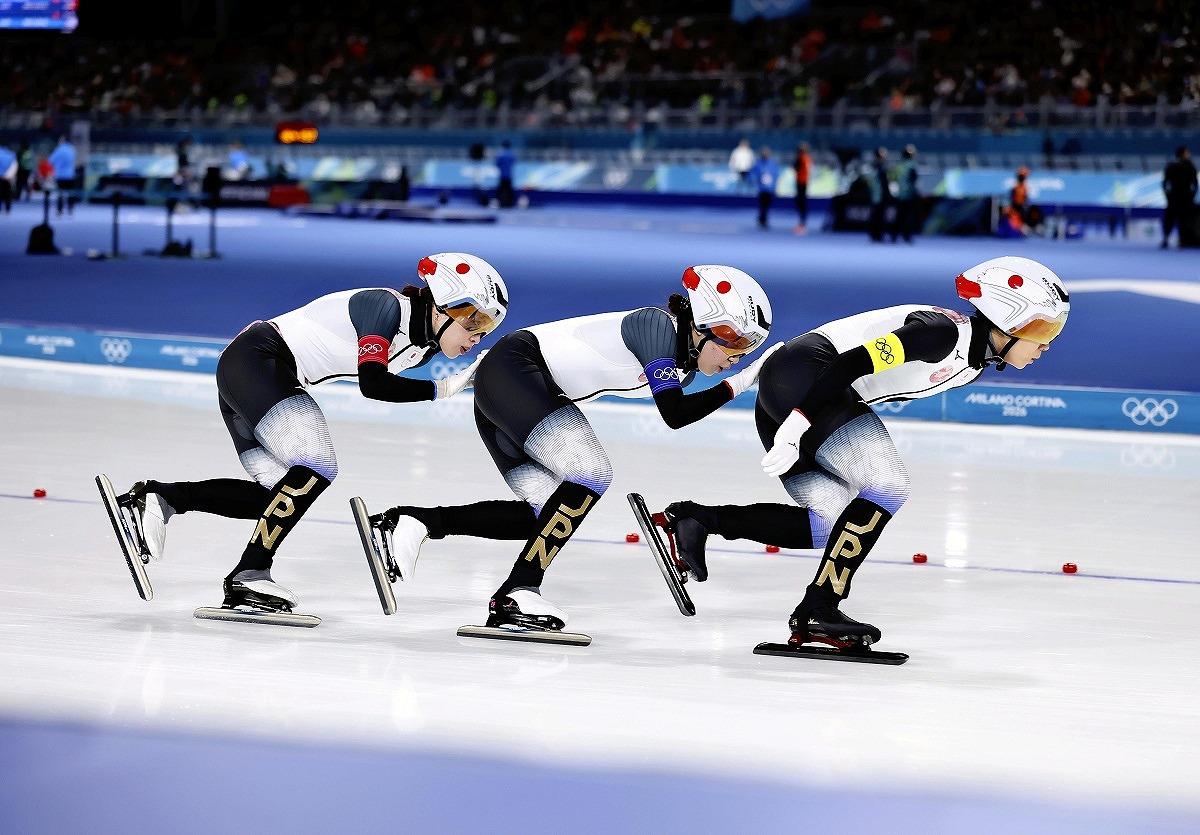
From right: Miho Takagi, Hana Noake and Ayano Sato in action during the bronze medal race in Milan on Tuesday
17:03 JST, February 18, 2026
MILAN — The Japanese speed skating team fell short of the women’s team pursuit gold it had envisioned, but the women fought back to claim bronze at the Milano Cortina Olympics on Tuesday.
After the results were announced, Miho Takagi clapped her hands and seemed satisfied with the hard-earned results.
In the bronze medal race, Takagi, Hana Noake and Ayano Sato outpaced the U.S. team and clocked a time of 2 minutes 58.50 seconds.
In a strategic roster change, Japan had Noake, the team’s fourth skater, step in for Momoka Horikawa, who skated the semifinals.
The Japan lineup had Takagi as the lead, Noake in the second position and Sato as the anchor.
You may also like to read
Milano Cortina 2026: Japan Outpaces U.S. to Secure Bronze in Women’s Team Pursuit Milano Cortina 2026: Japan Sets Winter Olympics Medal Record at 19 Milano Cortina 2026: Japan Gains Bronze in Speed Skating Women’s Team PursuitDespite the immense pressure of her first Olympic race being one competing for the bronze medal, Noake stepped onto the ice with the mindset of, “I just have to do what I have to do.”
The race consists of six laps around the 400-meter oval. The modern strategy in pursuit is the pushing technique, in which skaters forgo frequent leading transitions and instead have the skaters in second and third positions place their hands on the hips of the skater in front to provide momentum.
While Japan suffered a narrow loss to the Netherlands in the semifinals, the bronze medal match saw Noake and Sato — whom coach Shane Williamson praised for their “exceptional technical ability to sync with the lead skater’s stride” — effectively pushing Takagi forward. Despite a slightly shaky start, they maintained their speed to snatch victory.
The bronze medal race took place less than two hours after the semifinals. Horikawa anchored the line until the semifinals, and Noake stepped in for the bronze medal race.
Williamson said that competing in consecutive races with only three skaters is grueling. He added that Japan’s true strength lies in the ability to utilize all four members of the squad.
While the gold remained out of reach, Japan’s collective depth secured the country’s third consecutive Olympic medal in the event.



Related Tags





Most Read
Popular articles in the past 24 hours
-
Hawaii Museum on Tsunami Including Japan's 2011 Disaster at Risk ...
-

Japan Train Company to Increase Fares, Including in Tokyo Metropo...
-

Japan Govt to Tighten Requirements to Receive Permanent Residency...
-

Tail of ANA Plane Struck Runway During Landing in Houston; No Inj...
-

Samurai Japan Holds First Practice in Miami; Team Will Play again...
-

Iran Targets Busiest International Airport as Top UN Body Demands...
-

Japan to Face Venezuela in World Baseball Classic Quarterfinals
-

Medical Care at Home and Disasters: Ensure Systems to Provide Con...
Popular articles in the past week
-

Japan Figure Skating Legend Yuzuru Hanyu Is Proud Disaster Surviv...
-

Nippon Life Insurance's U.S. Arm Sues OpenAI Over Legal Assistanc...
-

Ibaraki Pref.'s 1st Foreign Bus Driver Hired in Tsukuba
-
Govt to Utilize ODA for Ensuring Economic Security; Securing Ener...
-
Massive Sewer Pipe Found Jutting Out of Highway in Osaka
-

Amid Strait of Hormuz Blockade, Shipping Companies Scramble to Ge...
-

Beckoning Cats Get Makeover to Fit Modern Lifestyles with Sleek D...
-

Japan Govt Survey Finds Just 10% of Workers Want Working Hours to...
Popular articles in the past month
-

Producer Behind Pop Group XG Arrested for Cocaine Possession
-

Japan PM Takaichi’s Cabinet Resigns en Masse
-

Man Infected with Measles Reportedly Dined at Restaurant in Tokyo...
-

Videos Plagiarized, Reposted with False Subtitles Claiming ‘Ryuky...
-

iPS Treatments Pass Key Milestone, but Broader Applications Far f...
-

Sanae Takaichi Elected Prime Minister of Japan; Keeps All Cabinet...
-
Japan Figure Skating Legend Yuzuru Hanyu Is Proud Disaster Surviv...
-

Nepal Bus Crash Kills 19 People, Injures 25 Including One Japanes...
Top Articles in Sports
-
Japan Figure Skating Legend Yuzuru Hanyu Is Proud Disaster Survivor and Gold Medalist, Vows to Continue Support Efforts
-
Milano Cortina 2026: Figure Skaters Riku Miura, Ryuichi Kihara Pair Win Gold; Dramatic Comeback from 5th Place in SP
-
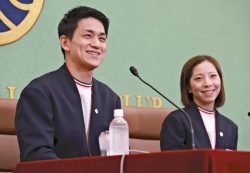
Milano Cortina 2026: Japanese Gold Medalist Figure Skater Miura Says When Kihara Retires ‘I Retire Too’
-
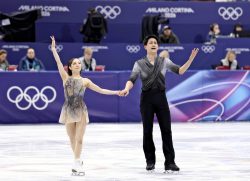
Milano Cortina 2026: Riku Miura, Ryuichi Kihara Clinch Japan’s 1st Gold in Pairs Figure Skating, Rebounding from Disappointing Short Program
-
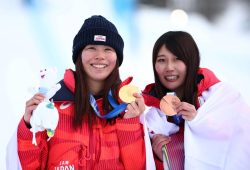
Milano Cortina 2026: Japan’s Mari Fukada Wins Gold in Women’s Snowboard Slopestyle; Japan’s Kokomo Murase in Bronze
JN ACCESS RANKING
-
Producer Behind Pop Group XG Arrested for Cocaine Possession
-
Japan PM Takaichi’s Cabinet Resigns en Masse
-
Man Infected with Measles Reportedly Dined at Restaurant in Tokyo Station
-
Videos Plagiarized, Reposted with False Subtitles Claiming ‘Ryukyu Belongs to China’; Anti-China False Information Also Posted in Japan
-
iPS Treatments Pass Key Milestone, but Broader Applications Far from Guaranteed