
Chinese, Russian Bombers Flew Unusual Path by Heading Toward Tokyo; Move Likely Meant to Intimidate Japan
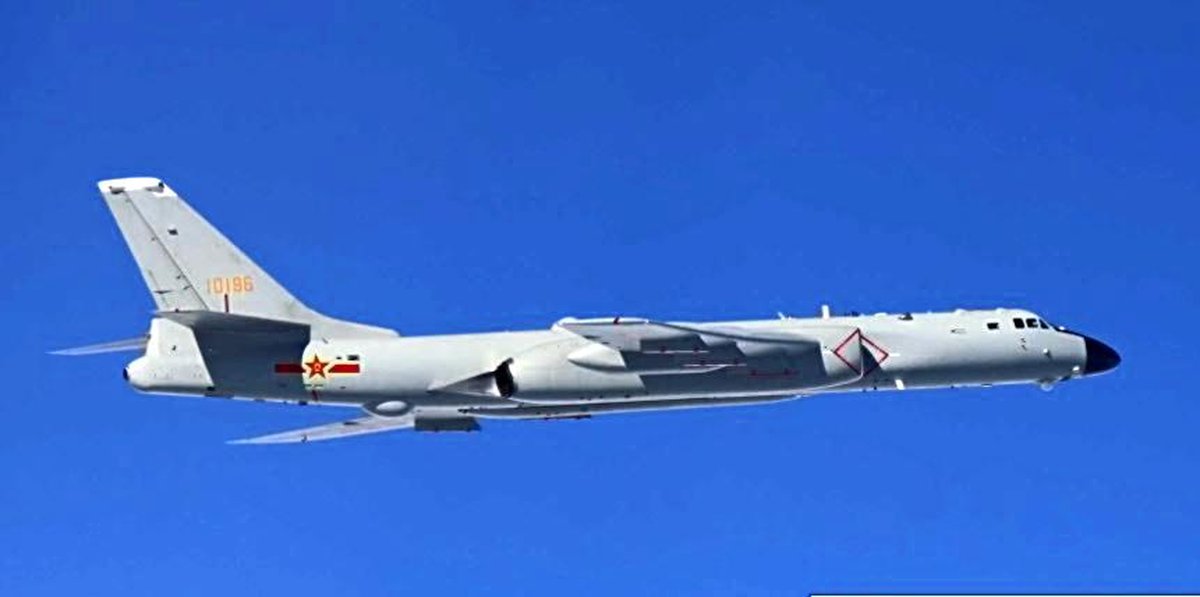
Chinese H-6 bomber
16:52 JST, December 13, 2025
Chinese and Russian bombers took an unusual route of flying toward Tokyo during their joint flight from the East China Sea to the Pacific on Tuesday, it has been learned.
The Chinese military aircraft were modified strategic bombers capable of carrying nuclear cruise missiles, raising the possibility that China, in coordination with Russia, tried to intimidate Japan, putting the Japanese government on heightened alert.

The Chinese aircraft were H-6K bombers, a modernized version of the H-6, according to multiple government sources. It is capable of launching a CJ-20 air-to-ground cruise missile, which can deliver a nuclear warhead and has a maximum range of more than 1,500 kilometers.
Two H-6K bombers, two Russian Tu-95 bombers and other fighter jets flew between Okinawa Island and Miyakojima Island before heading northeast. They flew as far as the waters off Shikoku before turning back.
If the bombers continued on toward Tokyo, the Maritime Self-Defense Force’s Yokosuka Base and the U.S. Navy’s Yokosuka Base would have been in their flight path. The bombers’ flight path also overlapped with the route taken by the Chinese aircraft carrier Liaoning on Dec. 6, when its carrier-based military aircraft directed radar at Japanese Air Self-Defense Force jets.
According to a senior Self-Defense Force official, Chinese bombers previously flew routes toward Tokyo in 2017. However, it was the first time that Chinese and Russian bombers conducted a joint flight toward Tokyo.
Chinese military aircraft have frequently headed toward Guam, where a U.S. military base is located, after flying between Okinawa Island and Miyakojima Island.
The SDF official said the latest flight was likely meant to demonstrate the ability to attack Tokyo. It also might have been China’s latest act in response to Prime Minister Sanae Takaichi’s remark at the Diet regarding a potential Taiwan contingency.







Most Read
Popular articles in the past 24 hours
-

Lady Bess: Iroha Okuda, Mayuko Kominami Discuss Performing Elizab...
-

Japan Considering Taking Part in U.S. ‘Golden Dome’ Defense Syste...
-

Japan's TEPCO Releases Footage from Fukushima N-Plant Reactor
-

Oil Reserve Releases: G7 Members Unite against Growing Threat
-

46 Evacuated from UAE, Oman on Japanese Govt-chartered Flight
-

Japan's Sanyo Shinkansen Suspended Again; Between Okayama, Aioi S...
-

Driver Dies in Collision with Express Train at Crossing in Mito; ...
-
Raise Interest Rate, Stop Yen’s Fall to Stabilize Prices
Popular articles in the past week
-

Japan Figure Skating Legend Yuzuru Hanyu Is Proud Disaster Surviv...
-

Nippon Life Insurance's U.S. Arm Sues OpenAI Over Legal Assistanc...
-
Govt to Utilize ODA for Ensuring Economic Security; Securing Ener...
-
15 Measles Patients Confirmed in Tokyo in Past 6 Days; 1 May Have...
-

Massive Sewer Pipe Found Jutting Out of Highway in Osaka
-

Japan Govt to Tighten Requirements to Receive Permanent Residency...
-

Beckoning Cats Get Makeover to Fit Modern Lifestyles with Sleek D...
-
Japan's 2nd Round of U.S. Investments May Be Worth Over $100 Bill...
Popular articles in the past month
-

Producer Behind Pop Group XG Arrested for Cocaine Possession
-

Japan PM Takaichi’s Cabinet Resigns en Masse
-

Man Infected with Measles Reportedly Dined at Restaurant in Tokyo...
-

Videos Plagiarized, Reposted with False Subtitles Claiming ‘Ryuky...
-
Japan Figure Skating Legend Yuzuru Hanyu Is Proud Disaster Surviv...
-

iPS Treatments Pass Key Milestone, but Broader Applications Far f...
-

Sanae Takaichi Elected Prime Minister of Japan; Keeps All Cabinet...
-

Nepal Bus Crash Kills 19 People, Injures 25 Including One Japanes...
Top Articles in Politics
-
Japan PM Takaichi’s Cabinet Resigns en Masse
-
Sanae Takaichi Elected Prime Minister of Japan; Keeps All Cabinet Appointees from Previous Term
-

Japan’s Govt to Submit Road Map for Growth Strategy in March, PM Takaichi to Announce in Upcoming Policy Speech
-
LDP Begins Training New Lawmakers to Avoid Scandal, Gaffes; Historic Victory in Latest Election Heightens Focus on Party
-

Japan PM Sanae Takaichi Welcomes Peach Ambassadors Koga Momo Musume to Official Residence
JN ACCESS RANKING
-
Producer Behind Pop Group XG Arrested for Cocaine Possession
-
Japan PM Takaichi’s Cabinet Resigns en Masse
-
Man Infected with Measles Reportedly Dined at Restaurant in Tokyo Station
-
Videos Plagiarized, Reposted with False Subtitles Claiming ‘Ryukyu Belongs to China’; Anti-China False Information Also Posted in Japan
-
Japan Figure Skating Legend Yuzuru Hanyu Is Proud Disaster Survivor and Gold Medalist, Vows to Continue Support Efforts