
Hyogo: Family in Japan Produces Traditional Charcoal to Help Preserve Tea Ceremony Culture
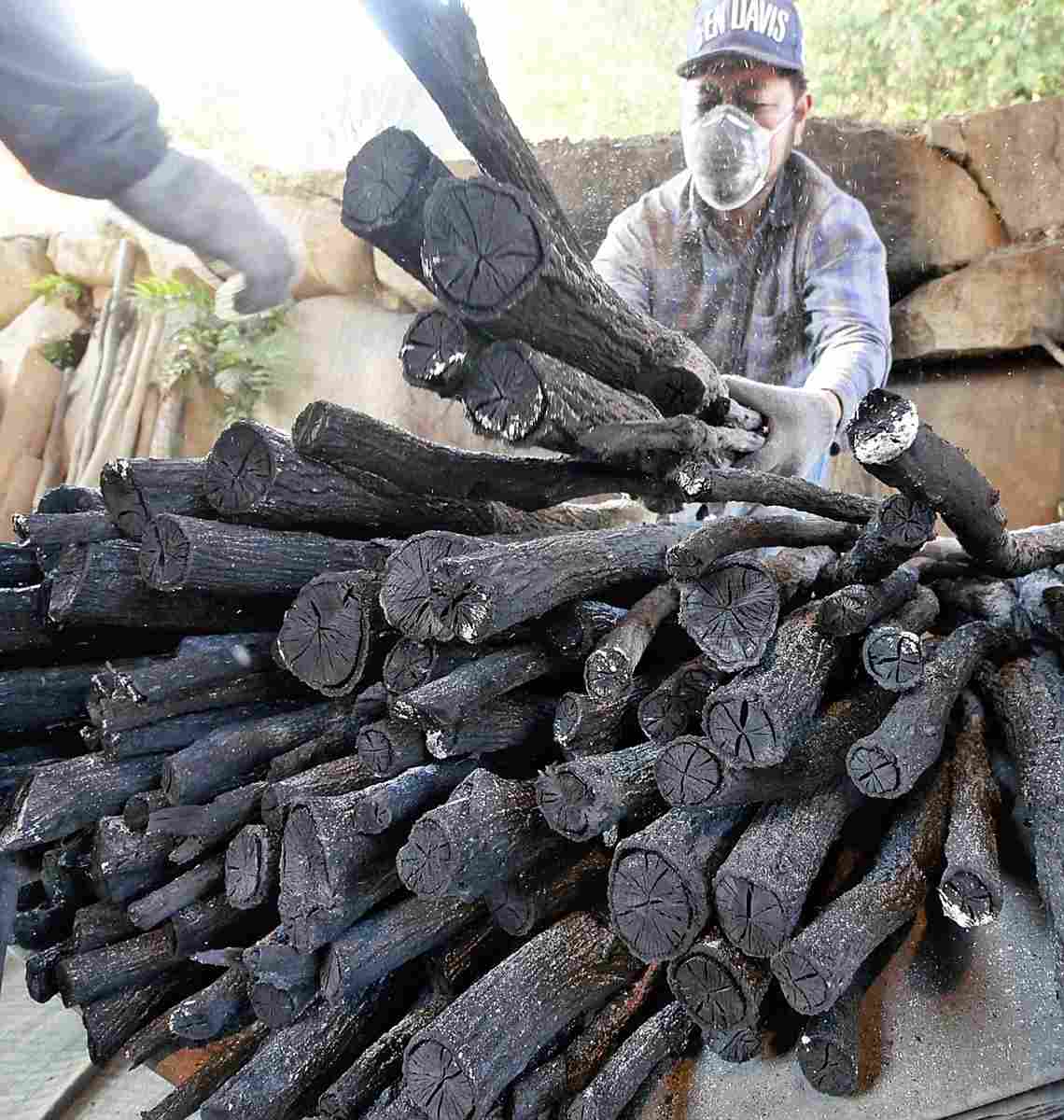
Hitokurazumi charcoal pieces are removed from a kiln in Kawanishi, Hyogo Prefecture.
15:22 JST, March 14, 2026
KAWANISHI, Hyogo — Manabu Imanishi is committed to using traditional methods to produce high-quality charcoal for tea ceremonies.
Imanishi, 54, produces Hitokurazumi charcoal in a kiln at his residence in Kawanishi, Hyogo Prefecture, by burning high-quality sawthorn oak from nearby woodlands. The charcoal is also known as kikusumi, or chrysanthemum charcoal, as the cross-section reveals cracks resembling chrysanthemum petals.
Charcoal production in the city’s Kurokawa district started about 500 years ago and was a thriving industry.
However, demand for charcoal declined as the use of electricity and gas became more common. There were about 40 charcoal-making businesses in the district around 1960, but currently, only the Imanishi family produces this traditional style of charcoal.
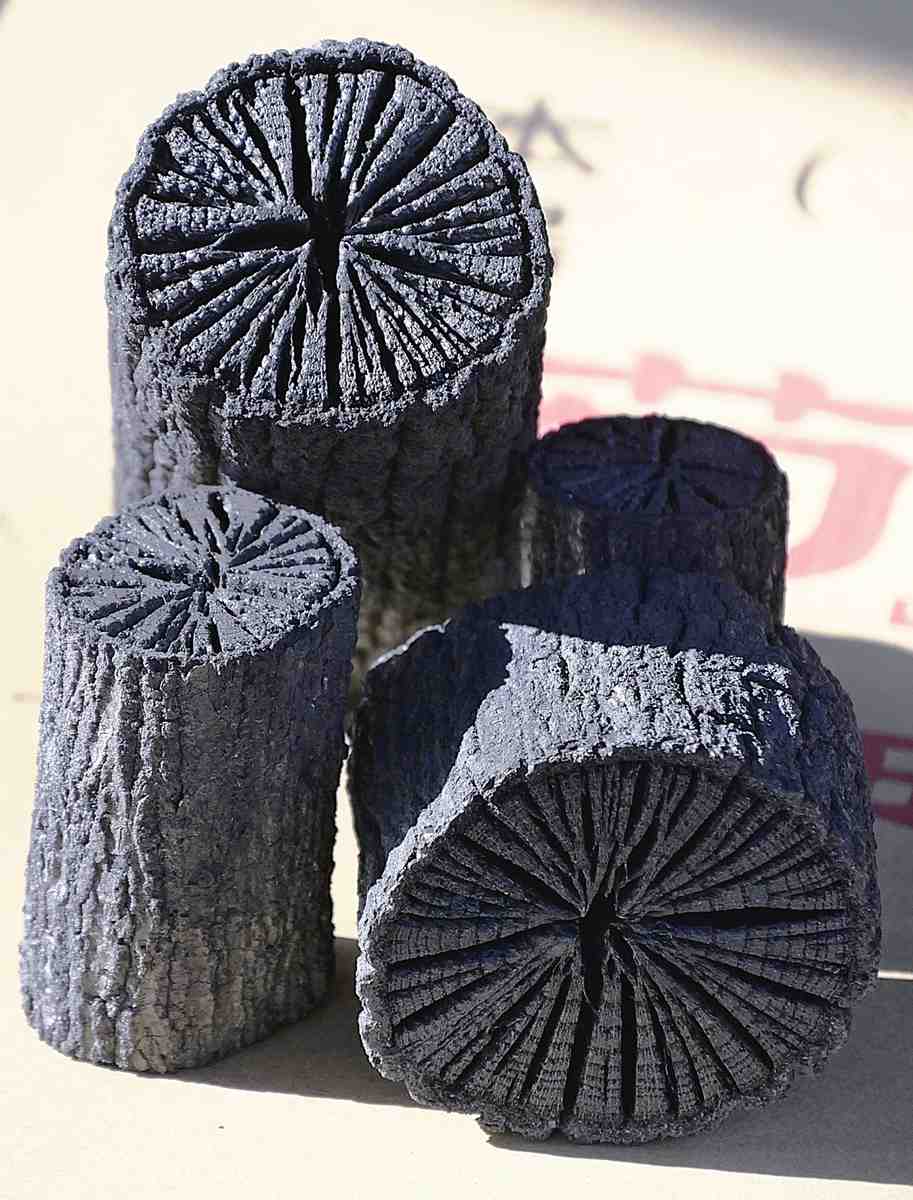
Pieces of Hitokurazumi charcoal with beautiful cross-sections
Together with his family, Imanishi begins production in late January. About 1-meter-long logs are burned in a dome-shaped kiln for three days.
After that, the chimney is sealed and the charcoal is steamed. Four to five days later, they enter the kiln, where the internal temperature is about 100 C, and carefully remove the charcoal. This work continues until early May.
Imanishi said many young trees have been used this year, resulting in charcoal that is visually appealing.
“I want to preserve the tea ceremony culture by keeping the charcoal-making fire burning,” he said.


Related Tags


Most Read
Popular articles in the past 24 hours
-
Masako Ikeda, Voice of Maetel in ‘Galaxy Express 999,' Dies at 87
-

Japan Defense Agency to Develop AI Intelligence Analysis System f...
-

Government to Establish ‘Command Center’ for Developing Nuclear P...
-

Oil Reserve Releases: G7 Members Unite against Growing Threat
-

Milano Cortina 2026: Japan’s Momoka Muraoka Takes Silver in...
-

Paw Patrol: Larry Marks 15 Years at 10 Downing Street
-
Moai Statue Shows Lasting Bond Between Miyagi Pref. Town, Easter ...
-

Milano Cortina 2026: Japan’s Oguri Wins Para Snowboard Silver at ...
Popular articles in the past week
-
Japan Figure Skating Legend Yuzuru Hanyu Is Proud Disaster Surviv...
-
Govt to Utilize ODA for Ensuring Economic Security; Securing Ener...
-
15 Measles Patients Confirmed in Tokyo in Past 6 Days; 1 May Have...
-
Massive Sewer Pipe Found Jutting Out of Highway in Osaka
-

Japan Govt to Tighten Requirements to Receive Permanent Residency...
-
Beckoning Cats Get Makeover to Fit Modern Lifestyles with Sleek D...
-
JR Tokai Breaks Ground on Yamanashi Maglev Station; Will Be Part ...
-
Power Outage Forces About 980 Passengers in Yokohama to Walk to T...
Popular articles in the past month
-

Producer Behind Pop Group XG Arrested for Cocaine Possession
-

Japan PM Takaichi’s Cabinet Resigns en Masse
-

Man Infected with Measles Reportedly Dined at Restaurant in Tokyo...
-

Videos Plagiarized, Reposted with False Subtitles Claiming ‘Ryuky...
-
Japan Figure Skating Legend Yuzuru Hanyu Is Proud Disaster Surviv...
-

iPS Treatments Pass Key Milestone, but Broader Applications Far f...
-

Sanae Takaichi Elected Prime Minister of Japan; Keeps All Cabinet...
-

Nepal Bus Crash Kills 19 People, Injures 25 Including One Japanes...
Top Articles in Features
-
Tokyo’s New Record-Breaking Fountain Named ‘Tokyo Aqua Symphony’
-
High-Hydration Bread on the Rise, Seeing Increase in Specialty Shops, Recipe Searches
-
Japanese Students Use Traditional Pickle to Create Novel Wagashi Confectionery
-

My Spendthrift Mother Constantly Asks Me for Money
-
Tourists Ignore Safety Barriers Near Famous Zao ‘Snow Monsters’ in Japan
JN ACCESS RANKING
-
Producer Behind Pop Group XG Arrested for Cocaine Possession
-
Japan PM Takaichi’s Cabinet Resigns en Masse
-
Man Infected with Measles Reportedly Dined at Restaurant in Tokyo Station
-
Videos Plagiarized, Reposted with False Subtitles Claiming ‘Ryukyu Belongs to China’; Anti-China False Information Also Posted in Japan
-
Japan Figure Skating Legend Yuzuru Hanyu Is Proud Disaster Survivor and Gold Medalist, Vows to Continue Support Efforts