
Govt Creates Criteria for Information Disclosure of Infectious Diseases Patient; Aims to Improve Clarity, Protect Identities
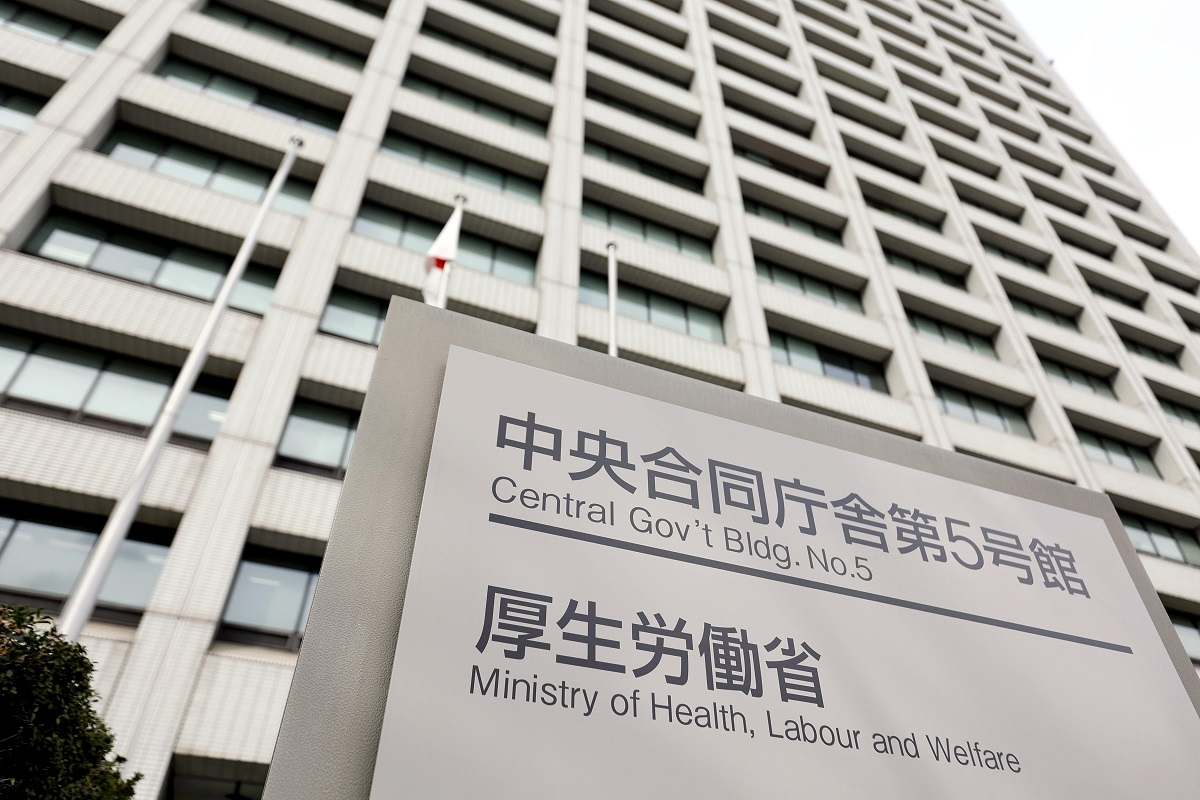
The Health, Labor and Welfare Ministry in Tokyo
17:22 JST, July 14, 2025
The Health, Labor and Welfare Ministry has established a standard for disclosing patient information in connection with infectious diseases to help the nation be better prepared for future pandemics. Patient information is disclosed by prefectural governments and government ordinance-designated cities.
The government is aiming to provide patient information that could be useful in preventing the spread of infectious diseases in a standardized manner while ensuring the protection of sensitive personal information. The ministry presented the criteria to municipal governments earlier this month.
The criteria cover the early stages of outbreaks of diseases such as novel influenza virus and novel coronavirus, which cause severe respiratory symptoms.
The information to be published includes the age, sex, prefecture of residence, date and time of onset of the disease and behavioral history such as flight number of planes patients have been on.
Information about preexisting conditions or deaths will not be published in principle but could be considered for publication if it is deemed necessary to prevent the spread of infection.
If the number of patients exceeds a certain level, municipal governments will not be required to publish information on individual cases.
Currently, there is no standard for publishing patient information except in the case of Category 1 infectious diseases, which are regarded as exceedingly dangerous, including Ebola haemorrhagic fever, according to the health ministry.
During the COVID-19 pandemic, information published by municipal governments varied, with there being some cases in which information that could be used to identify an individual was disclosed.








Most Read
Popular articles in the past 24 hours
-

Tokyo Skytree's Elevator Stops, Trapping 20 People; All Rescued (...
-

Japan’s Major Real Estate Firms Expanding Overseas Businesses to ...
-

Ukrainian Ambassador Closely Watching Japan’s Revision of Defense...
-

Milano Cortina 2026: Sakamoto Serves as Flag Bearer; Japan Earns ...
-

Emperor Turns 66 Ahead of Disaster Milestones
-

Milano Cortina 2026: There Were Cheers across the Country, after ...
-

Luna Sea Drummer Shinya Dies at 56; Powerful Drummer Behind ‘Desi...
-

Milano Cortina 2026: Riku-Ryu Duo Stick Together During Closing C...
Popular articles in the past week
-

Japan PM Takaichi’s Cabinet Resigns en Masse
-

Man Infected with Measles Reportedly Dined at Restaurant in Tokyo...
-

Sanae Takaichi Elected Prime Minister of Japan; Keeps All Cabinet...
-

Japan's Govt to Submit Road Map for Growth Strategy in March, PM ...
-

Bus Carrying 40 Passengers Catches Fire on Chuo Expressway; All E...
-

Milano Cortina 2026: Figure Skaters Riku Miura, Ryuichi Kihara Pa...
-

Japan, U.S. Name 3 Inaugural Investment Projects; Reached Agreeme...
-

U.S. Firm to Build Training Hub in Fukushima N-plant for Debris R...
Popular articles in the past month
-
Japan PM Takaichi’s Cabinet Resigns en Masse
-

Japan Institute to Use Domestic Commercial Optical Lattice Clock ...
-

Israeli Ambassador to Japan Speaks about Japan’s Role in the Reco...
-
Man Infected with Measles Reportedly Dined at Restaurant in Tokyo...
-

Videos Plagiarized, Reposted with False Subtitles Claiming ‘Ryuky...
-

Man Infected with Measles May Have Come in Contact with Many Peop...
-

Prudential Life Insurance Plans to Fully Compensate for Damages C...
-

Woman with Measles Visited Hospital in Tokyo Multiple Times Befor...
Top Articles in Politics
-
Japan PM Takaichi’s Cabinet Resigns en Masse
-
Sanae Takaichi Elected Prime Minister of Japan; Keeps All Cabinet Appointees from Previous Term
-
Japan’s Govt to Submit Road Map for Growth Strategy in March, PM Takaichi to Announce in Upcoming Policy Speech
-

LDP Wins Historic Landslide Victory
-

LDP Wins Landslide Victory, Secures Single-party Majority; Ruling Coalition with JIP Poised to Secure Over 300 seats (UPDATE 1)
JN ACCESS RANKING
-
Japan PM Takaichi’s Cabinet Resigns en Masse
-
Japan Institute to Use Domestic Commercial Optical Lattice Clock to Set Japan Standard Time
-
Israeli Ambassador to Japan Speaks about Japan’s Role in the Reconstruction of Gaza
-
Man Infected with Measles Reportedly Dined at Restaurant in Tokyo Station
-
Videos Plagiarized, Reposted with False Subtitles Claiming ‘Ryukyu Belongs to China’; Anti-China False Information Also Posted in Japan