
Record High 69,123 Students Need Japanese Language Help; Increase Comes from Growing Foreign Population, Japanese Children Living Oversea
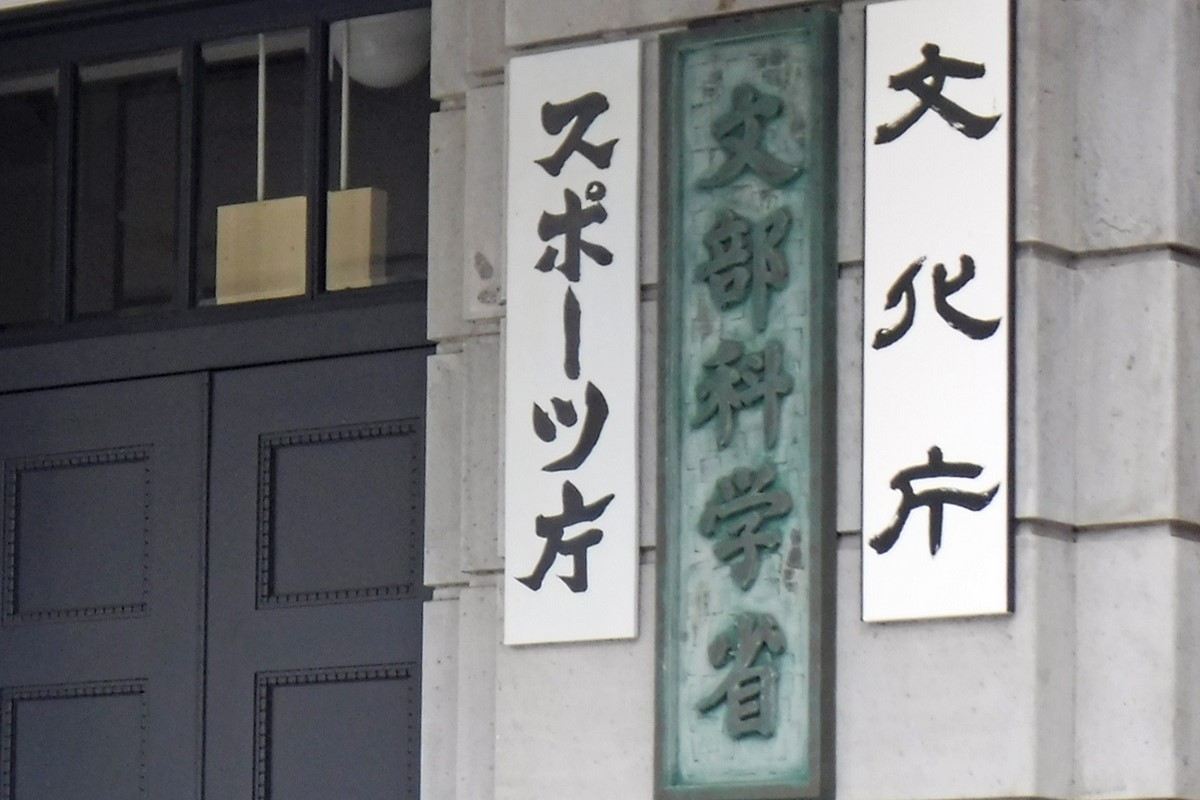
The Education, Culture, Sports, Science and Technology Ministry
1:00 JST, August 10, 2024
The number of students found to need Japanese language instruction in public elementary, junior high and high schools reached a record high of 69,123 in fiscal 2023, according to a survey revealed by the Education, Culture, Sports, Science and Technology Ministry. The number rose by 10,816 students from the previous survey in fiscal 2021, and it has doubled over the past decade. The rise is attributed to the growing number of foreign families moving to Japan, driven by an increasing acceptance of overseas workers due to labor shortages caused by population decline.
The survey covered all-Japan’s 1,788 municipalities nationwide and inquired about the situation as of May 1 of last year. Among students determined by their schools to require Japanese language instruction due to insufficient conversational skills, 57,718 were of foreign nationality, an increase of 10,099 from the previous survey, while 11,405 were of Japanese nationality, an increase of 717. Even some Japanese nationals, having lived abroad for extended periods, lacked sufficient Japanese language skills.
The rate of advancement to high school among junior high school students needing Japanese instruction was 90.3%, nearly 9 percentage points lower than the 99% rate for all junior high students. The dropout rate among these high school students was 8.5%, significantly higher than the 1.1% overall dropout rate for high school students.
In Oizumi, Gunma Prefecture, where many Japanese Brazilians work in manufacturing plants, there has been an increase in residents from countries such as the Philippines, Nepal and Vietnam in recent years. According to the town’s board of education, 649 foreign students were enrolled in elementary and junior high schools as of May 1 this year, accounting for 20% of the total student population. Although schools are using automatic translation devices and hiring interpreters, they are still struggling to meet the demand.
The education ministry is providing financial support for the placement of personnel to assist students needing Japanese instruction, but the town’s board of education has requested that the national and prefectural governments give consideration to additional staffing and further budget expansion.
8,601 foreign children potentially ‘not in school’
The ministry announced Thursday that 8,601 foreign children residing in Japan as of May last year were possibly not attending school. This marks an increase of 418 children compared to the previous survey in the fiscal 2022.
As of May last year, there were 150,695 foreign children registered under the Basic Resident Registration System, which covers children of elementary and junior high school age. Of these, 970 were confirmed to not be attending school.
Additionally, 7,199 children were unreachable, and 432 children, though registered under the Basic Resident Registration System, were not accounted for by local








Most Read
Popular articles in the past 24 hours
-

University of Tsukuba Hospital to Introduce Working Dog Next Year...
-

Record 167 Elementary School Students Harmed Via Social Media in ...
-

Japan’s Hikonyan Cat Mascot to Celebrate 20th Birthday with Party...
-

Nidec Chairman Resigns Amid Accounting Scandal at Major Japanese ...
-

Japan's Kairos Rocket Set to Launch on Sunday After Delays
-

Humbert Humbert: Husband-Wife Vocal Duo Brings Cheerful Singing t...
-

Mizuho to Cut Up to 5,000 Administrative Jobs with AI-Driven Oper...
-

Trump’s Address: Confront the Dead End that Authoritarianism Has ...
Popular articles in the past week
-

Producer Behind Pop Group XG Arrested for Cocaine Possession
-

iPS Treatments Pass Key Milestone, but Broader Applications Far f...
-

Tokyo Skytree's Elevator Stops, Trapping 20 People; All Rescued (...
-

Nepal Bus Crash Kills 19 People, Injures 25 Including One Japanes...
-

Milano Cortina 2026: Japanese Gold Medalist Figure Skater Miura S...
-

Japan’s Major Real Estate Firms Expanding Overseas Businesses to ...
-

Milano Cortina 2026: Japanese Figure Skater Kaori Sakamoto’...
-

Reciprocal Tariffs Ruled Illegal: Judiciary Would Not Tolerate Pr...
Popular articles in the past month
-
Producer Behind Pop Group XG Arrested for Cocaine Possession
-

Japan PM Takaichi’s Cabinet Resigns en Masse
-

Japan Institute to Use Domestic Commercial Optical Lattice Clock ...
-

Man Infected with Measles Reportedly Dined at Restaurant in Tokyo...
-

Israeli Ambassador to Japan Speaks about Japan’s Role in the Reco...
-

Videos Plagiarized, Reposted with False Subtitles Claiming ‘Ryuky...
-

Man Infected with Measles May Have Come in Contact with Many Peop...
-

Prudential Life Insurance Plans to Fully Compensate for Damages C...
Top Articles in Society
-
Producer Behind Pop Group XG Arrested for Cocaine Possession
-
Man Infected with Measles Reportedly Dined at Restaurant in Tokyo Station
-
Man Infected with Measles May Have Come in Contact with Many People in Tokyo, Went to Store, Restaurant Around When Symptoms Emerged
-

Woman with Measles Visited Hospital in Tokyo Multiple Times Before Being Diagnosed with Disease
-
Australian Woman Dies After Mishap on Ski Lift in Nagano Prefecture
JN ACCESS RANKING
-
Producer Behind Pop Group XG Arrested for Cocaine Possession
-
Japan PM Takaichi’s Cabinet Resigns en Masse
-
Man Infected with Measles Reportedly Dined at Restaurant in Tokyo Station
-
Israeli Ambassador to Japan Speaks about Japan’s Role in the Reconstruction of Gaza
-
Videos Plagiarized, Reposted with False Subtitles Claiming ‘Ryukyu Belongs to China’; Anti-China False Information Also Posted in Japan