
Japan Eyes Wider Deportation Criteria in New Policy
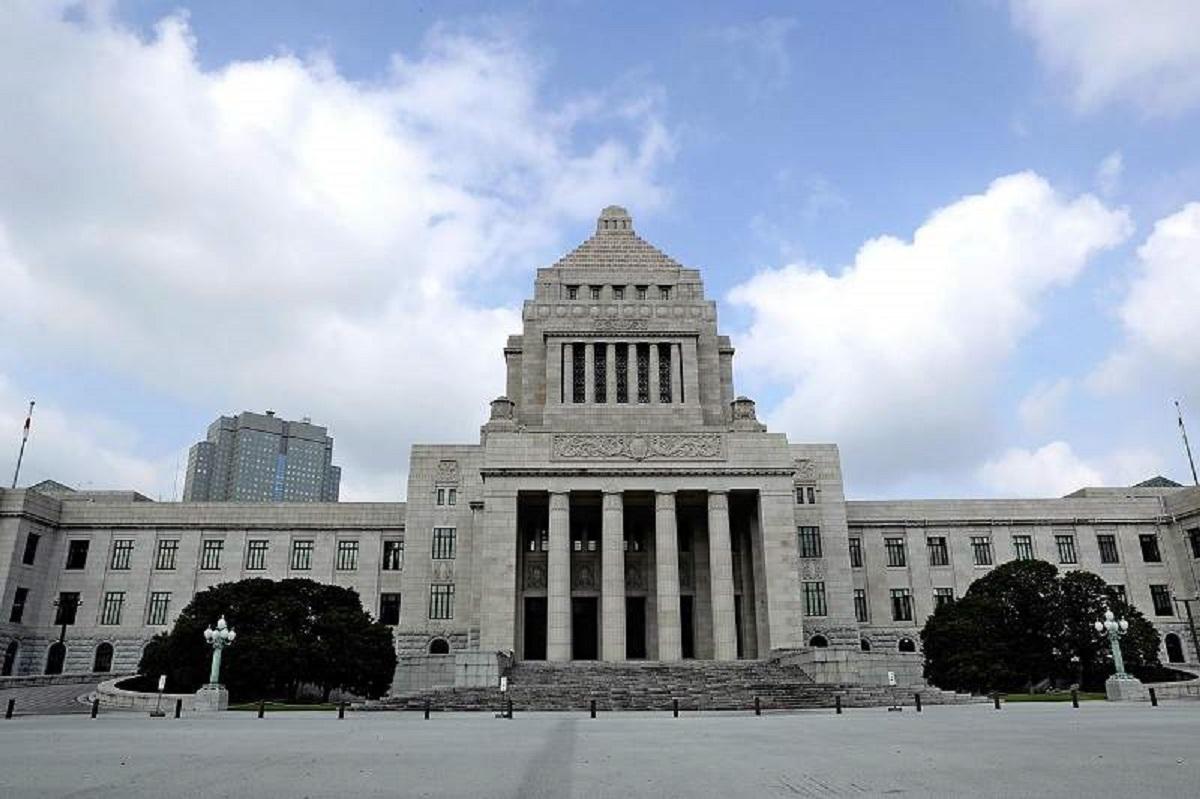
The Diet Building in Chiyoda Ward, Tokyo, Japan.
15:54 JST, January 21, 2026
The government is looking to expand the scope of crimes subject to deportation under its new basic policy on foreign nationals, while continuing to consider restrictions on land acquisition by foreigners.
The draft policy, which was revealed Tuesday and is currently under review, seeks to expand the extent of deportable offenses beyond the current scope of drug crimes and unsuspended sentences lasting one year or longer.
The draft stops short of imposing restrictions on land acquisition by foreigners. Instead, the government plans to set up an expert panel as early as February to continue discussions.
The government is expected to finalize the policy as early as Friday at a meeting of the Ministerial Council on the Acceptance of Foreign Nationals and the Realization of a Society of Well-Ordered and Harmonious Coexistence.
You may also like to read
Advisory Body Calls for Stricter Screening of Foreign Investment in Japanese Companies; Asks Finance Ministry to Cooperate with Intelligence Agencies on ChecksThe aim of the draft policy is to create a society in which “both Japanese and foreign nationals can live safely and securely by balancing ‘order’ and ‘coexistence.’”
In terms of managing foreign nationals’ residency, the government plans to tighten the requirements for obtaining permanent residency and citizenship, while also expanding the scope of crimes subject to deportation.
Currently, deportation does not apply to offenders convicted of such offenses as sex crimes who receive suspended sentences. This has drawn criticism. The draft policy states that the government will outline the future impact in such areas as the social security system, the labor force and public safety as part of efforts to consider limiting the number of foreign residents.
To facilitate accepting foreign nationals, the policy specifies that the central government will establish preschools to teach Japanese and study habits to children before they enter elementary school.
It will also create programs for learning the Japanese language, culture and legal system.
On the issue of land purchases, the government will consider a framework to assess the actual state of groundwater extraction, in response to concerns that foreigners are buying land near water sources and extracting groundwater.
The government decided to postpone a conclusion on restricting speculative transactions by foreigners — a focal point amid soaring housing prices — to carefully examine consistency with international agreements.
A proposal compiled Tuesday by the Liberal Democratic Party’s foreign national policy headquarters called for “developing concrete drafts of new legal rules from the perspective of national security” regarding land acquisition.
The proposal also included a call to consider nationalizing remote islands where ownership is unclear for reasons of national security.


Related Tags




Most Read
Popular articles in the past 24 hours
-

Ukrainian Ambassador Closely Watching Japan’s Revision of Defense...
-

Milano Cortina 2026: Sakamoto Serves as Flag Bearer; Japan Earns ...
-

Milano Cortina 2026: There Were Cheers across the Country, after ...
-
Emperor Turns 66 Ahead of Disaster Milestones
-

Luna Sea Drummer Shinya Dies at 56; Powerful Drummer Behind ‘Desi...
-

Milano Cortina 2026: ‘Magical’ Italian Games Close wi...
-

Milano Cortina 2026: Riku-Ryu Duo Stick Together During Closing C...
-

1.2 Mil. Rapeseed Flowers Attract Cute Birds, People in Aichi Pre...
Popular articles in the past week
-

Japan PM Takaichi’s Cabinet Resigns en Masse
-

Man Infected with Measles Reportedly Dined at Restaurant in Tokyo...
-

Sanae Takaichi Elected Prime Minister of Japan; Keeps All Cabinet...
-

Japan's Govt to Submit Road Map for Growth Strategy in March, PM ...
-

Bus Carrying 40 Passengers Catches Fire on Chuo Expressway; All E...
-

Milano Cortina 2026: Figure Skaters Riku Miura, Ryuichi Kihara Pa...
-

U.S. Firm to Build Training Hub in Fukushima N-plant for Debris R...
-

Japan, U.S. Name 3 Inaugural Investment Projects; Reached Agreeme...
Popular articles in the past month
-
Japan PM Takaichi’s Cabinet Resigns en Masse
-

Japan Institute to Use Domestic Commercial Optical Lattice Clock ...
-

Israeli Ambassador to Japan Speaks about Japan’s Role in the Reco...
-
Man Infected with Measles Reportedly Dined at Restaurant in Tokyo...
-

Videos Plagiarized, Reposted with False Subtitles Claiming ‘Ryuky...
-

Man Infected with Measles May Have Come in Contact with Many Peop...
-

Prudential Life Insurance Plans to Fully Compensate for Damages C...
-

Woman with Measles Visited Hospital in Tokyo Multiple Times Befor...
Top Articles in Politics
-
Japan PM Takaichi’s Cabinet Resigns en Masse
-
Sanae Takaichi Elected Prime Minister of Japan; Keeps All Cabinet Appointees from Previous Term
-
Japan’s Govt to Submit Road Map for Growth Strategy in March, PM Takaichi to Announce in Upcoming Policy Speech
-

LDP Wins Historic Landslide Victory
-

LDP Wins Landslide Victory, Secures Single-party Majority; Ruling Coalition with JIP Poised to Secure Over 300 seats (UPDATE 1)
JN ACCESS RANKING
-
Japan PM Takaichi’s Cabinet Resigns en Masse
-
Japan Institute to Use Domestic Commercial Optical Lattice Clock to Set Japan Standard Time
-
Israeli Ambassador to Japan Speaks about Japan’s Role in the Reconstruction of Gaza
-
Man Infected with Measles Reportedly Dined at Restaurant in Tokyo Station
-
Videos Plagiarized, Reposted with False Subtitles Claiming ‘Ryukyu Belongs to China’; Anti-China False Information Also Posted in Japan