
Japan’s Competition Regulator Says Tech Giants’ Integration of Own Generative AI into Services Could Violate Antimonopoly Law
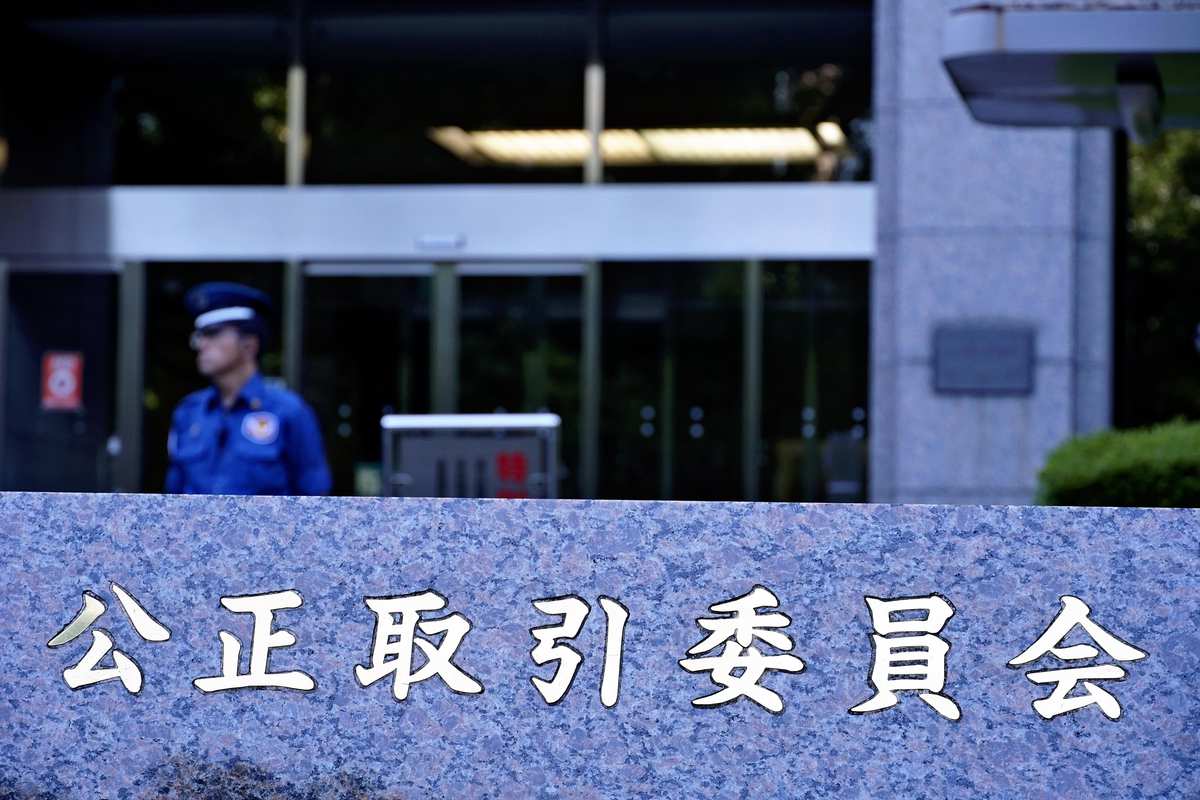
The Japan Fair Trade Commission head office in Chiyoda Ward, Tokyo
15:30 JST, June 7, 2025
The Japan Fair Trade Commission stated that tech giants integrating their own generative AI into their existing products with the intent to interfere with rival companies’ business, this could constitute “tie-in sales” or “private monopolization” in violation of the Antimonopoly Law, in a report on its investigation into the generative AI market published Friday.
There is a trend in the digital market for Big Tech companies, particularly Google, Apple, Facebook (now Meta), Amazon and Microsoft, to integrate their own generative AI services into their products. For example, Google search results include AI-generated summaries, while Microsoft has incorporated generative AI into office software like Word to assist with writing documents.
According to the report, competing AI development companies expressed concerns to the JFTC that dominant firms could gain an advantage in the distribution of generative AI by integrating generative AI products into existing digital services and that it would become difficult to have users adopt latecomer firms’ generative AI products.
The JFTC noted that the integration of generative AI products into existing services by tech giants and other companies is a “method of technological innovations and such an act itself is not immediately problematic under the Antimonopoly Law.” However, the commission also argued that if the purpose is to hinder competitors’ businesses or raise barriers to entry, there is a risk of violating the law.
Regarding the integration of generative AI on smartphones, related companies have expressed concerns. One company said “restricting access to the software necessary to run our generative AI will cause a competitive disadvantage.”
As Google and Apple have a monopoly on the the basic software for smartphones, the commission expressed the view that such access restrictions could also constitute “interference with a competitor’s transactions” in violation of the Antimonopoly Law.
This is the first edition of the report, and the JFTC plans to continue to watch the situation and publish follow up reports as needed.







Most Read
Popular articles in the past 24 hours
-

Japan’s Major Real Estate Firms Expanding Overseas Businesses to ...
-

Ukrainian Ambassador Closely Watching Japan’s Revision of Defense...
-

Milano Cortina 2026: Sakamoto Serves as Flag Bearer; Japan Earns ...
-
Emperor Turns 66 Ahead of Disaster Milestones
-

Milano Cortina 2026: There Were Cheers across the Country, after ...
-

Luna Sea Drummer Shinya Dies at 56; Powerful Drummer Behind ‘Desi...
-

Milano Cortina 2026: Riku-Ryu Duo Stick Together During Closing C...
-

Milano Cortina 2026: ‘Magical’ Italian Games Close wi...
Popular articles in the past week
-

Japan PM Takaichi’s Cabinet Resigns en Masse
-

Man Infected with Measles Reportedly Dined at Restaurant in Tokyo...
-

Sanae Takaichi Elected Prime Minister of Japan; Keeps All Cabinet...
-

Japan's Govt to Submit Road Map for Growth Strategy in March, PM ...
-

Bus Carrying 40 Passengers Catches Fire on Chuo Expressway; All E...
-

Milano Cortina 2026: Figure Skaters Riku Miura, Ryuichi Kihara Pa...
-

Japan, U.S. Name 3 Inaugural Investment Projects; Reached Agreeme...
-

U.S. Firm to Build Training Hub in Fukushima N-plant for Debris R...
Popular articles in the past month
-
Japan PM Takaichi’s Cabinet Resigns en Masse
-

Japan Institute to Use Domestic Commercial Optical Lattice Clock ...
-

Israeli Ambassador to Japan Speaks about Japan’s Role in the Reco...
-
Man Infected with Measles Reportedly Dined at Restaurant in Tokyo...
-

Videos Plagiarized, Reposted with False Subtitles Claiming ‘Ryuky...
-

Man Infected with Measles May Have Come in Contact with Many Peop...
-

Prudential Life Insurance Plans to Fully Compensate for Damages C...
-

Woman with Measles Visited Hospital in Tokyo Multiple Times Befor...
Top Articles in Politics
-
Japan PM Takaichi’s Cabinet Resigns en Masse
-
Sanae Takaichi Elected Prime Minister of Japan; Keeps All Cabinet Appointees from Previous Term
-
Japan’s Govt to Submit Road Map for Growth Strategy in March, PM Takaichi to Announce in Upcoming Policy Speech
-

LDP Wins Historic Landslide Victory
-

LDP Wins Landslide Victory, Secures Single-party Majority; Ruling Coalition with JIP Poised to Secure Over 300 seats (UPDATE 1)
JN ACCESS RANKING
-
Japan PM Takaichi’s Cabinet Resigns en Masse
-
Japan Institute to Use Domestic Commercial Optical Lattice Clock to Set Japan Standard Time
-
Israeli Ambassador to Japan Speaks about Japan’s Role in the Reconstruction of Gaza
-
Man Infected with Measles Reportedly Dined at Restaurant in Tokyo Station
-
Videos Plagiarized, Reposted with False Subtitles Claiming ‘Ryukyu Belongs to China’; Anti-China False Information Also Posted in Japan