
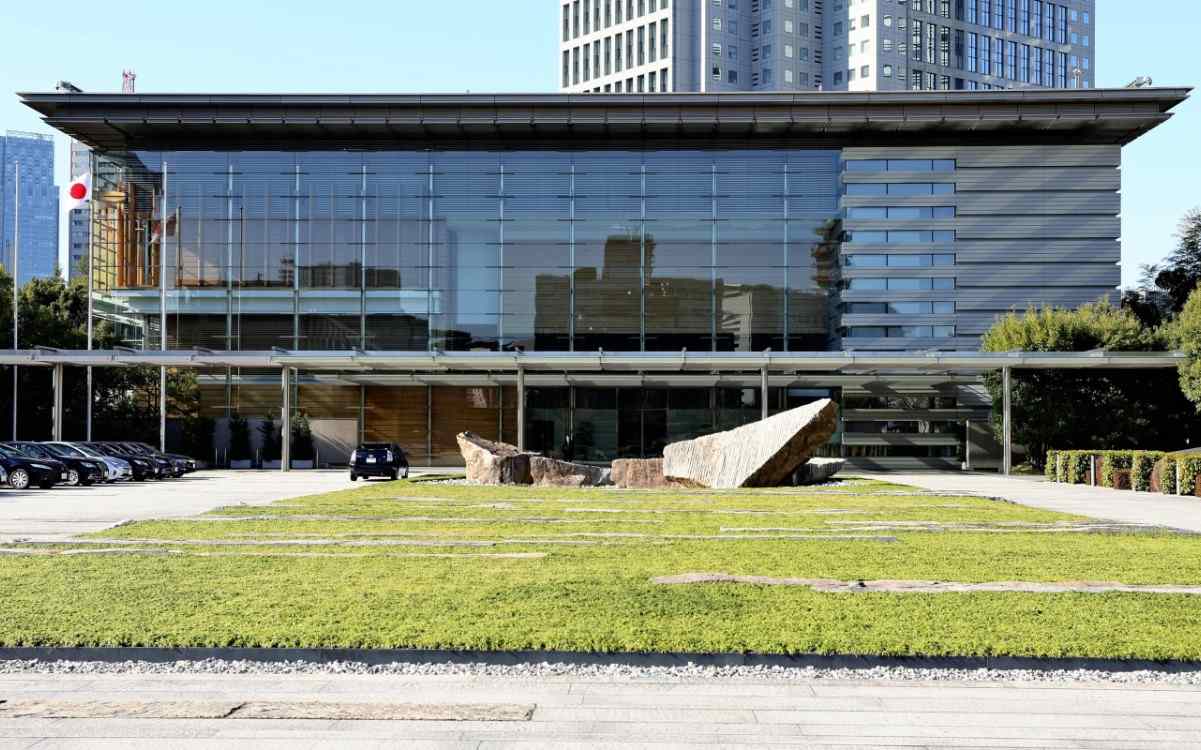
Prime Minister’s Office
16:09 JST, April 25, 2025
The government is considering a plan to increase imports of U.S.-grown corn as a possible card to play in upcoming tariff negotiations with the United States, The Yomiuri Shimbun has learned.
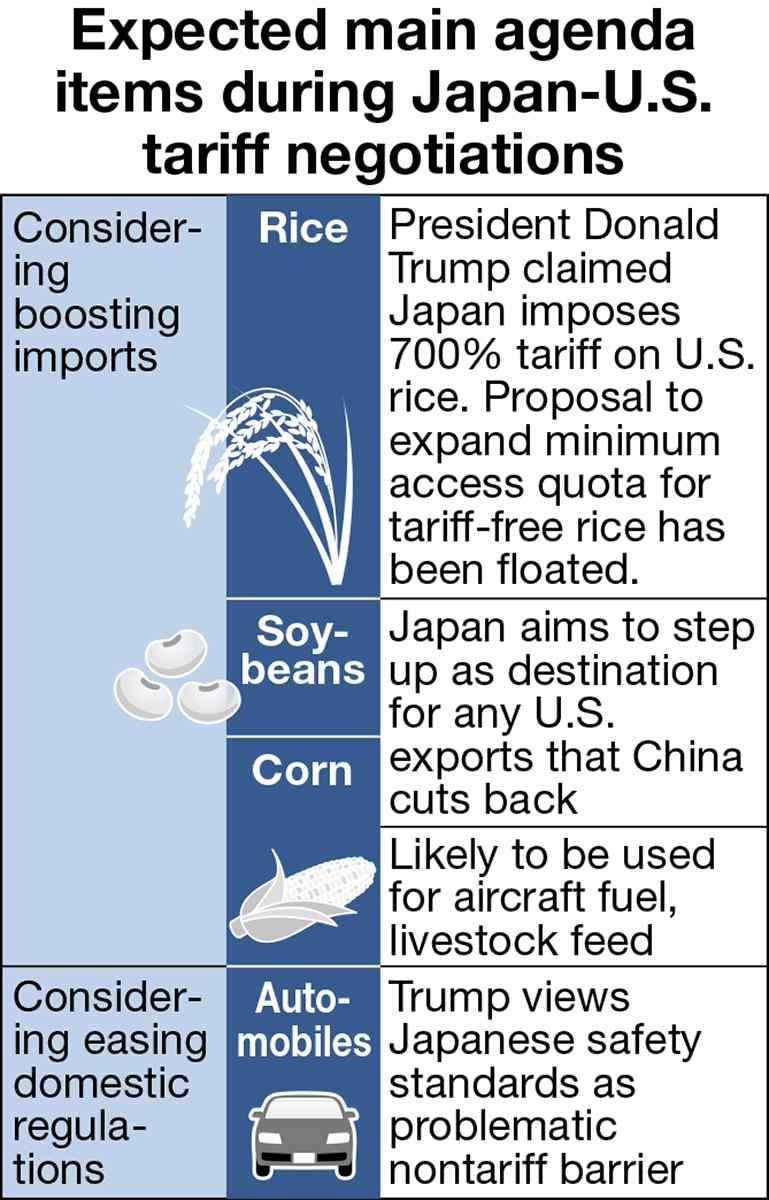
The government anticipates this corn could be used for next-generation sustainable aviation fuel and livestock feed, according to multiple government sources.
Economic revitalization minister Ryosei Akazawa will visit the United States from April 30 to May 2 for ministerial-level talks with U.S. Treasury Secretary Scott Bessent and other officials. Tariff negotiations are expected to get into full swing at these meetings.
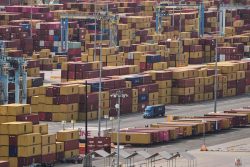
The United States is Japan’s biggest supplier of corn. In 2024, Japan imported about 11.5 million tons of the grain (worth about ¥459 billion) from the United States. No tariffs are applied to corn for livestock feed.
Prime Minister Shigeru Ishiba had secretly instructed relevant government ministries and agencies to examine demand in the domestic market for corn for animal consumption. The use of imported corn for sustainable aviation fuel appears to reflect consideration of U.S. expectations that this could be a way to boost their corn exports, according to the sources.
The United States is the world’s largest corn exporter and has even shipped its corn to China, which has imposed tariffs. The government is considering increasing imports of U.S. soybeans, a large proportion of which had been exported to China. In a similar vein, the government is toying with the idea of sounding out the United States about buying corn exports that had originally been destined for China, as the amount going to China is expected to decline due to tariffs.
In negotiations for a Japan-U.S. trade agreement conducted during U.S. President Donald Trump’s first administration, then Prime Minister Shinzo Abe accepted Trump’s demand and promised to boost imports of U.S. corn. This move prevented additional U.S. tariffs being slapped on Japanese cars.
In a recent social media post, Trump cited Japanese vehicle safety standards as a major nontariff barrier. Based on this, Ishiba told the Land, Infrastructure, Transport and Tourism Ministry to examine whether there was any room for revising this situation. Ishiba plans to carefully think over this issue while continuing to consider the impact any changes could have on vehicle safety.
The government’s Comprehensive Response Headquarters for U.S. Tariff Measures was to hold a meeting Friday. All Cabinet ministers were to attend this meeting and closely examine bargaining chips for the negotiations. Given the ongoing rice shortage in Japan, boosting imports of this staple is shaping up as a powerful card.
The government’s top priority is convincing the United States to rethink the tariffs imposed on automobiles. Akazawa will likely present a package of negotiation items during his second round of talks with Bessent and other U.S. officials, and push for a response from the U.S. side.
“We’ll put items of great interest to both sides on the table and then discuss them,” Akazawa said to reporters Thursday.



Most Read
Popular articles in the past 24 hours
-

Ukrainian Ambassador Closely Watching Japan’s Revision of Defense...
-

Milano Cortina 2026: Sakamoto Serves as Flag Bearer; Japan Earns ...
-

Milano Cortina 2026: There Were Cheers across the Country, after ...
-
Emperor Turns 66 Ahead of Disaster Milestones
-
Luna Sea Drummer Shinya Dies at 56; Powerful Drummer Behind ‘Desi...
-

Milano Cortina 2026: ‘Magical’ Italian Games Close wi...
-

Milano Cortina 2026: Riku-Ryu Duo Stick Together During Closing C...
-

1.2 Mil. Rapeseed Flowers Attract Cute Birds, People in Aichi Pre...
Popular articles in the past week
-

Japan PM Takaichi’s Cabinet Resigns en Masse
-

Man Infected with Measles Reportedly Dined at Restaurant in Tokyo...
-

Sanae Takaichi Elected Prime Minister of Japan; Keeps All Cabinet...
-

Japan's Govt to Submit Road Map for Growth Strategy in March, PM ...
-

Bus Carrying 40 Passengers Catches Fire on Chuo Expressway; All E...
-

Milano Cortina 2026: Figure Skaters Riku Miura, Ryuichi Kihara Pa...
-
U.S. Firm to Build Training Hub in Fukushima N-plant for Debris R...
-

Japan, U.S. Name 3 Inaugural Investment Projects; Reached Agreeme...
Popular articles in the past month
-
Japan PM Takaichi’s Cabinet Resigns en Masse
-

Japan Institute to Use Domestic Commercial Optical Lattice Clock ...
-

Israeli Ambassador to Japan Speaks about Japan’s Role in the Reco...
-
Man Infected with Measles Reportedly Dined at Restaurant in Tokyo...
-

Videos Plagiarized, Reposted with False Subtitles Claiming ‘Ryuky...
-

Man Infected with Measles May Have Come in Contact with Many Peop...
-

Prudential Life Insurance Plans to Fully Compensate for Damages C...
-

Woman with Measles Visited Hospital in Tokyo Multiple Times Befor...
Top Articles in Politics
-
Japan PM Takaichi’s Cabinet Resigns en Masse
-
Sanae Takaichi Elected Prime Minister of Japan; Keeps All Cabinet Appointees from Previous Term
-
Japan’s Govt to Submit Road Map for Growth Strategy in March, PM Takaichi to Announce in Upcoming Policy Speech
-

LDP Wins Historic Landslide Victory
-

LDP Wins Landslide Victory, Secures Single-party Majority; Ruling Coalition with JIP Poised to Secure Over 300 seats (UPDATE 1)
JN ACCESS RANKING
-
Japan PM Takaichi’s Cabinet Resigns en Masse
-
Japan Institute to Use Domestic Commercial Optical Lattice Clock to Set Japan Standard Time
-
Israeli Ambassador to Japan Speaks about Japan’s Role in the Reconstruction of Gaza
-
Man Infected with Measles Reportedly Dined at Restaurant in Tokyo Station
-
Videos Plagiarized, Reposted with False Subtitles Claiming ‘Ryukyu Belongs to China’; Anti-China False Information Also Posted in Japan