
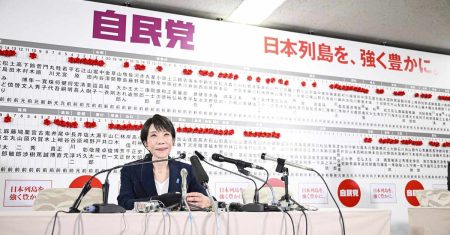
Prime Minister Sanae Takaichi is seen at the Liberal Democratic Party’s headquarters in Tokyo on Sunday.
13:57 JST, February 10, 2026
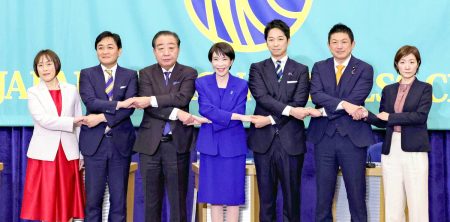
Party leaders attend a debate in Tokyo on Jan. 26.
The House of Representatives election ended in a landslide for Prime Minister Sanae Takaichi on Sunday, fueled by a wave of momentum that has become known as the “Takaichi whirlwind.”
Takaichi delivered a historic victory to the Liberal Democratic Party, of which she is the leader, and significantly reshaped power dynamics in the lower house.
Both newcomers and former lawmakers secured victories for the LDP in single-seat constituencies. On the other hand, the opposition Centrist Reform Alliance, which formed shortly before campaigning officially began, suffered a crushing defeat, with heavyweight candidates losing their seats.
While the Japan Innovation Party and the Democratic Party for the People faced uphill battles in some races, Sanseito expanded its support in the proportional representation segment and increased its seats. Meanwhile, Team Mirai made significant gains by securing its first seats in the lower house.
-
The Yomiuri Shimbun
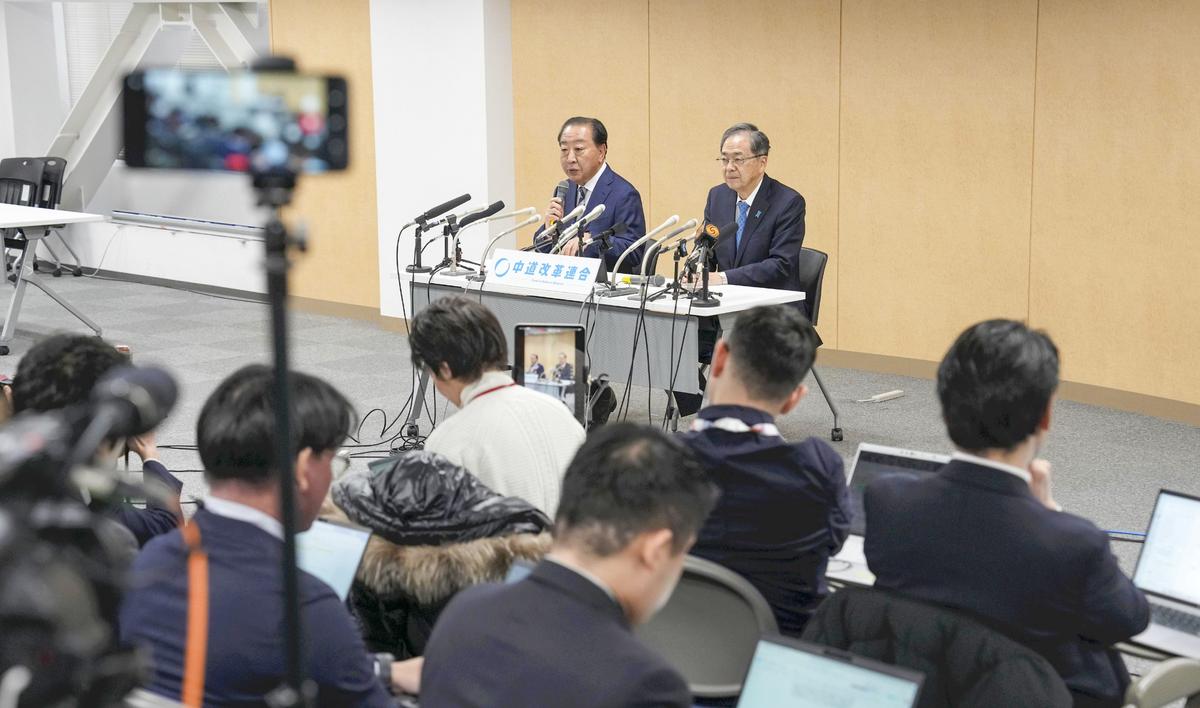
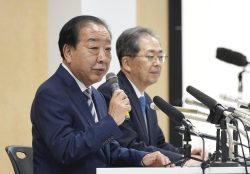
Centrist Reform Alliance coleaders Yoshihiko Noda, left, and Tetsuo Saito hold a press conference in Tokyo on Monday. -
The Yomiuri Shimbun
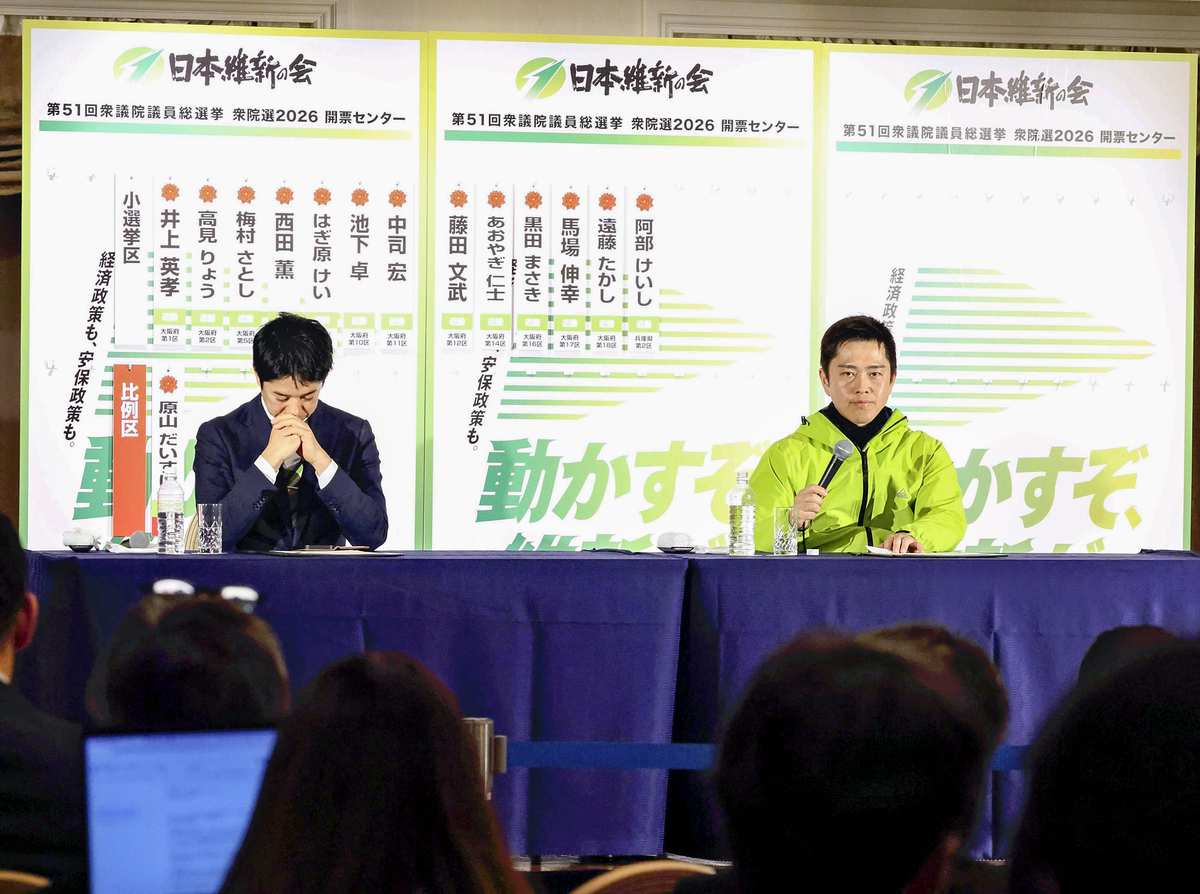
Japan Innovation Party leader Hirofumi Yoshimura, right, and coleader Fumitake Fujita hold a press conference in Osaka on Sunday. -
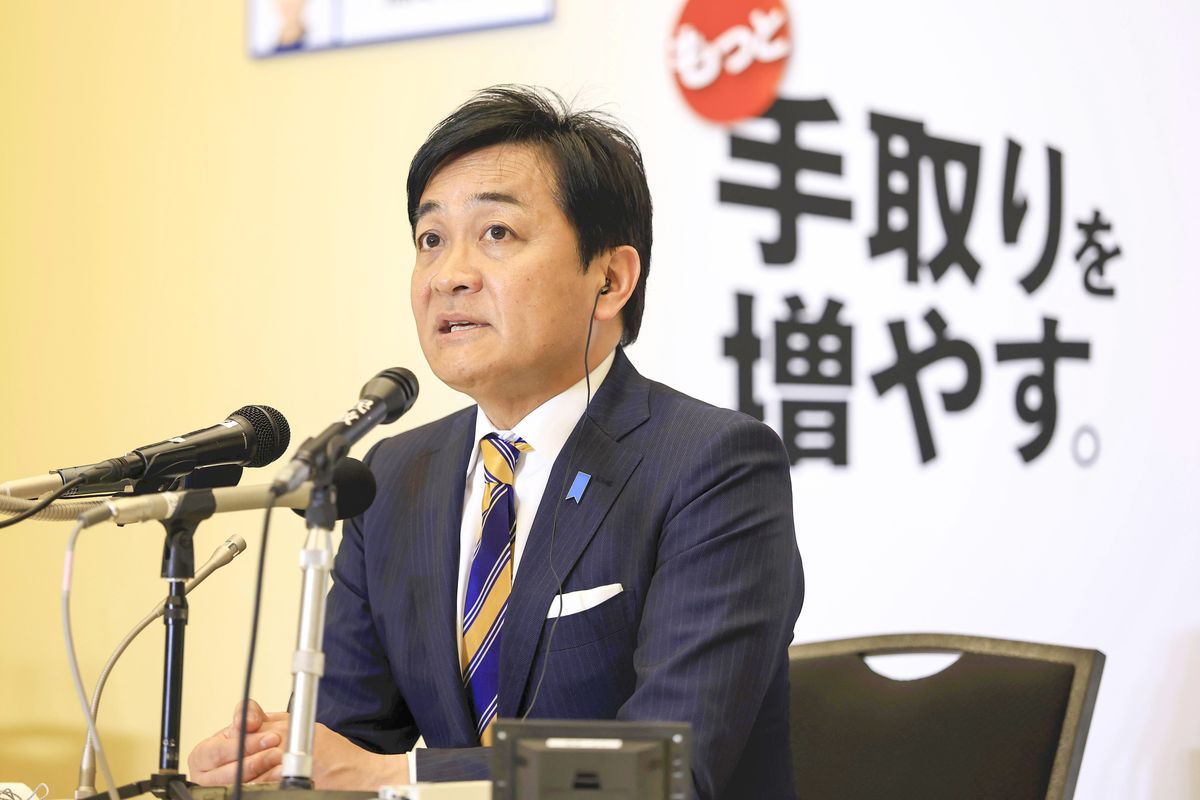
The Yomiuri Shimbun
Democratic Party for the People leader Yuichiro Tamaki speaks to reporters in Tokyo on Sunday. -
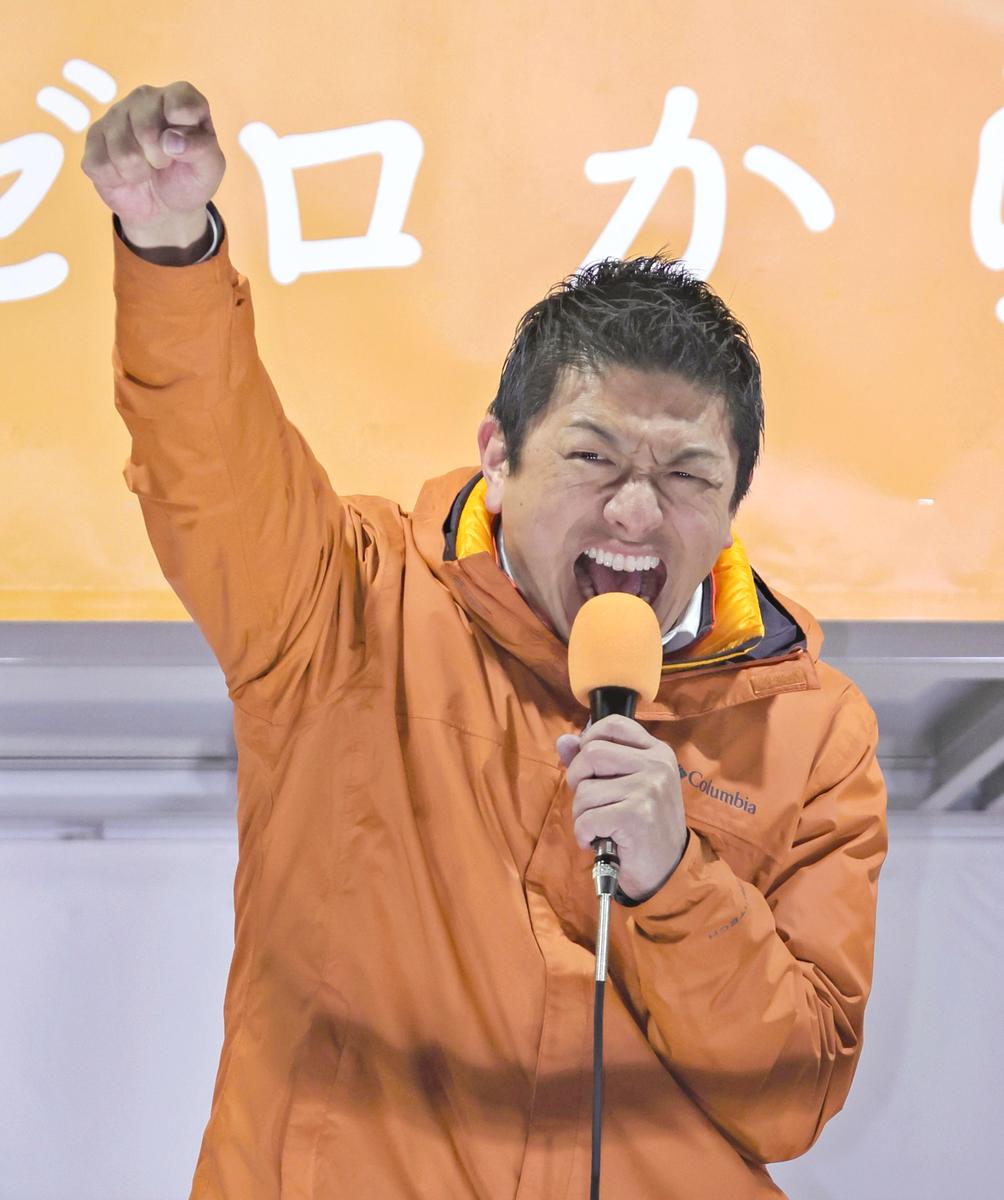
The Yomiuri Shimbun
Sanseito leader Sohei Kamiya speaks at a rally on the final day of the election campaign in Tokyo on Saturday. -
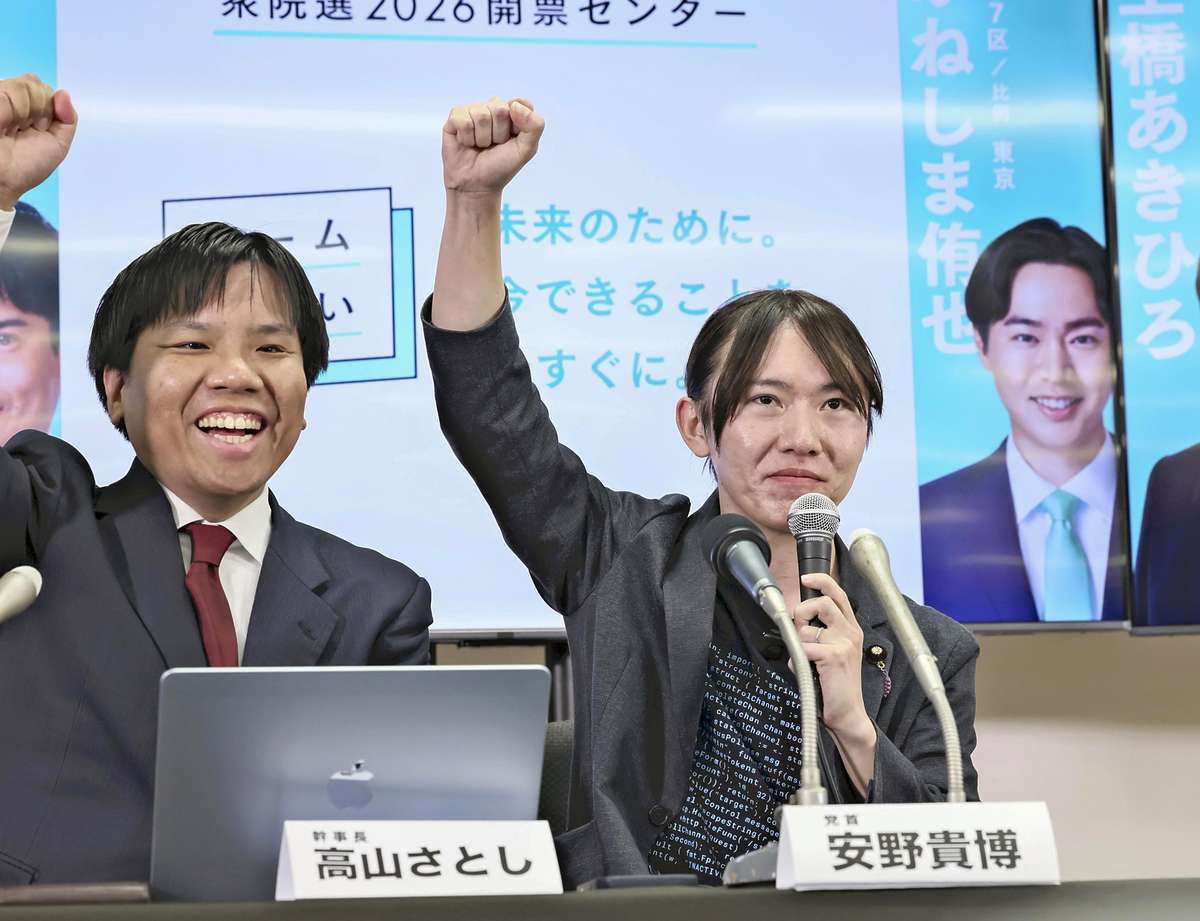
The Yomiuri Shimbun
Team Mirai leader Takahiro Anno, right, raises his fist upon hearing the results of an early vote count in Tokyo on Sunday. -
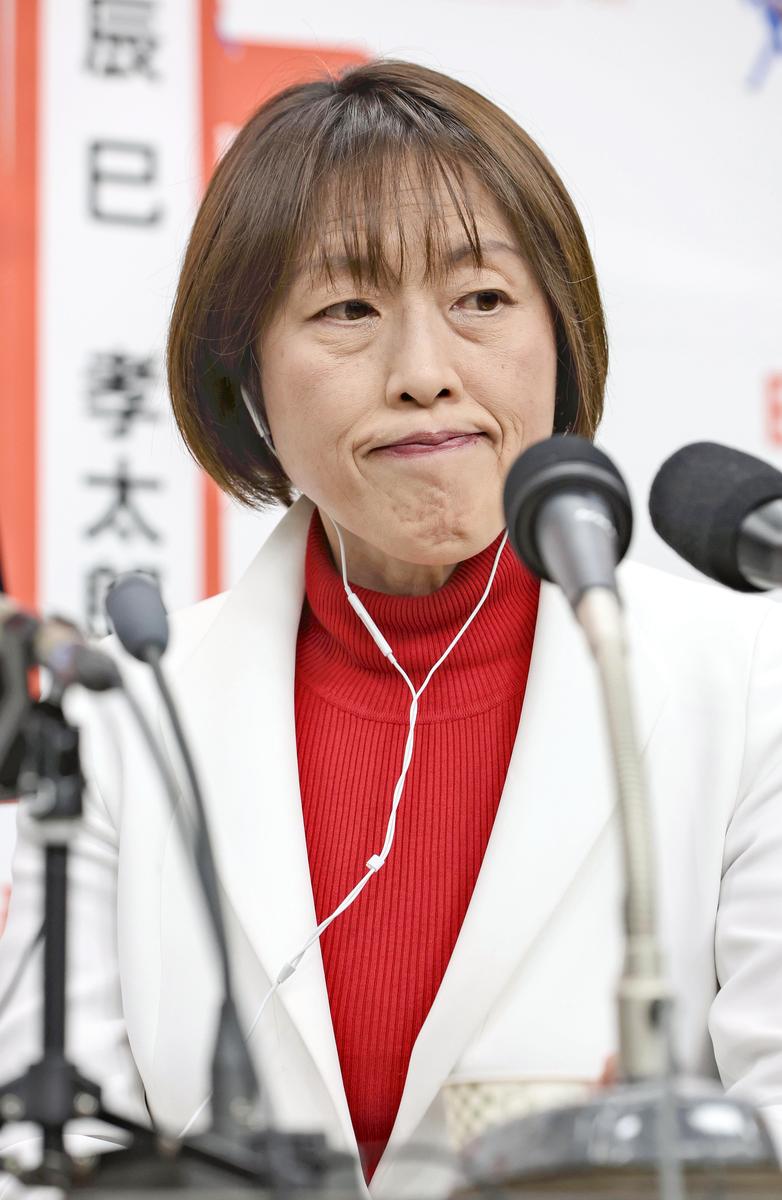
The Yomiuri Shimbun
Japanese Communist Party leader Tomoko Tamura looks downcast after hearing early election results in Tokyo on Sunday.
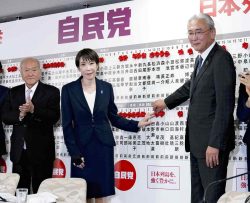
Takaichi appeared at the LDP’s headquarters in Chiyoda Ward, Tokyo, at around 9:40 p.m. on Sunday. She placed red roses next to the names of LDP candidates who had secured a victory.
“We sought the people’s mandate while advocating for policies that faced significant opposition, including a major shift in economic and fiscal policy and strengthening security policy,” Takaichi said in a TV interview. “We must tackle these issues with all our might.” She also addressed “politics and money” issues involving LDP members, saying, “We have reflected on this deeply and will ensure strict compliance with the law.”
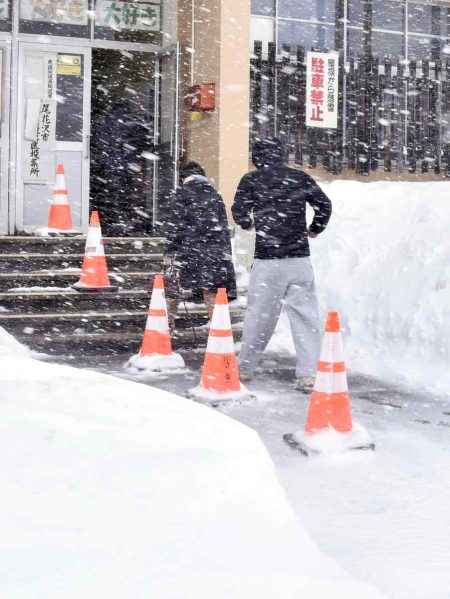
People head to a polling station during a blizzard in Obanazawa, Yamagata Prefecture, on Sunday.
Takaichi showed unwavering resolve in the latest poll, the first for the ruling coalition of the LDP and the JIP. She set a goal for the bloc to secure 233 seats, a majority in the lower house, and declared she would resign as prime minister if that target was not met.
The election campaign unfolded in the dead of winter due to the prime minister’s decision to dissolve the lower house at the start of the regular session in January. In the interview, Takaichi bowed her head and expressed gratitude, saying, “I’m thankful to everyone who braved the snow to get to the polls, and to the election commissions across the country who worked hard to ensure voting proceeded smoothly.”





Most Read
Popular articles in the past 24 hours
-
Seeking Nuclear Waste Site, Japan Eyes Remote Island of Minami-To...
-

Total Lunar Eclipse Visible for Some in Japan, While Clouds Block...
-
Japan Ministry Asks to Conduct Nuclear Waste Disposal-related Sur...
-

WBC to Begin: All the Pieces are in Place for Japan’s Second Stra...
-

Milano Cortina 2026: Ceremony for Winter Paralympic Torch Relay T...
-

Tokyo High Court Upholds Unification Church Dissolution Order; Li...
-

How Trump Assassination Attempts Played into His Decision to Atta...
-

CARTOON OF THE DAY (March 4)
Popular articles in the past week
-
Tokyo Spends Big on Children, Wins Over Parents
-
Japan’s Miura, Kihara Announce Withdrawal from Figure Skating Wor...
-

South Korea Tightens Rules on Foreigners Buying Homes in Seoul Me...
-
BOJ Keeping Eye on Economy and Takaichi's ‘Proactive Fiscal Polic...
-
Tokyo Measles Patient Traveled to Fukuoka Aboard JAL Planes; Susp...
-
Nidec Chairman Resigns Amid Accounting Scandal at Major Japanese ...
-

Strait of Hormuz Closure Shakes Markets; Prolonged Closure Could ...
-
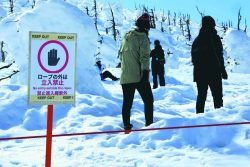
Tourists Ignore Safety Barriers Near Famous Zao ‘Snow Monsters’ i...
Popular articles in the past month
-

Producer Behind Pop Group XG Arrested for Cocaine Possession
-

Japan PM Takaichi’s Cabinet Resigns en Masse
-

Man Infected with Measles Reportedly Dined at Restaurant in Tokyo...
-

Israeli Ambassador to Japan Speaks about Japan’s Role in the Reco...
-

Videos Plagiarized, Reposted with False Subtitles Claiming ‘Ryuky...
-

Prudential Life Insurance Plans to Fully Compensate for Damages C...
-

Woman with Measles Visited Hospital in Tokyo Multiple Times Befor...
-

iPS Treatments Pass Key Milestone, but Broader Applications Far f...
Top Articles in Politics
-
Japan PM Takaichi’s Cabinet Resigns en Masse
-

Sanae Takaichi Elected Prime Minister of Japan; Keeps All Cabinet Appointees from Previous Term
-

Japan’s Govt to Submit Road Map for Growth Strategy in March, PM Takaichi to Announce in Upcoming Policy Speech
-

LDP Wins Landslide Victory, Secures Single-party Majority; Ruling Coalition with JIP Poised to Secure Over 300 seats (UPDATE 1)
-

LDP Wins Historic Landslide Victory
JN ACCESS RANKING
-
Producer Behind Pop Group XG Arrested for Cocaine Possession
-
Japan PM Takaichi’s Cabinet Resigns en Masse
-
Man Infected with Measles Reportedly Dined at Restaurant in Tokyo Station
-
Israeli Ambassador to Japan Speaks about Japan’s Role in the Reconstruction of Gaza
-
Videos Plagiarized, Reposted with False Subtitles Claiming ‘Ryukyu Belongs to China’; Anti-China False Information Also Posted in Japan