
Noodle Dining Shunsai / Rich Oyster Ramen to Savor at Odasaga; Experienced 68-year-old Owner Creates Numerous Ramen Varieties
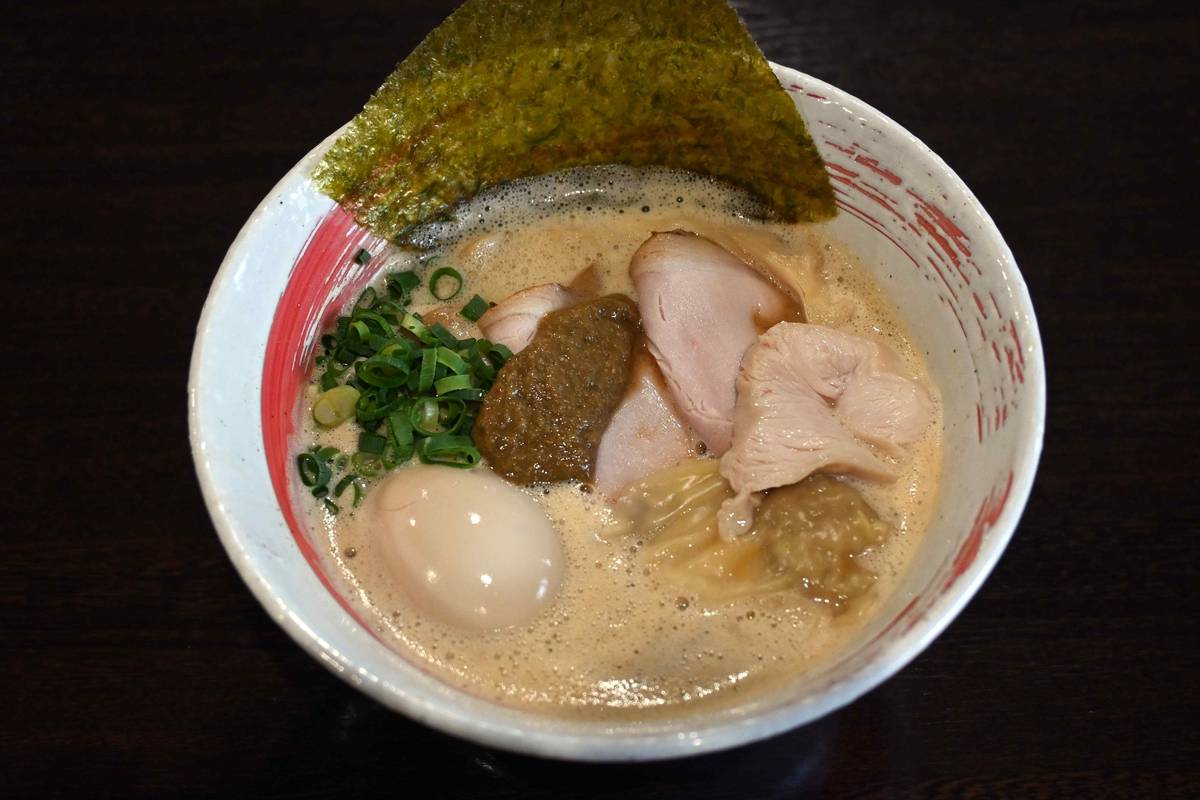
Oyster ramen featuring Hiroshima oysters for a rich, savory flavor. Includes special toppings.
18:21 JST, November 27, 2025
Odakyu Sagamihara Station in Kanagawa Prefecture is affectionately called “Odasaga” by locals. In the residential area north of the station, opposite the commercial district in the south, stands the distinctive ramen shop “Noodle Dining Shunsai.” Owner Yasunori Okamoto, 68, who has experience with both Japanese and Italian cuisine, serves a variety of unique ramen centered around seafood. Intrigued by his seasonal oyster ramen, I visited the shop.
-
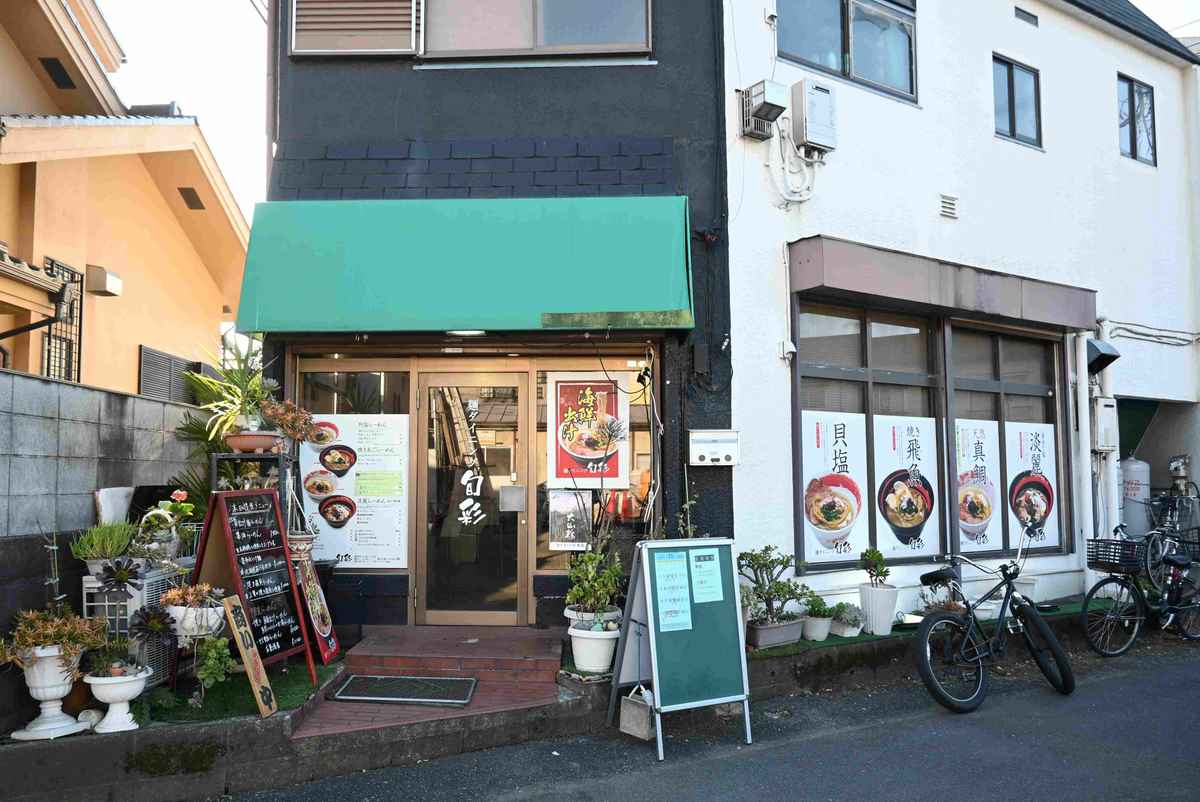
Located in a residential area, the shop’s exterior stands out.
-
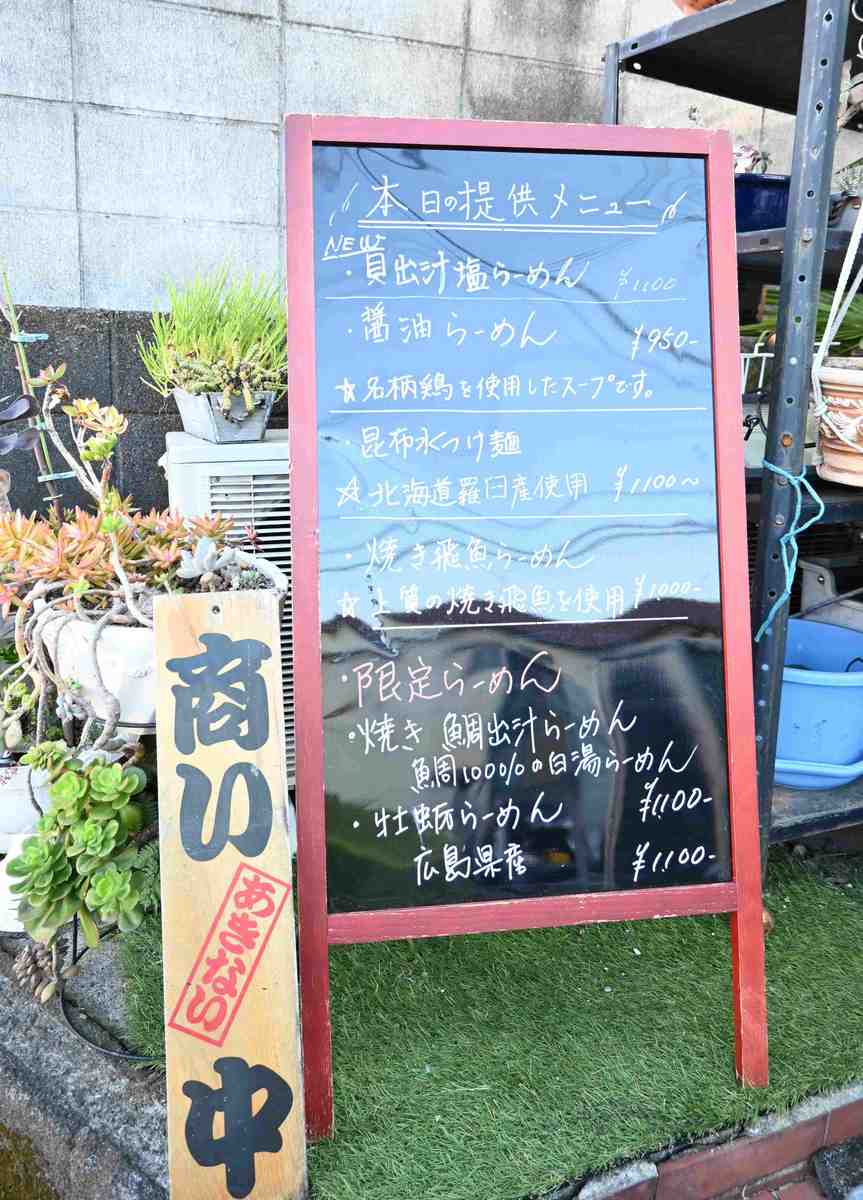
Today’s menu as written on the signboard
-
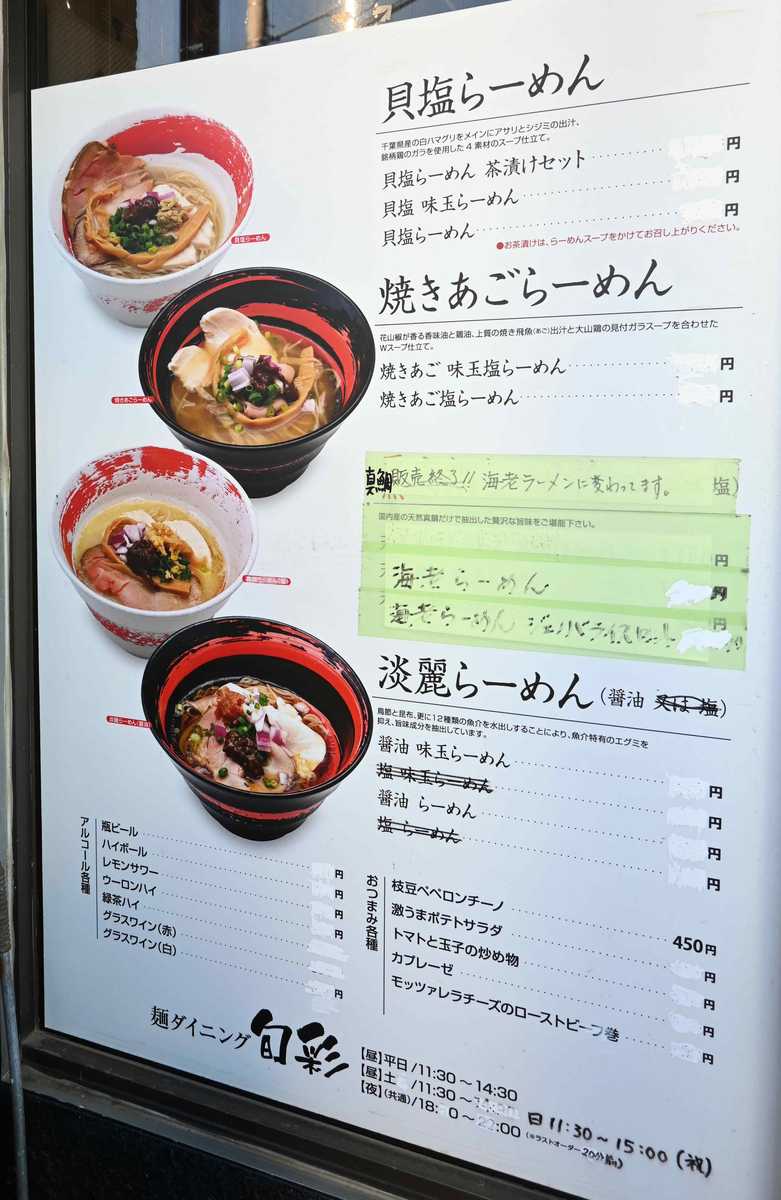
The menu displayed next to the entrance
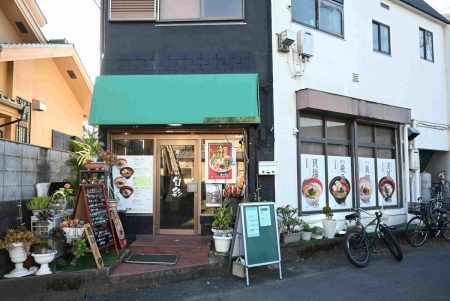
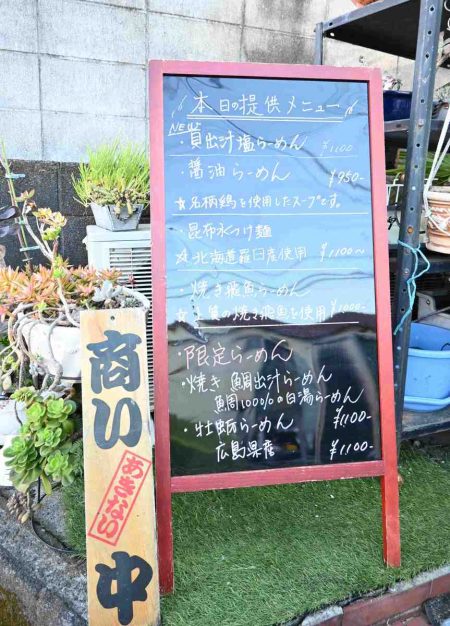
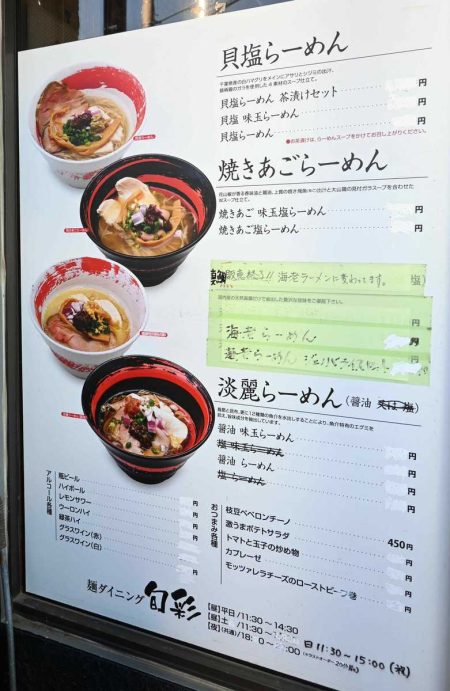
“Shellfish salt,” “Grilled flying fish,” “Wild sea bream,” “Light and refreshing shoyu.” Four large poster-sized ramen menus with photos are placed boldly on the shop’s exterior glass windows. Beside the entrance stands a sign listing the day’s offerings, including limited-time items. It probably needs to be this conspicuous. Otherwise, you’d just walk right by in a residential area.
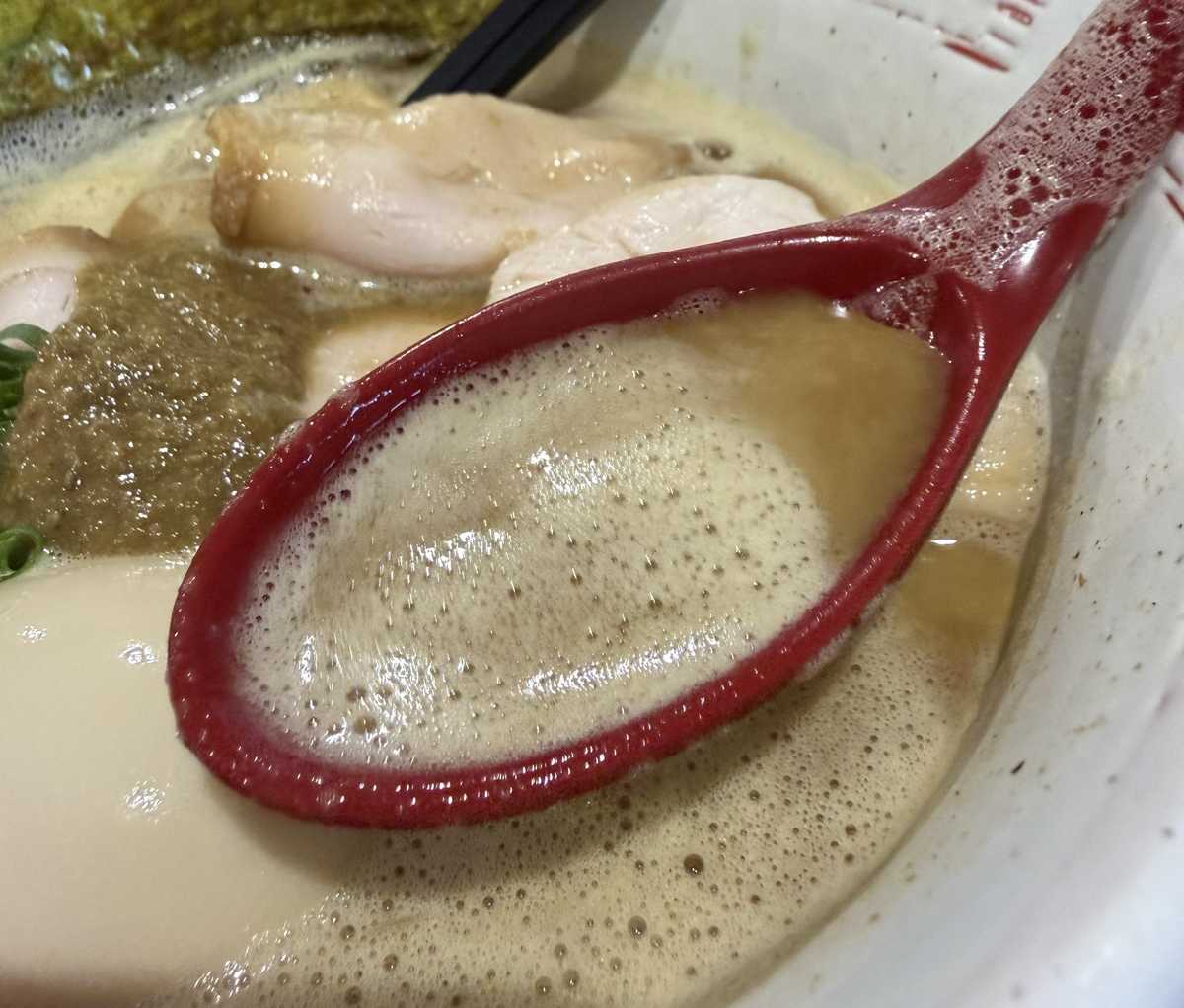
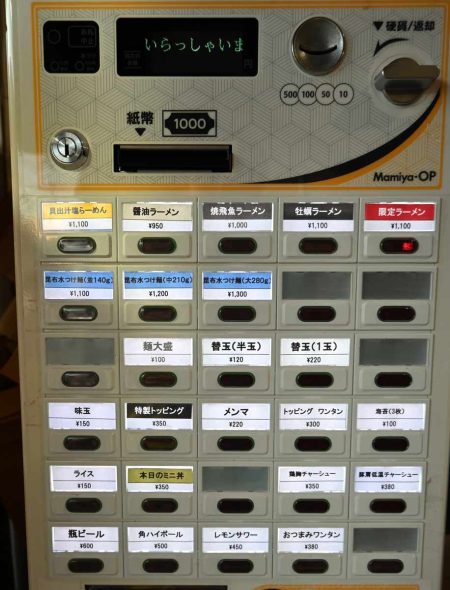
Upon entering the shop, I found the ticket machine immediately to my left and purchased the oyster ramen for ¥1,100 and the special topping for ¥350. The oyster ramen, made exclusively with Hiroshima oysters, was prepared fresh. The first thing that surprised me was the steam wafting with the rich aroma of oysters. Taking a sip of the soup, which had been whisked with a blender, the rich flavor and aroma of the sea’s milk—nothing but oysters—spread across my palate. It was deep, yet not overly thick. I ate the soup in quick succession, two sips, then three.
-
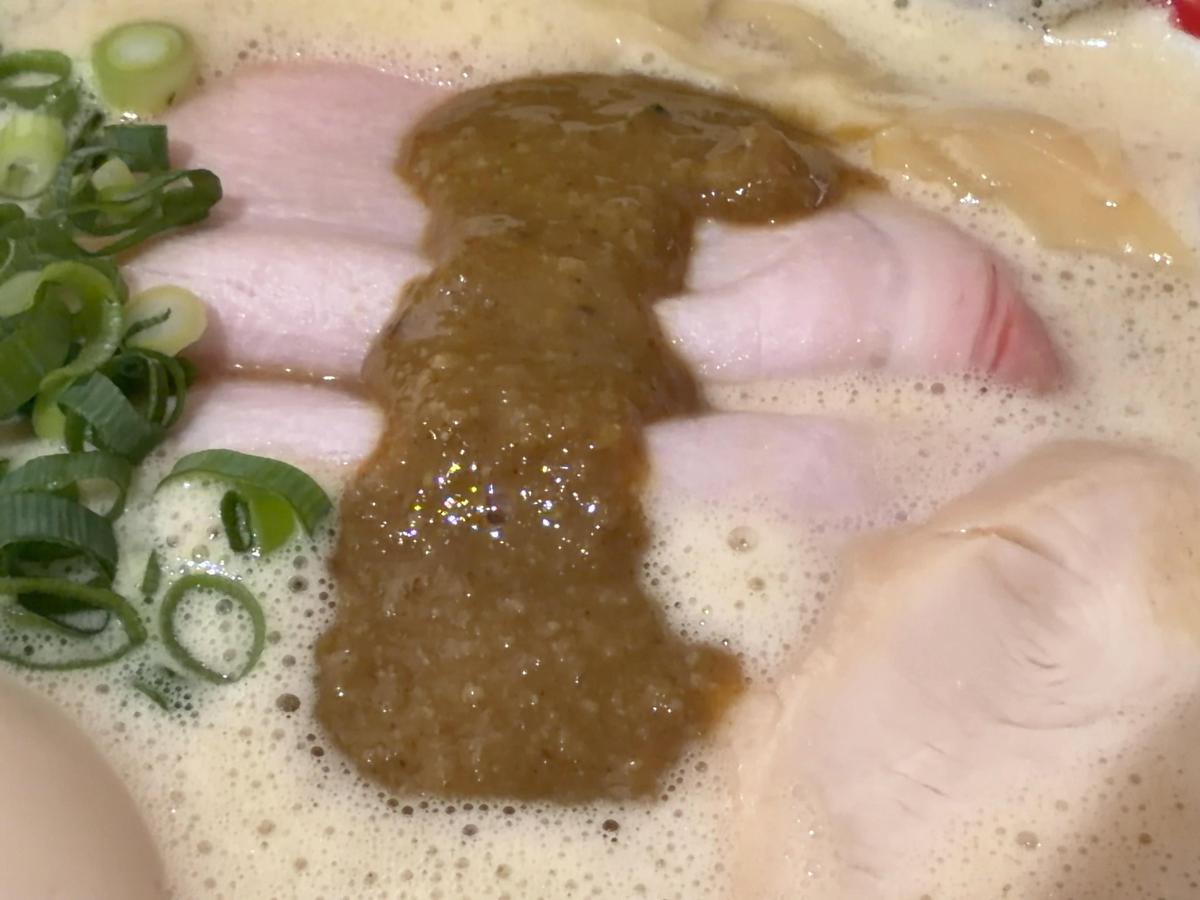
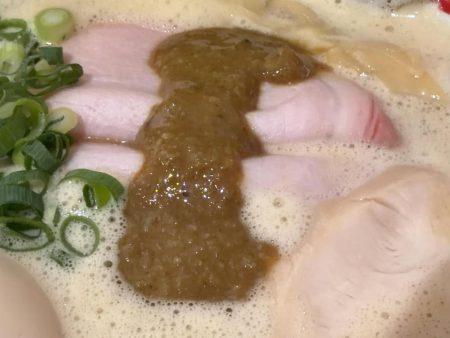
Oyster paste for changing the flavor
-
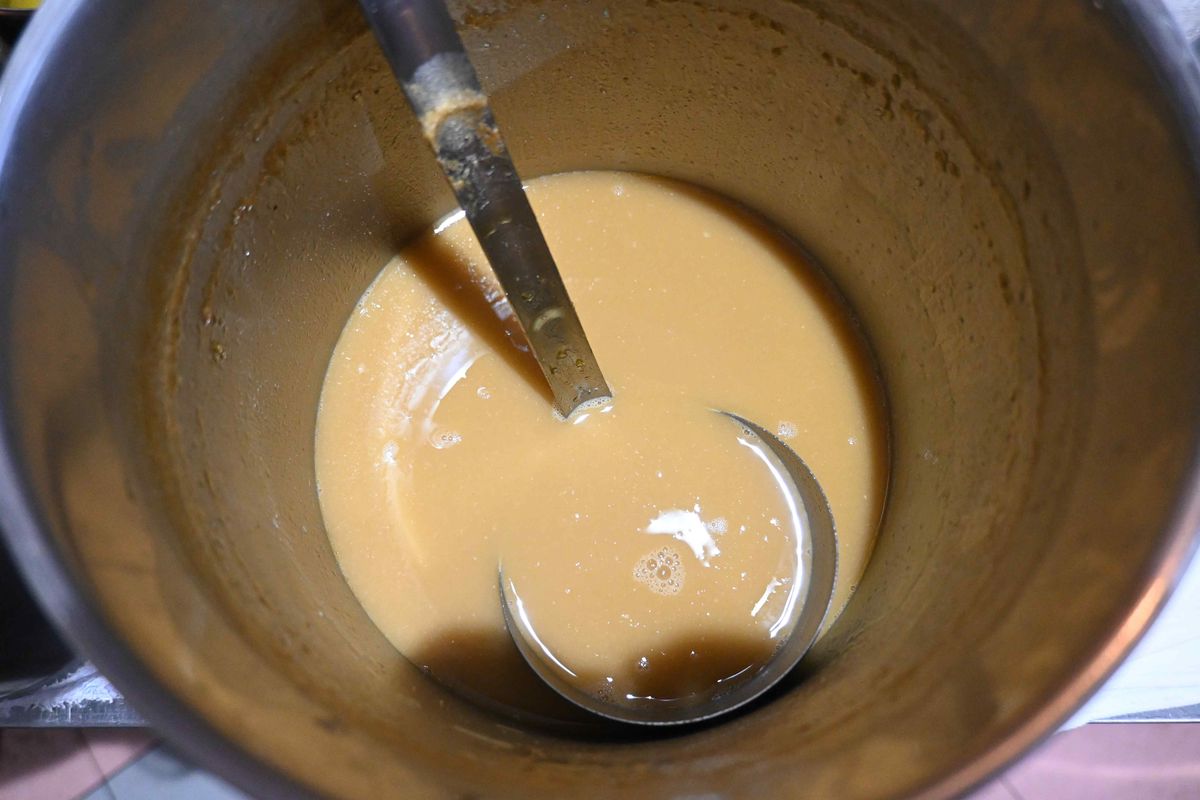
Whisked soup. Okamoto says it makes taste smoother.
-
Rich oyster soup
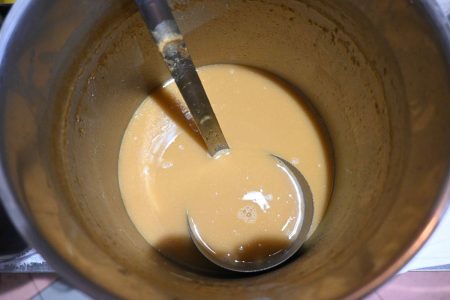
“I use 10 kilograms of oysters for every 100 bowls of ramen. I think that’s quite a lot,” Okamoto explained. “The oysters are dissolved into the soup. I make it so you’ll want to drink every last drop.” Using frozen Hiroshima oysters, Okamoto’s dedication lies in meticulous preparation. He thoroughly cleans the oysters of any grit before making the broth. This step significantly alters the final flavor. He then simmers them in chicken bone broth along with aromatic vegetables like onions and garlic.
This oyster ramen has a special treat: you can change the flavor with the homemade oyster paste. Oysters are simmered with homemade miso, sake, soy sauce and other ingredients, then blended into a paste. Since it’s served as a topping, I recommend not dissolving it right away. Wait until you’re halfway through eating, then stir it into the soup. This will intensify the rich flavor even more. Okamoto also makes his own aromatic oil using oysters to be mixed with the soup.
-
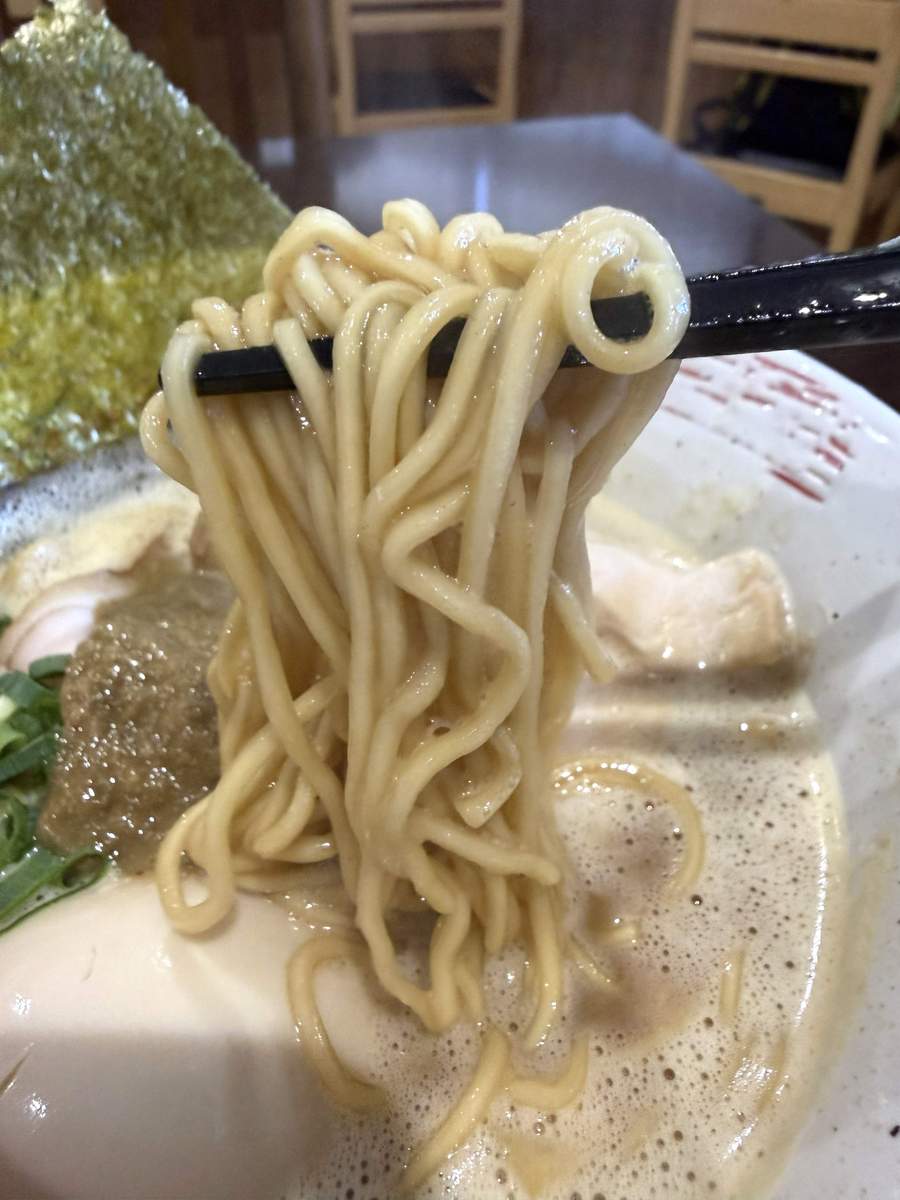
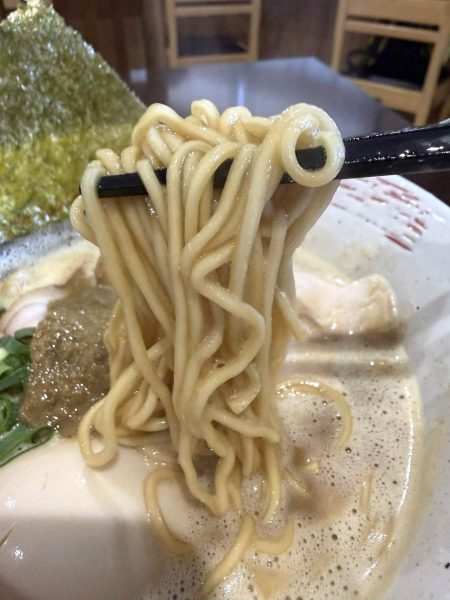
Thin noodles that hold the soup well
-
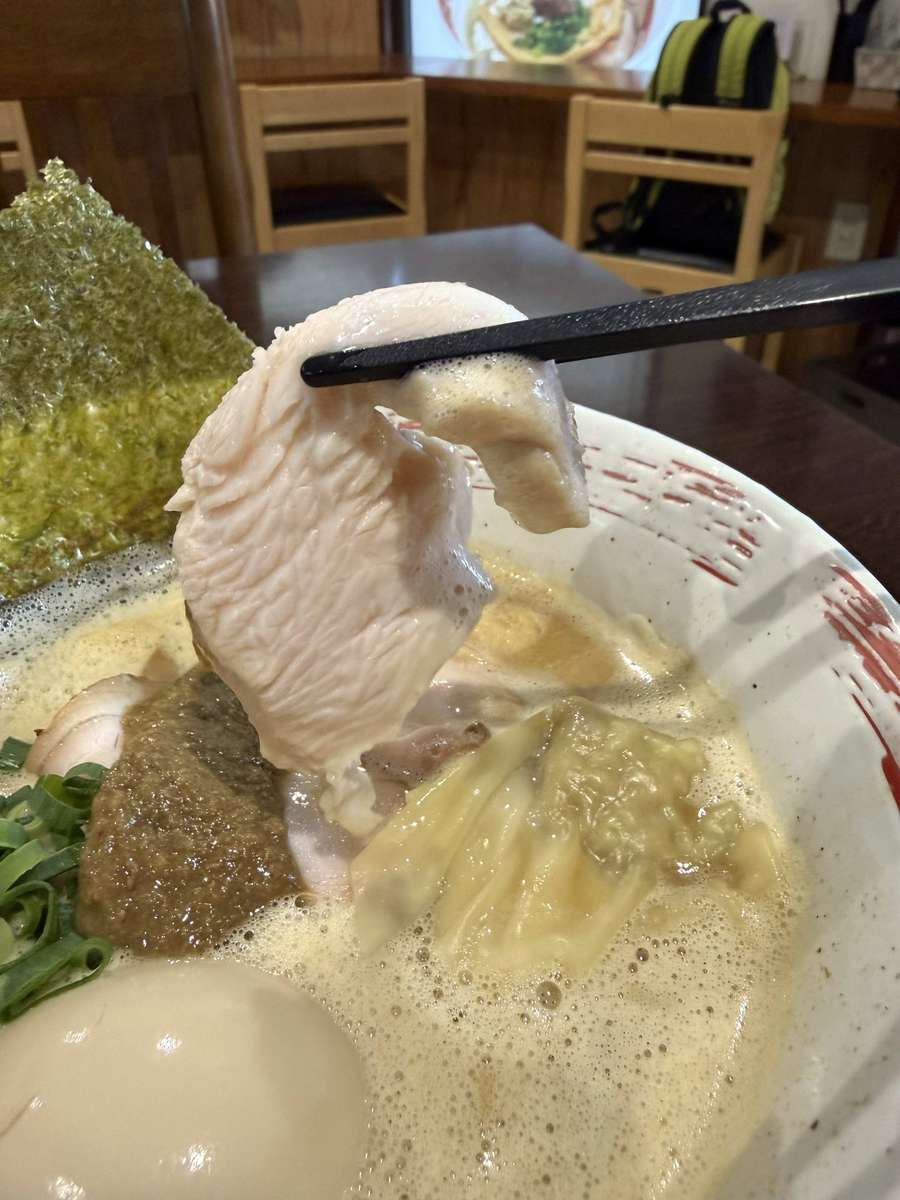
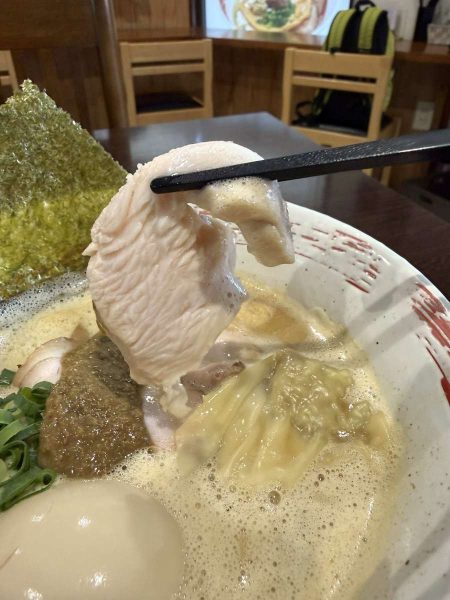
Tender and juicy chicken breast chashu
-
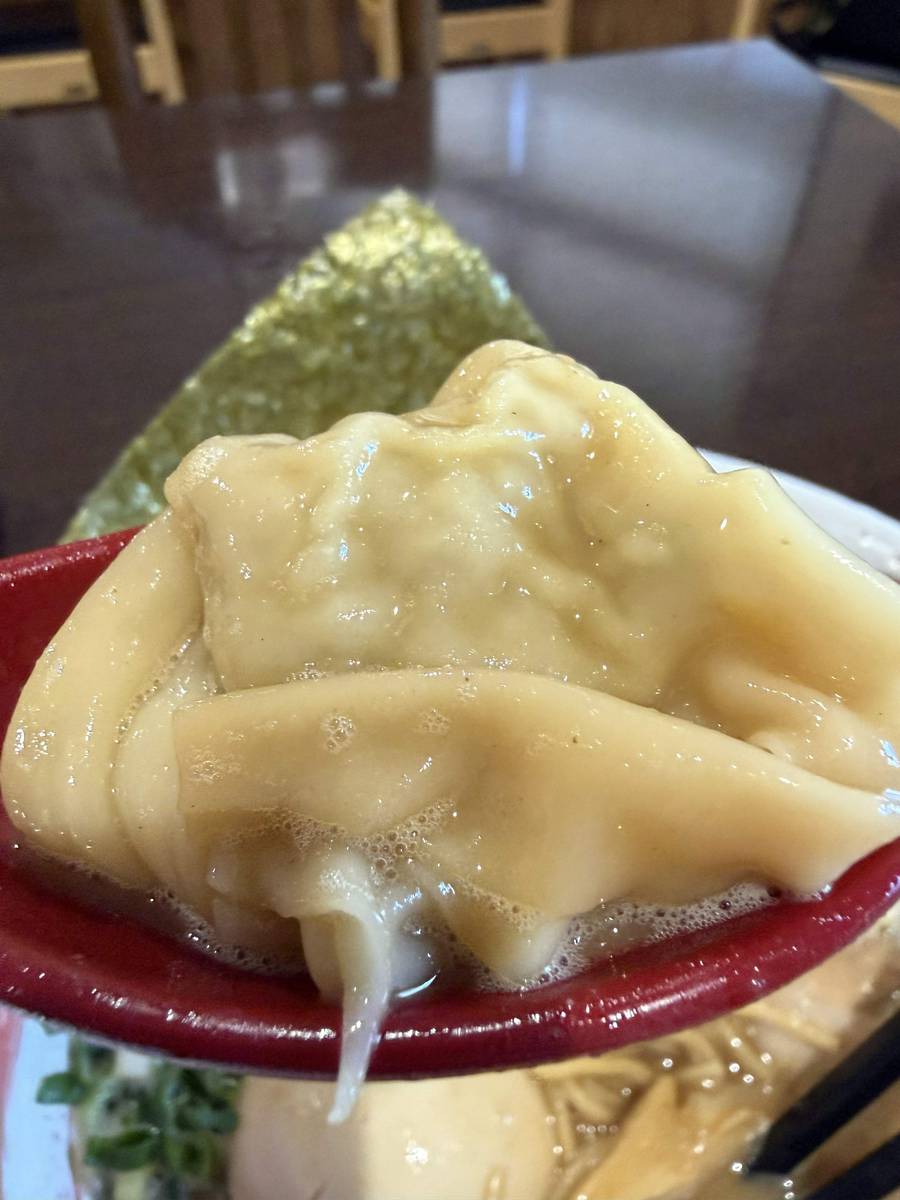
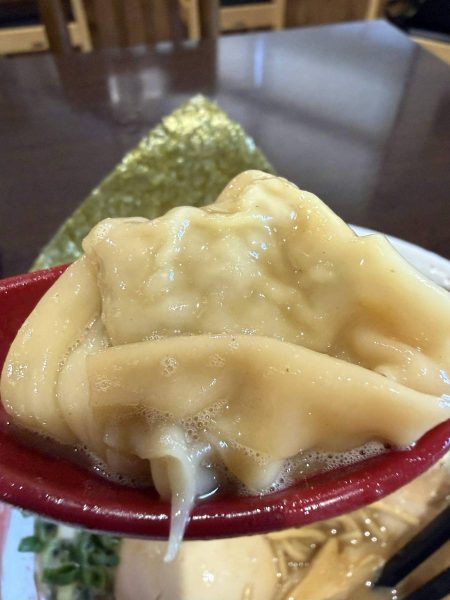
Homemade wonton
-
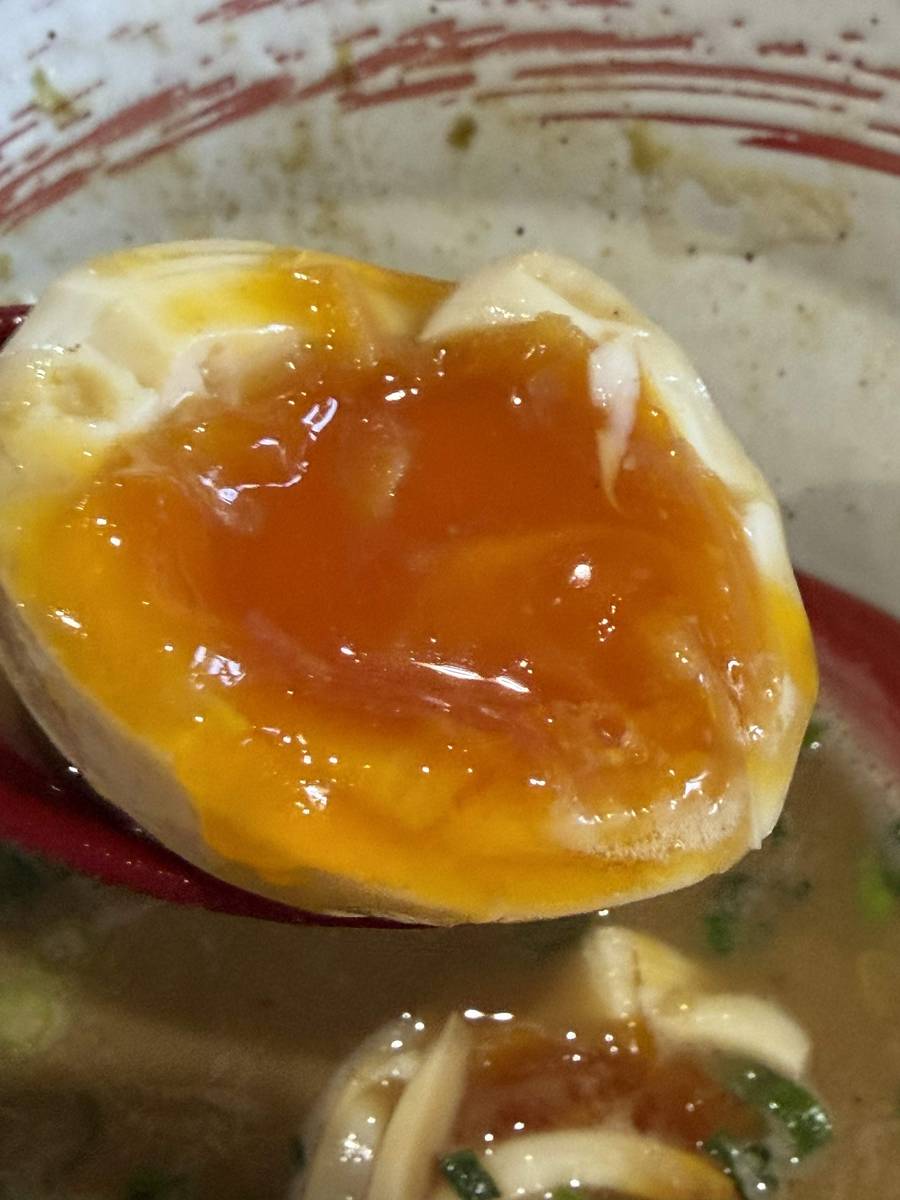
Soft-boiled eggs
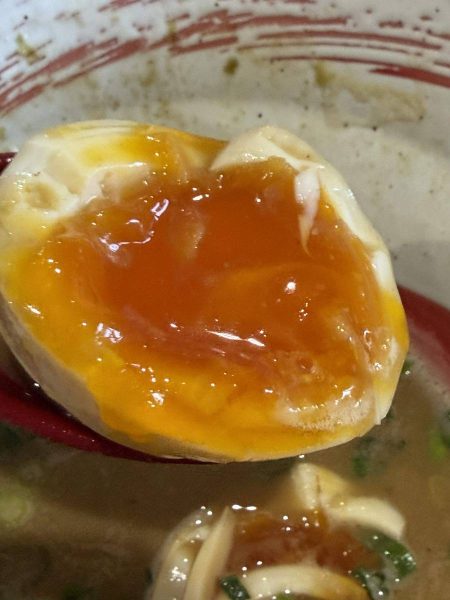
In other words, even though this ramen doesn’t feature whole oysters on top, it uses oysters in abundance in the broth, paste and aromatic oil, allowing you to fully enjoy the oyster flavor. Okamoto has served ramen topped with whole oysters in the past, but after much trial and error, he settled on the current form.
Toppings include oyster paste, two slices of pork loin chashu, menma bamboo shoots and nori (dried seaweed). The special toppings add one slice of chicken breast chashu, one slice of pork loin chashu, a boiled egg and homemade wonton. The thin noodles are easy to eat and delicious as they cling well to the soup.
Oyster ramen will be available at least through the end of December. Availability beyond that will depend on supply conditions.
Rich life experience
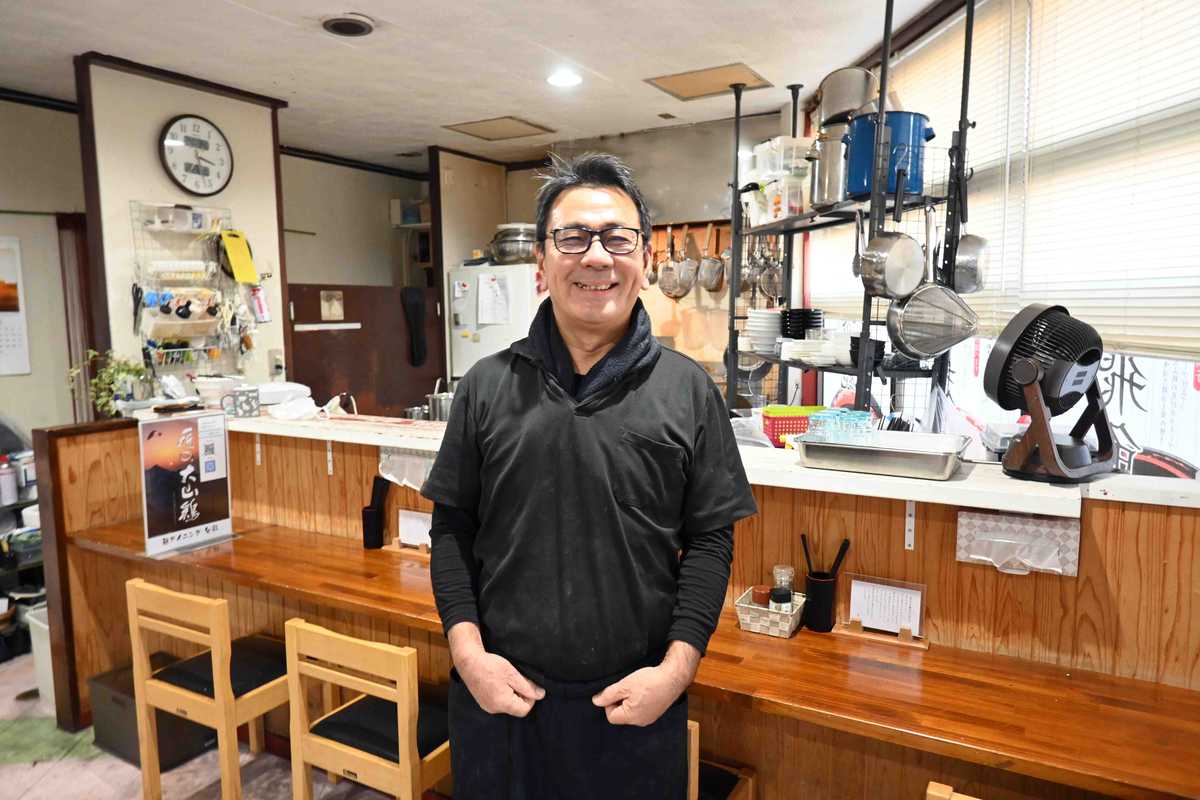
Okamoto pours all his life experience into ramen
Okamoto, originally from Yokohama, has plenty of life experience. He dropped out of university, studied at a famous cooking school in Osaka called Tsuji Culinary Institute and then worked at a Japanese restaurant in Kansai area. After that, he also worked at an Italian restaurant. Before turning 30, he moved to Tokyo area, left the culinary world, worked as an office worker at an IT company and then started his own IT business. However, due to the downsizing of a client company, the business became difficult to manage. With an eye on future independence, he jumped back into the food world.
Izakaya, yakitori, yakiniku. After much deliberation, Okamoto settled on ramen as the last option and began his training at a major ramen chain. He then worked at a ramen shop in Shibuya, Tokyo, for about six years and at a ramen shop in Kanda, Tokyo, for about four years before opening his current shop in April 2019. At the Shibuya ramen shop, he was promoted to manager halfway through and created various original limited-edition ramen dishes. His experience in Japanese and Italian cuisine proved invaluable during this time.
-
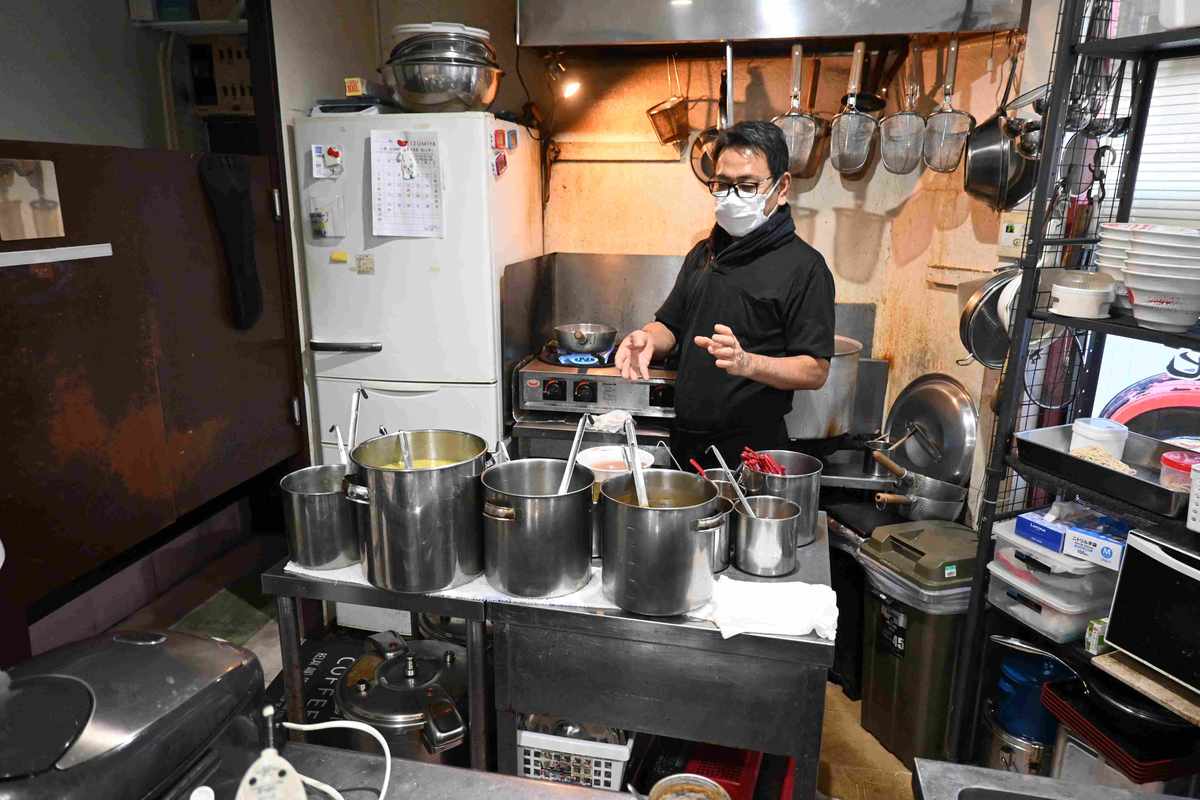
Okamoto explained, “I change the soup, noodle thickness and aromatic oil depending on the type of ramen.”
-
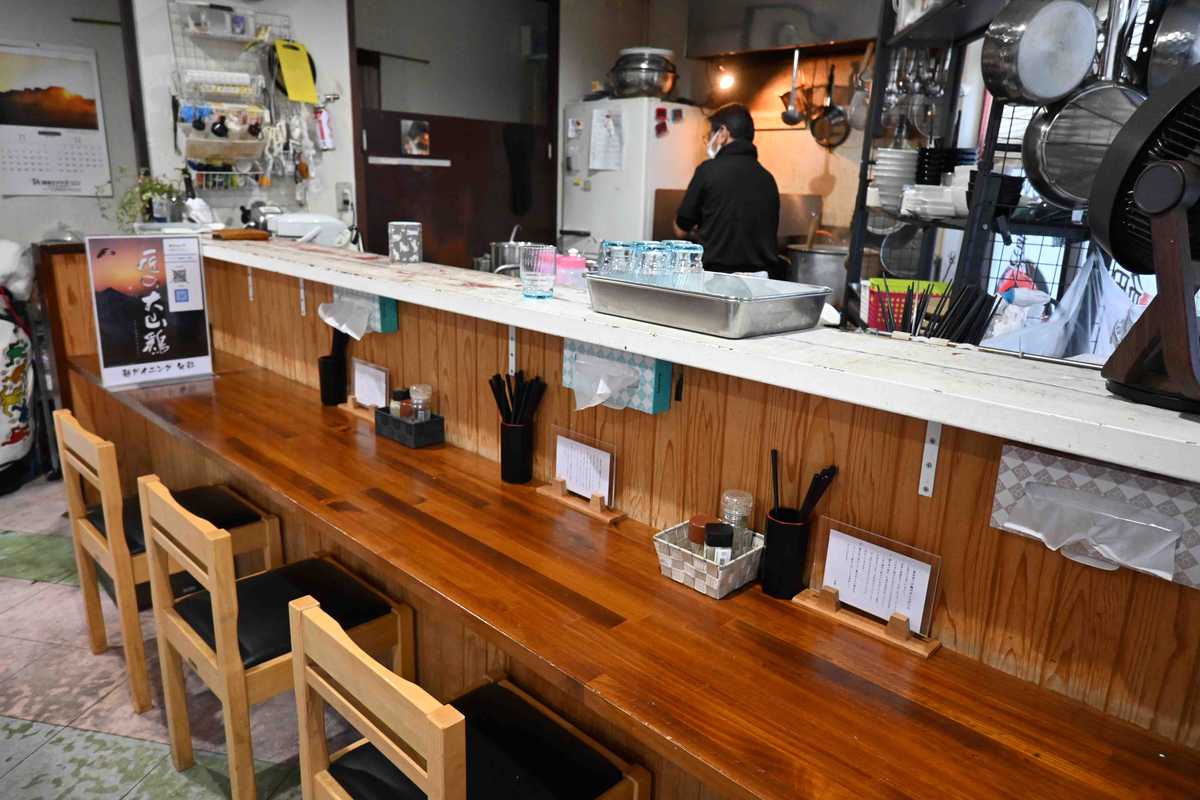
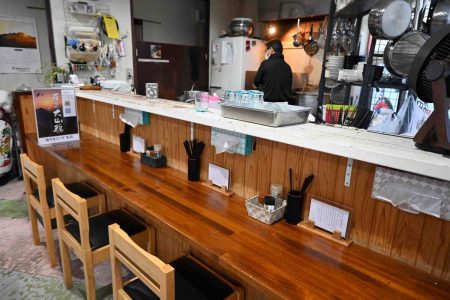
Counter seats
-
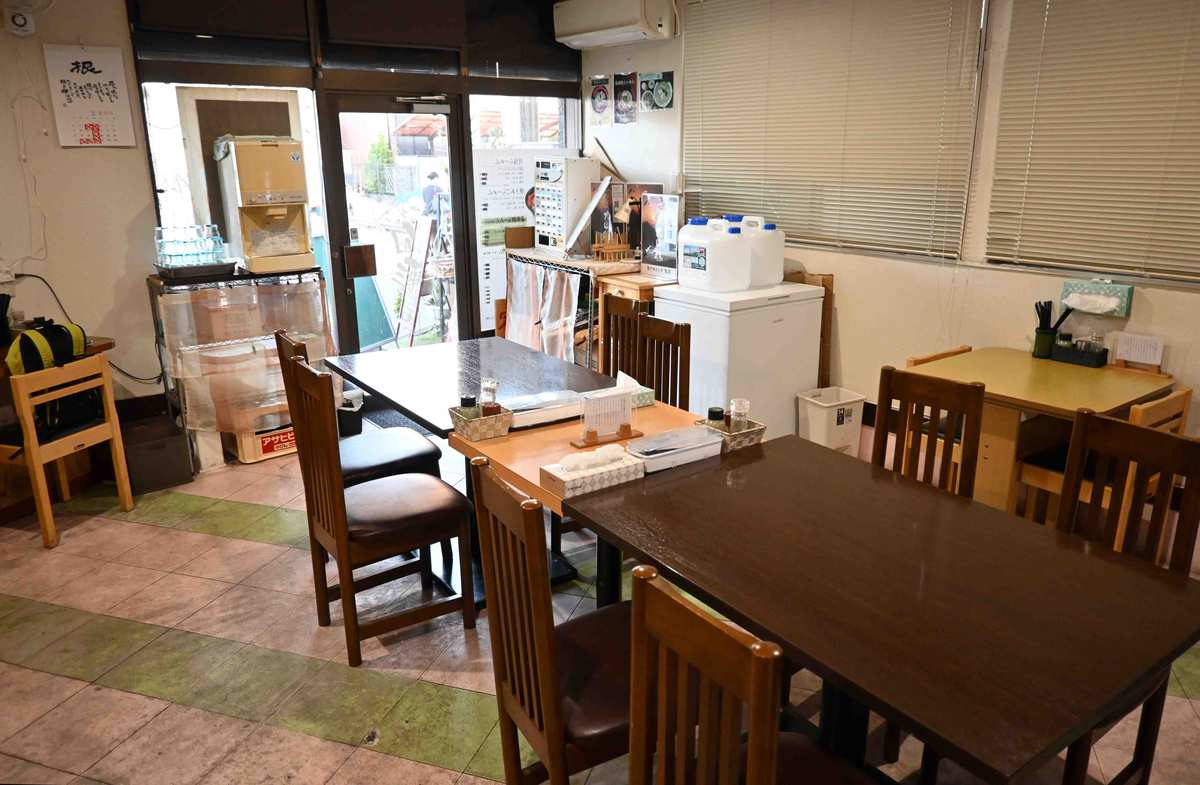
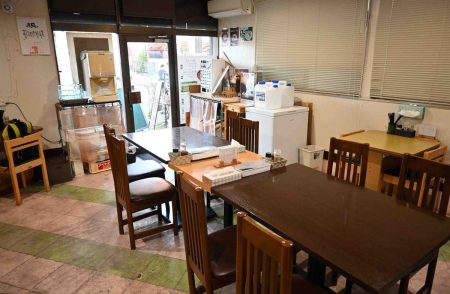
Table seats
-
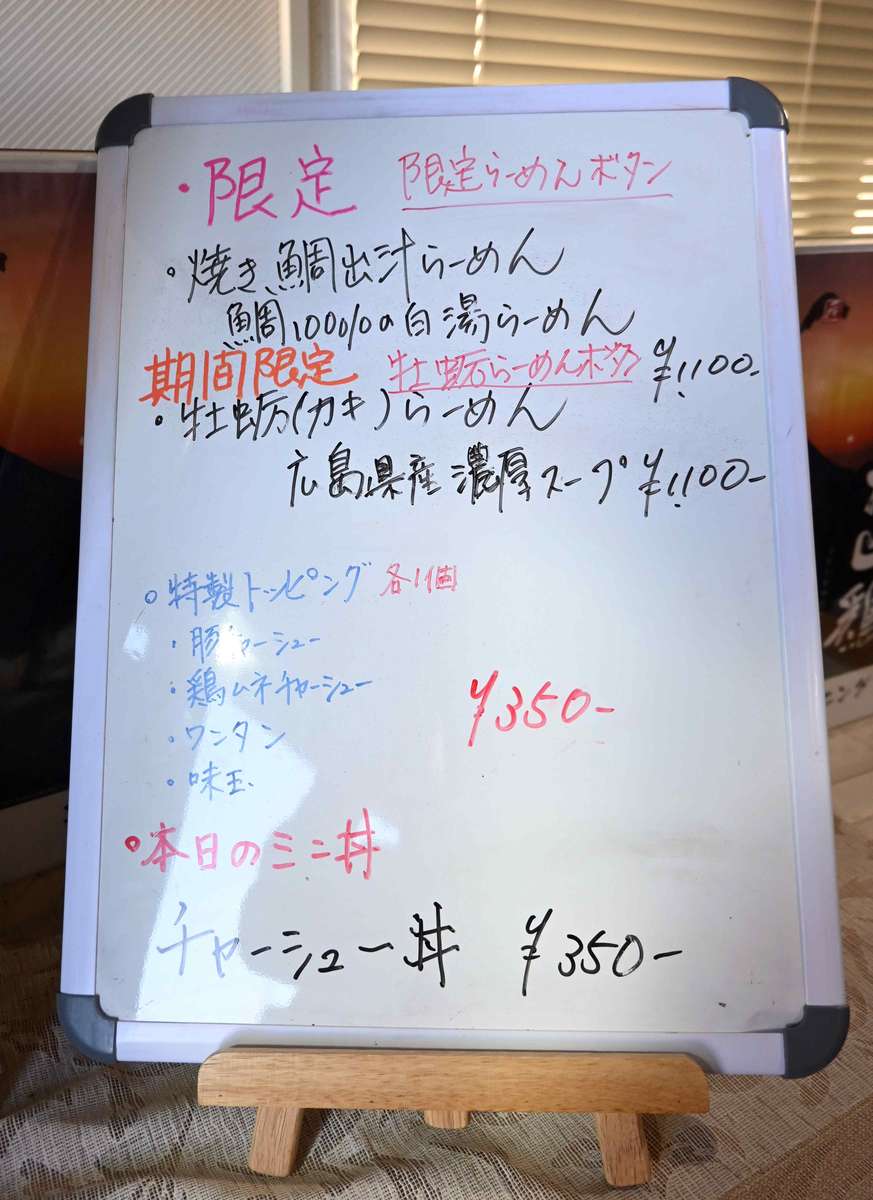
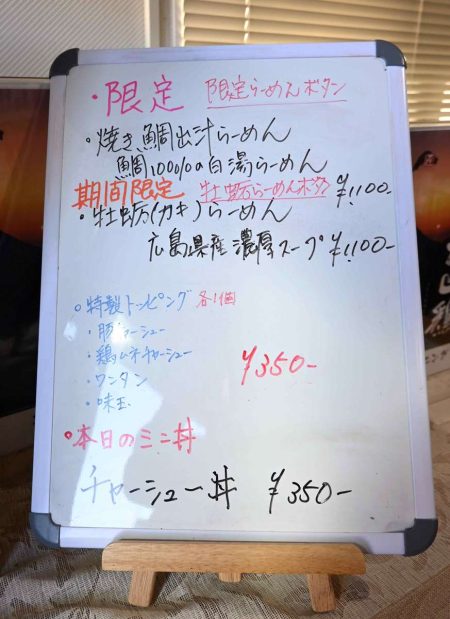
Information on the limited-time menu placed next to the ticket machine
-
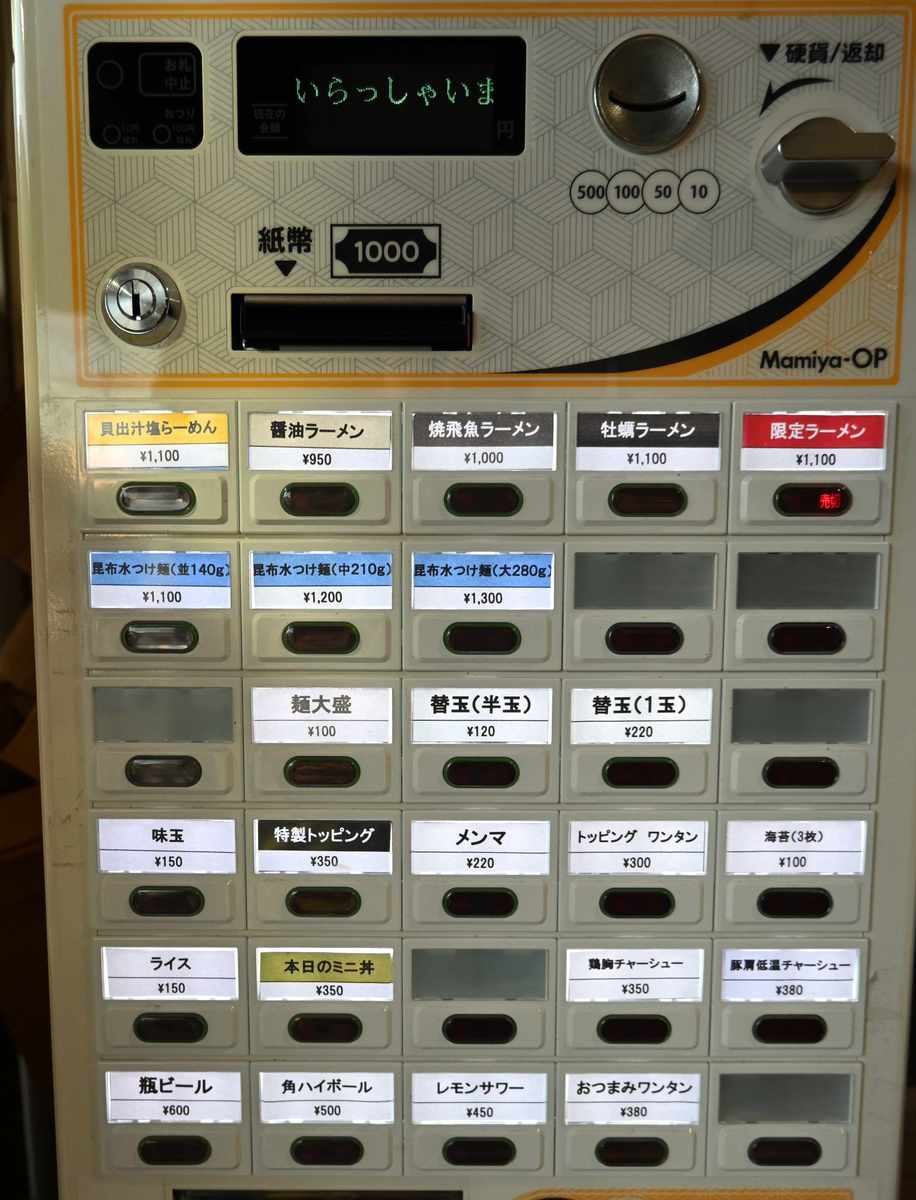
Ticket machine
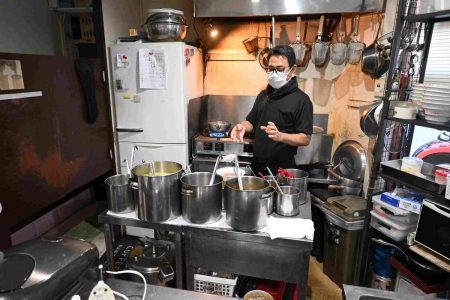
“I was working at a shop in Shibuya during the Great East Japan Earthquake and became stranded. That experience really made me appreciate the value of living close to work, which is why I opened this shop here,” Okamoto, a resident of Odasaga, said. “For a shop to survive in a residential area with poor location conditions, ordinary ramen just won’t cut it. That’s why I have a lineup of distinctive ramen items.”
Unlike the Tokyo city center, which attracts many young people, the shop here also welcomes housewives and elderly pensioners. Supported by a large local fan base, he offers signature dishes born from rich life experience.
Okamoto, who once created a wild ayu (sweetfish) ramen, shared his enthusiasm: “I want to keep challenging myself with new ingredients — not just seafood, but anything novel.”
Noodle Dining Shunsai
3-15-14 Minamidai, Minami Ward, Sagamihara City. Lunch: 11:30 a.m. to 2:30 p.m. Dinner: 6:00 p.m. to 9:00 p.m. Sundays: 11:30 a.m. to 3:00 p.m. Closed Wednesdays. For details, visit the shop’s official X (@0311Taidian).
Futoshi Mori, Japan News Senior Writer
Food is a passion. It’s a serious battle for both the cook and the diner. There are many ramen restaurants in Japan that have a tremendous passion for ramen and I’d like to introduce to you some of these passionate establishments, making the best of my experience of enjoying cuisine from both Japan and around the world.
Japanese version
【ラーメンは芸術だ!】オダサガの「旬彩」で味わう濃厚な牡蠣ラーメン







Most Read
Popular articles in the past 24 hours
-

Milano Cortina 2026: Sakamoto Serves as Flag Bearer; Japan Earns ...
-

Milano Cortina 2026: There Were Cheers across the Country, after ...
-

Emperor Turns 66 Ahead of Disaster Milestones
-

Luna Sea Drummer Shinya Dies at 56; Powerful Drummer Behind ‘Desi...
-

Milano Cortina 2026: ‘Magical’ Italian Games Close wi...
-

Milano Cortina 2026: Riku-Ryu Duo Stick Together During Closing C...
-

1.2 Mil. Rapeseed Flowers Attract Cute Birds, People in Aichi Pre...
-

Mexican Army Kills Leader of Powerful Jalisco New Generation Cart...
Popular articles in the past week
-

Japan PM Takaichi’s Cabinet Resigns en Masse
-

Man Infected with Measles Reportedly Dined at Restaurant in Tokyo...
-

Sanae Takaichi Elected Prime Minister of Japan; Keeps All Cabinet...
-

Japan's Govt to Submit Road Map for Growth Strategy in March, PM ...
-

Bus Carrying 40 Passengers Catches Fire on Chuo Expressway; All E...
-

Milano Cortina 2026: Figure Skaters Riku Miura, Ryuichi Kihara Pa...
-

U.S. Firm to Build Training Hub in Fukushima N-plant for Debris R...
-

Japan, U.S. Name 3 Inaugural Investment Projects; Reached Agreeme...
Popular articles in the past month
-
Japan PM Takaichi’s Cabinet Resigns en Masse
-

Japan Institute to Use Domestic Commercial Optical Lattice Clock ...
-

Israeli Ambassador to Japan Speaks about Japan’s Role in the Reco...
-
Man Infected with Measles Reportedly Dined at Restaurant in Tokyo...
-

Videos Plagiarized, Reposted with False Subtitles Claiming ‘Ryuky...
-

Man Infected with Measles May Have Come in Contact with Many Peop...
-

Prudential Life Insurance Plans to Fully Compensate for Damages C...
-

Woman with Measles Visited Hospital in Tokyo Multiple Times Befor...
Top Articles in JN Specialities
-

Exhibition Shows Keene’s Interactions with Showa-Era Writers in Tokyo, Features Newspaper Columns, Related Materials
-

The Japan News / Weekly Edition (2/20-2/26)
-

Step Back in Time at Historical Estate Renovated into a Commercial Complex in Tokyo
-

The Japan News / Weekly Edition (1/30-2/5)
-

Prevent Accidents When Removing Snow from Roofs; Always Use Proper Gear and Follow Safety Precautions
JN ACCESS RANKING
-
Japan PM Takaichi’s Cabinet Resigns en Masse
-
Japan Institute to Use Domestic Commercial Optical Lattice Clock to Set Japan Standard Time
-
Israeli Ambassador to Japan Speaks about Japan’s Role in the Reconstruction of Gaza
-
Man Infected with Measles Reportedly Dined at Restaurant in Tokyo Station
-
Videos Plagiarized, Reposted with False Subtitles Claiming ‘Ryukyu Belongs to China’; Anti-China False Information Also Posted in Japan