
12:29 JST, March 14, 2023
Forty-two years have already passed since the death sentence was finalized. During that time, requests for a retrial were granted and overturned. The system needs to be reviewed.
The Tokyo High Court has decided to allow a retrial for Iwao Hakamata, who had been sentenced to death, following a second request for a retrial over a case in which four family members were murdered in Shizuoka Prefecture in 1966.
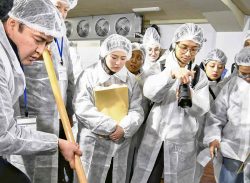
The focus of the case was whether a shirt and other clothing found in a vat at a miso factory near the crime scene 14 months after the murders belonged to Hakamata. The clothing had red bloodstains.
When the death sentence was finalized, the court judged that the clothing found in the tank was worn by Hakamata at the time of the crime.
However, in the latest decision, the high court admitted that the bloodstains would not be red after a year of immersion in miso, and concluded it could not say definitively that the clothing belonged to Hakamata.
The high court also noted the very high possibility that investigative authorities planted the clothing in the tank. If so, the situation is extremely serious, as this would mean that evidence was fabricated.
It has taken too long to reach this conclusion.
The first request for a retrial was filed in 1981. It was in 2014 that the Shizuoka District Court decided to conduct a retrial after approving his second retrial request. At that time, the death penalty was suspended and Hakamata was released from detention.
However, the high court in 2018 overturned the district court’s decision to start a retrial, and the Supreme Court later sent the case back to the high court. If the prosecutors appeal the latest decision and file a special appeal with the Supreme Court, it will likely take even longer to settle the case.
And if a decision is made to hold a retrial, more time will be needed for the legal proceedings to determine whether Hakamata is guilty or not guilty.
If a decision to hold a retrial is confirmed, it should begin immediately. This would shorten the duration of the trial.
There is also a problem with the current evidence disclosure system. It was only after a retrial was requested for a second time that the prosecution disclosed color photographs of the clothing.
In a 1984 murder-robbery case in the town of Hino, Shiga Prefecture, the Osaka High Court last month approved a retrial for a former convict who died of illness. Prosecutors did not disclose negatives of photographs of a reenactment showing the abandonment of the body until after a retrial request was filed. The negatives served as the basis for the retrial.
The Criminal Procedure Code does not stipulate an obligation to disclose evidence when a retrial is sought. The prosecution’s reluctance to disclose evidence has been viewed as problematic. Rules for the disclosure of evidence should be clarified.
(From The Yomiuri Shimbun, March 14, 2023)





Most Read
Popular articles in the past 24 hours
-
2 Unpublished Early Novellas by Japan's Kenzaburo Oe Discovered, ...
-

Prime Minister Sanae Takaichi to Visit Fukushima Pref. on 15th An...
-
Pass Rate for Overseas Driver's License Conversion Test in Japan ...
-
Tokyo High Court Upholds Unification Church Dissolution Order
-

Nikkei Average Sinks over 1,500 Points in Morning
-

Japanese Speedskater Takagi Announces Retirement
-

How Trump Assassination Attempts Played into His Decision to Atta...
-
Sumo Scene / Former Makuuchi Daiamami Pays Tribute to Home Island...
Popular articles in the past week
-
Milano Cortina 2026: Japanese Gold Medalist Figure Skater Miura S...
-
Tokyo Spends Big on Children, Wins Over Parents
-
Japan’s Miura, Kihara Announce Withdrawal from Figure Skating Wor...
-

Yokohama to Test Out Renewable-Powered Offshore Floating Data Cen...
-
BOJ Keeping Eye on Economy and Takaichi's ‘Proactive Fiscal Polic...
-
Tokyo Measles Patient Traveled to Fukuoka Aboard JAL Planes; Susp...
-

South Korea Tightens Rules on Foreigners Buying Homes in Seoul Me...
-
Nidec Chairman Resigns Amid Accounting Scandal at Major Japanese ...
Popular articles in the past month
-

Producer Behind Pop Group XG Arrested for Cocaine Possession
-

Japan PM Takaichi’s Cabinet Resigns en Masse
-

Man Infected with Measles Reportedly Dined at Restaurant in Tokyo...
-

Israeli Ambassador to Japan Speaks about Japan’s Role in the Reco...
-

Videos Plagiarized, Reposted with False Subtitles Claiming ‘Ryuky...
-

Prudential Life Insurance Plans to Fully Compensate for Damages C...
-

Woman with Measles Visited Hospital in Tokyo Multiple Times Befor...
-

iPS Treatments Pass Key Milestone, but Broader Applications Far f...
Top Articles in Editorial & Columns
-

Riku-Ryu Pair Wins Gold Medal: Their Strong Bond Leads to Major Comeback Victory
-

Reciprocal Tariffs Ruled Illegal: Judiciary Would Not Tolerate President’s High-Handed Approach
-

China Provoked Takaichi into Risky Move of Dissolving House of Representatives, But It’s a Gamble She Just Might Win
-
Japan’s Plan for Investment in U.S.: Aim for Mutual Development by Ensuring Profitability
-
Flu Cases Surging Again: Infection Can Also Be Prevented by Humidifying Indoor Spaces
JN ACCESS RANKING
-
Producer Behind Pop Group XG Arrested for Cocaine Possession
-
Japan PM Takaichi’s Cabinet Resigns en Masse
-
Man Infected with Measles Reportedly Dined at Restaurant in Tokyo Station
-
Israeli Ambassador to Japan Speaks about Japan’s Role in the Reconstruction of Gaza
-
Videos Plagiarized, Reposted with False Subtitles Claiming ‘Ryukyu Belongs to China’; Anti-China False Information Also Posted in Japan