

Coltrane Coltrane in Tosu, Saga Prefecture
2:00 JST, December 29, 2025
From the sound and atmosphere to the owners’ passion and dedication, everything about jazz kissa captivated the mind of Philip Arneill.
Mesmerized by these Japanese bars and cafes where visitors immerse themselves in jazz tunes, the Belfast-born photographer embarked on a project to document jazz kissa.
“There’s a magic about them I think that’s really hard to re-create and has to be experienced by yourself or has to be experienced firsthand in person,” Arneill told The Japan News.
Although he has now returned to Northern Ireland, Arneill lived in Japan for about 20 years. He launched his project in 2015, visiting more than 270 jazz joints.
From Hokkaido to Kagoshima Prefecture, some of the images he shot for the project were made into the photo book “Tokyo Jazz Joints.” Released by a German publisher in 2023, the book is now in its fourth edition and is said to have reached more than 65 countries. Earlier this year, the Japanese version was also published.
The book’s staying power came as a surprise — even to the photographer himself.
Arneill believes “an alternative” offered at jazz kissa — a cultural niche said to be unique to Japan — makes the places special in this restless world, where people are exhausted by digital culture, with so much of their time and concentration being consumed by apps and platforms.
“Japan is a country where you can still find silence. People are comfortable with silence, and these spaces are created to focus on the music,” Arneill said of jazz kissa in Japan. “They’re all about slowing down and switching off and stopping what you’re doing and just sitting, having a drink, having a coffee and listening to music, and I think that’s something that we don’t really do anymore.”
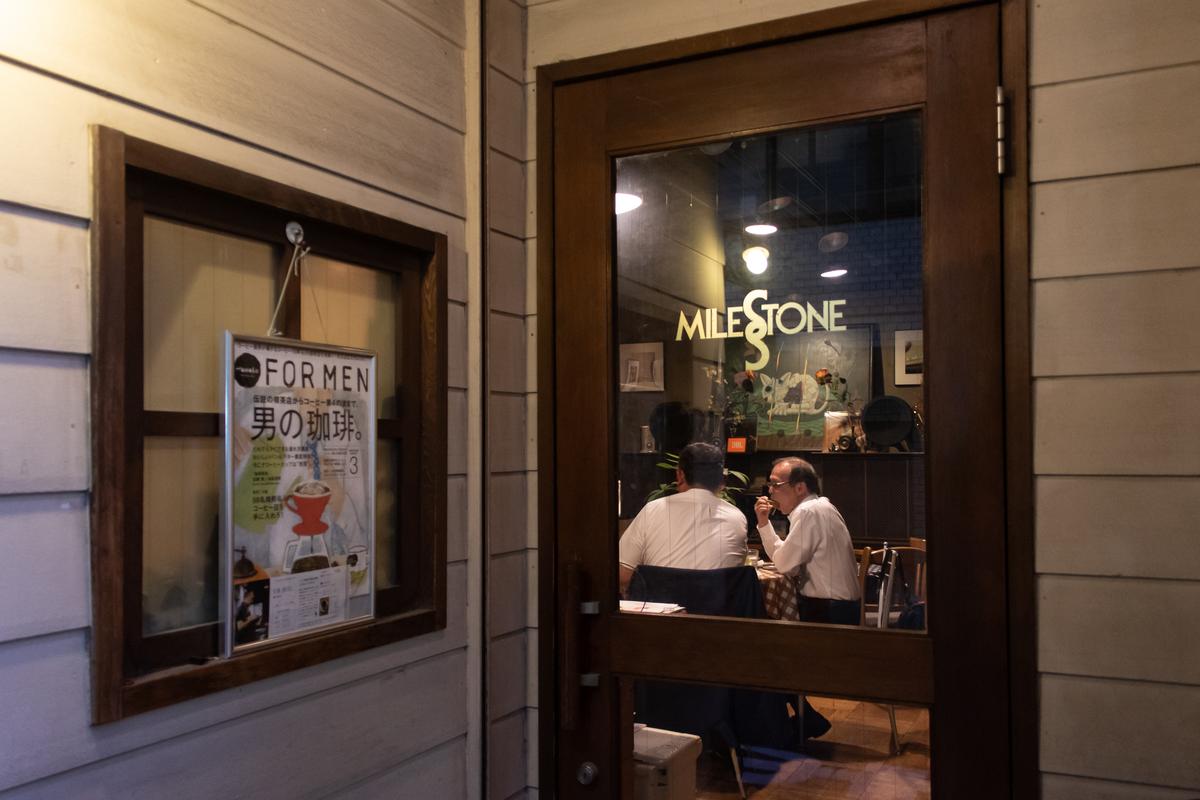
Left: Milestones in Shinjuku Ward, Tokyo (now closed)
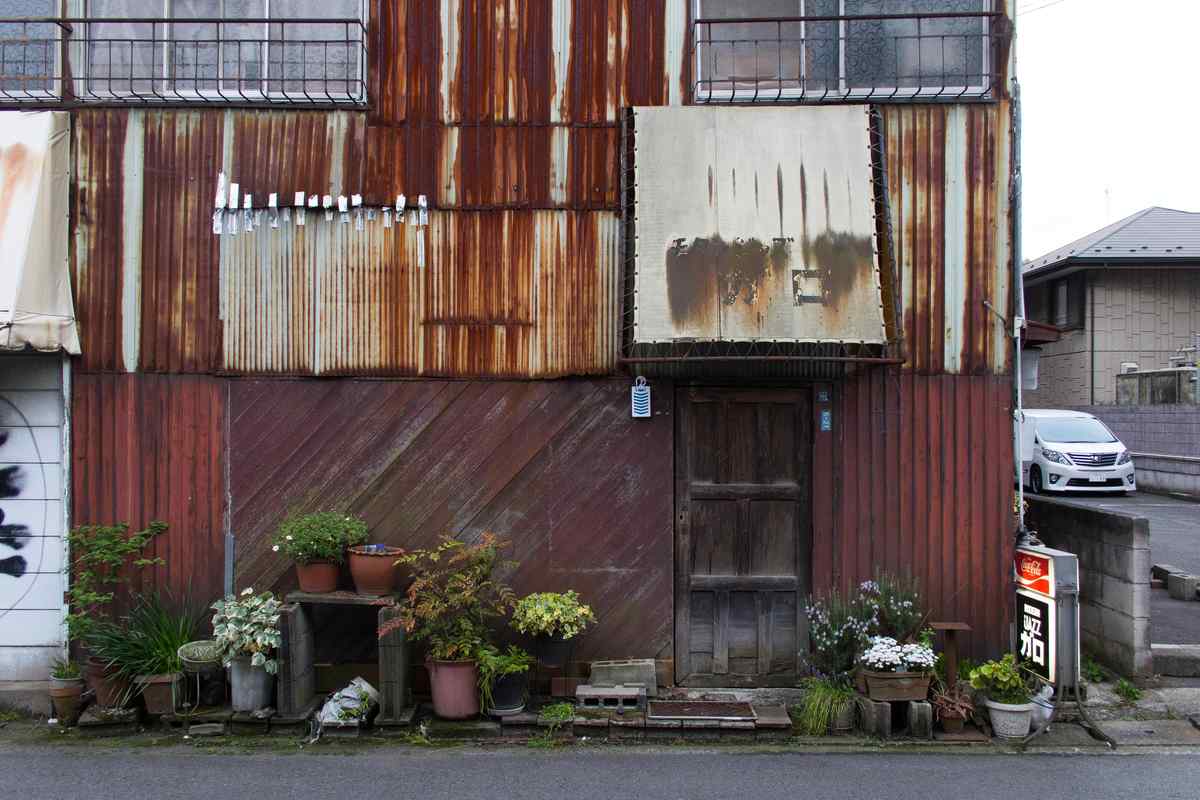
Right: Garo in Kawasaki, Kanagawa Prefecture
This “lost art,” as he calls it, has always been preserved in jazz kissa. Unfortunately, aging owners and the diversification of ways to listen to music have put some businesses on a downward trend. This has driven Arneill in his pursuit of the project.
“That does interest me, documenting places before they change and documenting places as they change. I’m very interested in that idea of a diminishing culture — something that’s vanishing — whether it’s because of demographic change in society, [or] maybe it’s to do with things like gentrification,” he said.
For Arneill, who moved to Ireland in 2017, photography serves as a visual diary and a means of documenting personal experience. Some of his projects exhibit this approach.
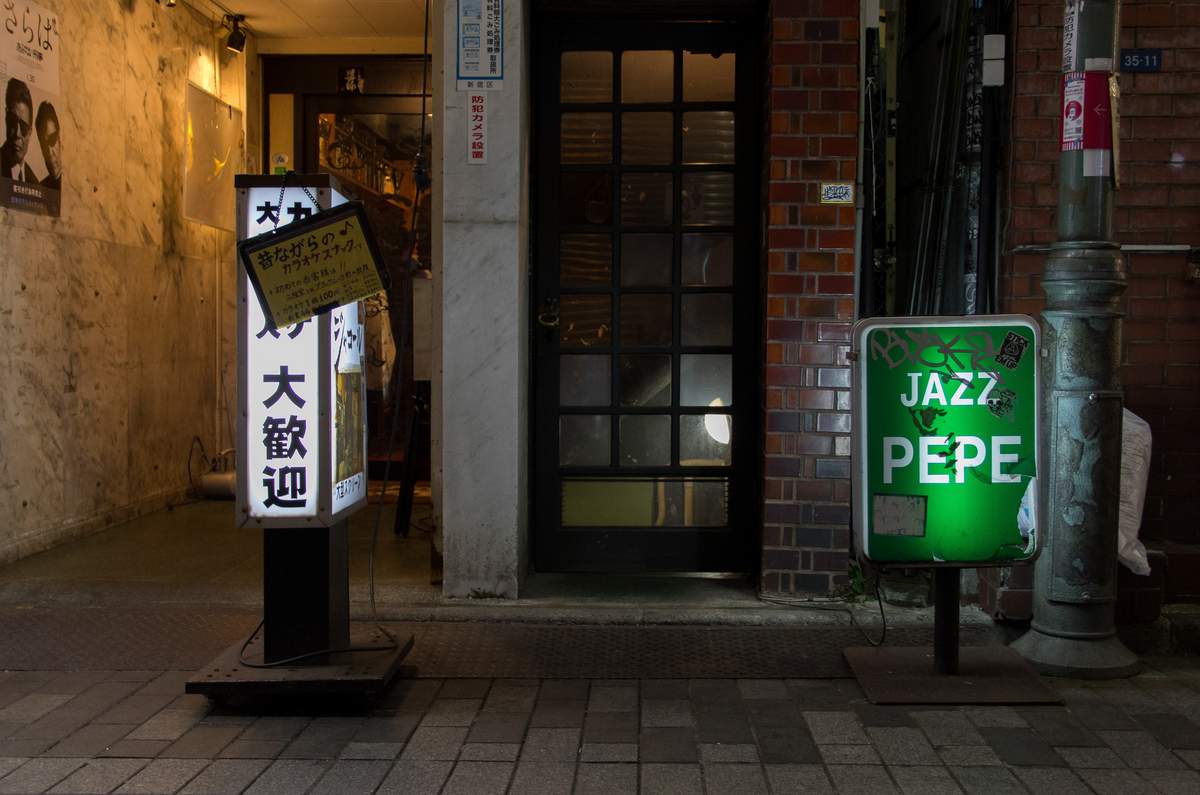
Jazz Pepe in Shinjuku Ward, Tokyo (now closed)
In the work “CoviDublin,” he captured scenes of the Irish capital during a nationwide lockdown triggered by the COVID-19 pandemic. He was allowed to go out only within a two-kilometer radius of his home. A deserted street under a serene blue sky and a closed church entrance became common scenes as the world was facing unprecedented challenges. Now, all those sights are part of modern history.
For “Disappearing,” Arneill shot facades of businesses in the rapidly changing, bustling Dublin before the pandemic. Among them is an outlet of The Irish Yeast Co. — a familiar shopfront to many Dubliners — but it was closed down after more than 100 years of history. Some stores are missed greatly, and others disappeared unnoticed.
Between two homes
Arneill returned to his hometown in Northern Ireland in 2021. His time in Japan — a country physically and psychologically far from Belfast — has given him fresh insights into the city.
“Growing up in Northern Ireland, it was a kind of a cauldron, very claustrophobic,” he recalled, describing Belfast as a very political place even now. “Then you go to Japan, and it gives you the benefit of distance. So, you can look back and see Northern Ireland with a different perspective.”
Arneill is currently working on a project to photograph the architecture of Orange Halls, which he describes as buildings used as meeting places for a Protestant organization known as the Orange Order.

The cover of the photo book “Tokyo Jazz Joints”
“I’m photographing the exteriors as a kind of a metaphor or as a way of looking at my own inherited Protestant identity,” he said, elaborating on it as “an identity that you grow up with and are born into, but don’t necessarily subscribe to or follow as an adult yourself.”
Now, he sees Belfast as a different place from the one he grew up in, while Japan feels like his home. Sensing “an interesting kind of tension between those two,” he continues his photography, most of which is centered on the ideas of identity and belonging and what they really mean.
The Tokyo Jazz Joints project is also ongoing. Under the low gray sky of Belfast, Arneill is planning his next trip to Japan. In a country where he found belonging, he will document more jazz kissa and the lost art while it is still alive in them.
To find out more about Arneill’s work, visit www.philiparneill.com




Most Read
Popular articles in the past 24 hours
-

Japan's Opposition Parties Largely Absent from Social Security-Re...
-
Tourists Ignore Safety Barriers Near Famous Zao ‘Snow Monsters’ i...
-
Showa-era Towers in Kansai’s Big Cities Become Social Media Sensa...
-

Tokyo’s ‘Strawberry War’ Intensifies as Producers Vie to Become ‘...
-
Fukui: Effort to Grow Bananas in Snow Bears Fruit; Japanese Farme...
-

Neil Sedaka, The Singer-Songwriter Behind Dozens of Hits of The 1...
-

Japan's Budget May Be Passed Within FY25, as Ruling Parties Prepa...
-

Portable Stuffed Wolf Robot Designed to Drive Away Bears While Hi...
Popular articles in the past week
-

Producer Behind Pop Group XG Arrested for Cocaine Possession
-

Nepal Bus Crash Kills 19 People, Injures 25 Including One Japanes...
-
Tokyo Skytree's Elevator Stops, Trapping 20 People; All Rescued (...
-
Milano Cortina 2026: Japanese Gold Medalist Figure Skater Miura S...
-

Japan’s Major Real Estate Firms Expanding Overseas Businesses to ...
-

Reciprocal Tariffs Ruled Illegal: Judiciary Would Not Tolerate Pr...
-

Milano Cortina 2026: Miura-Kihara Duo, Other Japanese Figure Skat...
-
6 Injured at Naked Festival in Japan’s Okayama Prefecture; Police...
Popular articles in the past month
-
Producer Behind Pop Group XG Arrested for Cocaine Possession
-

Japan PM Takaichi’s Cabinet Resigns en Masse
-

Man Infected with Measles Reportedly Dined at Restaurant in Tokyo...
-

Israeli Ambassador to Japan Speaks about Japan’s Role in the Reco...
-

Videos Plagiarized, Reposted with False Subtitles Claiming ‘Ryuky...
-

Man Infected with Measles May Have Come in Contact with Many Peop...
-

Prudential Life Insurance Plans to Fully Compensate for Damages C...
-

Woman with Measles Visited Hospital in Tokyo Multiple Times Befor...
Top Articles in Culture
-
BTS to Hold Comeback Concert in Seoul on March 21; Popular Boy Band Releases New Album to Signal Return
-

Director Naomi Kawase’s New Film Explores Heart Transplants in Japan, Production Involved Real Patients, Families
-

Tokyo Exhibition Offers Inside Look at Impressionism; 70 of 100 Works on ‘Interiors’ by Monet, Others on Loan from Paris
-
Traditional Japanese Silk Hakama Tradition Preserved by Sole Weaver in Sendai
-
Japanese Byobu Folding Screens Tailored to Meet Modern Lifestyles; Foreign Orders Also Piling up
JN ACCESS RANKING
-
Producer Behind Pop Group XG Arrested for Cocaine Possession
-
Japan PM Takaichi’s Cabinet Resigns en Masse
-
Man Infected with Measles Reportedly Dined at Restaurant in Tokyo Station
-
Israeli Ambassador to Japan Speaks about Japan’s Role in the Reconstruction of Gaza
-
Videos Plagiarized, Reposted with False Subtitles Claiming ‘Ryukyu Belongs to China’; Anti-China False Information Also Posted in Japan