
Nissan Ineligible for Wage Hike-Related Preferential Tax Treatment for at Least 1 Year; Ineligibility Follows Violation of Subcontract Law
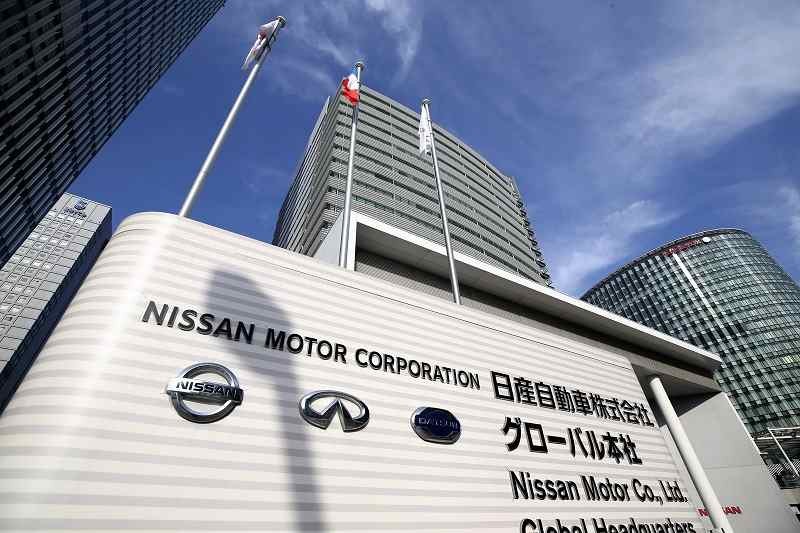
Nissan Motor Co. Global Headquarters in Yokohama
15:45 JST, April 6, 2024
Nissan Motor Co. has lost its right to use the wage-related preferential tax system for at least a year. The system offers reduced corporate tax to companies that raise their employees’ wages. The company’s ineligibility to use the system follows its unilateral reduction of payments owed to subcontractors in violation of the Subcontract Law.
Until now, Nissan had benefitted from the tax system, meaning that the impact of the company’s violation of the law may reach its profitability.
The preferential tax system, which started in fiscal 2013, has been expanded by the administration led by Prime Minister Fumio Kishida to encourage wage hikes.
Under the system as of fiscal 2024, large companies are eligible for a tax exemption equivalent to 35% maximum of the increase to their total payroll due to wage hikes.
To use the system, large companies like Nissan must publish on their website their management policy regarding returning profits to employees as well as policies related to their business partners.
On top of that, they must make a public “Declaration of Partnership Building” — a promise not to engage in unreasonable price negotiations with trade partners — via a dedicated website which the government and other organizations created. As of Friday, about 44,000 companies, including Toyota Motor Corp., are listed on the website.
The Economy, Trade and Industry Ministry delisted Nissan from the website after the Fair Trade Commission issued a recommendation to the company over its violation of the Subcontract Law in March.
Delisted companies cannot be relisted at least for one year, making Nissan ineligible to utilize the preferential tax system for that period.
Nissan decided to increase wages by 3.4% during the annual spring wage negotiations in 2023 and responded to the labor union with a wage hike as high as 5% during this year’s negotiations.
If Nissan had not violated the law, the automaker could have received a tax break through the system on its fiscal 2023 corporate tax payments as well.
For large companies, that tax reduction can amount to as much as several billion yen or more a year.
Nissan has refunded approximately \3 billion in total to 36 subcontractors that the Fair Trade Commission recognized as having been impacted by Nissan’s violation of the law.







Most Read
Popular articles in the past 24 hours
-

Tokyo Skytree's Elevator Stops, Trapping 20 People; All Rescued (...
-

Japan’s Major Real Estate Firms Expanding Overseas Businesses to ...
-

China, India Tapping into Promising African Market; Beijing Annou...
-

Ukrainian Ambassador Closely Watching Japan’s Revision of Defense...
-
Emperor Turns 66 Ahead of Disaster Milestones
-

Milano Cortina 2026: Sakamoto Serves as Flag Bearer; Japan Earns ...
-

Milano Cortina 2026: There Were Cheers across the Country, after ...
-

Luna Sea Drummer Shinya Dies at 56; Powerful Drummer Behind ‘Desi...
Popular articles in the past week
-

Japan PM Takaichi’s Cabinet Resigns en Masse
-

Man Infected with Measles Reportedly Dined at Restaurant in Tokyo...
-

Sanae Takaichi Elected Prime Minister of Japan; Keeps All Cabinet...
-

Japan's Govt to Submit Road Map for Growth Strategy in March, PM ...
-

Bus Carrying 40 Passengers Catches Fire on Chuo Expressway; All E...
-

Milano Cortina 2026: Figure Skaters Riku Miura, Ryuichi Kihara Pa...
-

Japan, U.S. Name 3 Inaugural Investment Projects; Reached Agreeme...
-

U.S. Firm to Build Training Hub in Fukushima N-plant for Debris R...
Popular articles in the past month
-
Japan PM Takaichi’s Cabinet Resigns en Masse
-

Japan Institute to Use Domestic Commercial Optical Lattice Clock ...
-

Israeli Ambassador to Japan Speaks about Japan’s Role in the Reco...
-
Man Infected with Measles Reportedly Dined at Restaurant in Tokyo...
-

Videos Plagiarized, Reposted with False Subtitles Claiming ‘Ryuky...
-

Man Infected with Measles May Have Come in Contact with Many Peop...
-

Prudential Life Insurance Plans to Fully Compensate for Damages C...
-

Woman with Measles Visited Hospital in Tokyo Multiple Times Befor...
Top Articles in Business
-
Prudential Life Insurance Plans to Fully Compensate for Damages Caused by Fraudulent Actions Without Waiting for Third-Party Committee Review
-
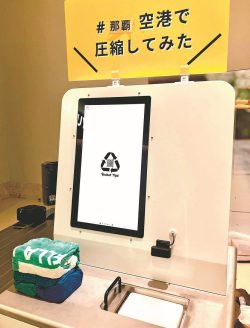
Narita Airport, Startup in Japan Demonstrate Machine to Compress Clothes for Tourists to Prevent People from Abandoning Suitcases
-
Japan, U.S. Name 3 Inaugural Investment Projects; Reached Agreement After Considerable Difficulty
-

Toyota Motor Group Firm to Sell Clean Energy Greenhouses for Strawberries
-

SoftBank Launches AI Service for Call Centers That Converts Harsh Customer Voices into Softer Voices
JN ACCESS RANKING
-
Japan PM Takaichi’s Cabinet Resigns en Masse
-
Japan Institute to Use Domestic Commercial Optical Lattice Clock to Set Japan Standard Time
-
Israeli Ambassador to Japan Speaks about Japan’s Role in the Reconstruction of Gaza
-
Man Infected with Measles Reportedly Dined at Restaurant in Tokyo Station
-
Videos Plagiarized, Reposted with False Subtitles Claiming ‘Ryukyu Belongs to China’; Anti-China False Information Also Posted in Japan