

The cityscape of Tokyo
11:07 JST, December 31, 2023
Tokyo, Dec. 31 (Jiji Press)—A growing number of Japanese companies are moving to rehire former employees who have quit before retirement age.
The moves are aimed at securing work-ready personnel amid serious labor shortages crippling the country, while a second chance is granted to former workers under the trend.
In Japan, it had been widely believed that quitting a job means completely severing the relationship with the employer. But the way of thinking is diminishing in recent years.
Sachiko Kido, 40, started working at Kirin Brewery Co. again in January 2022, after she quit the Tokyo-based company several years ago. Although she left the firm in the hope of becoming a public relations expert, Kido changed her mind and came to think that she wants to engage in a wide range of business operations amid the COVID-19 pandemic. She chose to work again at the major beer maker, which is familiar to her.
The company’s parent, Kirin Holdings Co., had rehired only those who quit due to reasons including childbirth and a transfer of the spouse. In 2020, it fully removed such conditions in principle, and five people, including Kido, have returned so far.
Ryohin Keikaku Co., the operator of Muji brand daily goods shops, has been promoting the re-employment of former workers since 2016 under its “comeback recruitment” scheme. In fiscal 2023, a total of 211 people, including part-timers, have returned to the company.
There are also services to help build networks between companies and people who have left the businesses.
Tokyo-based job information provider Recruit Co. has introduced Alumy, a service that manages information on individuals who have quit their jobs and keeps regular contact with them on behalf of their former employers. Two years after its introduction, over 100 companies are using the service.
The Japan Post Holdings Co. group, which has over 200,000 regular employees, started using the service in 2022. It hopes to rehire those who previously worked for the group as not only full-time workers but also part-timers, and tie up with former employees.
“By maintaining good relations with former employees, we want to improve our corporate value,” an official of the postal service group said.
“While job changes and mid-career employment are on the rise, it’s natural (for companies) to increase the rehiring of former employees because the employers know their abilities and personalities to some extent and the method therefore carries lower risks,” said Motohiro Morishima, a Gakushuin University professor who is well-versed in human resources management.
“It’s important for (companies) to allow employees to accumulate a variety of experiences while they are working and to quit comfortably when they decide to leave the firms,” he said.







Most Read
Popular articles in the past 24 hours
-

Ukrainian Ambassador Closely Watching Japan’s Revision of Defense...
-

Milano Cortina 2026: Sakamoto Serves as Flag Bearer; Japan Earns ...
-

Emperor Turns 66 Ahead of Disaster Milestones
-

Milano Cortina 2026: There Were Cheers across the Country, after ...
-

Luna Sea Drummer Shinya Dies at 56; Powerful Drummer Behind ‘Desi...
-

Milano Cortina 2026: ‘Magical’ Italian Games Close wi...
-

Milano Cortina 2026: Riku-Ryu Duo Stick Together During Closing C...
-

1.2 Mil. Rapeseed Flowers Attract Cute Birds, People in Aichi Pre...
Popular articles in the past week
-

Japan PM Takaichi’s Cabinet Resigns en Masse
-

Man Infected with Measles Reportedly Dined at Restaurant in Tokyo...
-

Sanae Takaichi Elected Prime Minister of Japan; Keeps All Cabinet...
-

Japan's Govt to Submit Road Map for Growth Strategy in March, PM ...
-

Bus Carrying 40 Passengers Catches Fire on Chuo Expressway; All E...
-

Milano Cortina 2026: Figure Skaters Riku Miura, Ryuichi Kihara Pa...
-

U.S. Firm to Build Training Hub in Fukushima N-plant for Debris R...
-

Japan, U.S. Name 3 Inaugural Investment Projects; Reached Agreeme...
Popular articles in the past month
-
Japan PM Takaichi’s Cabinet Resigns en Masse
-

Japan Institute to Use Domestic Commercial Optical Lattice Clock ...
-

Israeli Ambassador to Japan Speaks about Japan’s Role in the Reco...
-
Man Infected with Measles Reportedly Dined at Restaurant in Tokyo...
-

Videos Plagiarized, Reposted with False Subtitles Claiming ‘Ryuky...
-

Man Infected with Measles May Have Come in Contact with Many Peop...
-

Prudential Life Insurance Plans to Fully Compensate for Damages C...
-

Woman with Measles Visited Hospital in Tokyo Multiple Times Befor...
Top Articles in Business
-
Prudential Life Insurance Plans to Fully Compensate for Damages Caused by Fraudulent Actions Without Waiting for Third-Party Committee Review
-
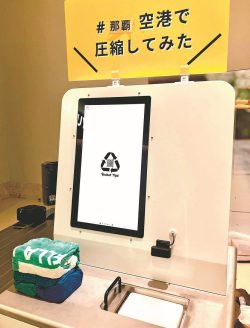
Narita Airport, Startup in Japan Demonstrate Machine to Compress Clothes for Tourists to Prevent People from Abandoning Suitcases
-
Japan, U.S. Name 3 Inaugural Investment Projects; Reached Agreement After Considerable Difficulty
-

Toyota Motor Group Firm to Sell Clean Energy Greenhouses for Strawberries
-

SoftBank Launches AI Service for Call Centers That Converts Harsh Customer Voices into Softer Voices
JN ACCESS RANKING
-
Japan PM Takaichi’s Cabinet Resigns en Masse
-
Japan Institute to Use Domestic Commercial Optical Lattice Clock to Set Japan Standard Time
-
Israeli Ambassador to Japan Speaks about Japan’s Role in the Reconstruction of Gaza
-
Man Infected with Measles Reportedly Dined at Restaurant in Tokyo Station
-
Videos Plagiarized, Reposted with False Subtitles Claiming ‘Ryukyu Belongs to China’; Anti-China False Information Also Posted in Japan