
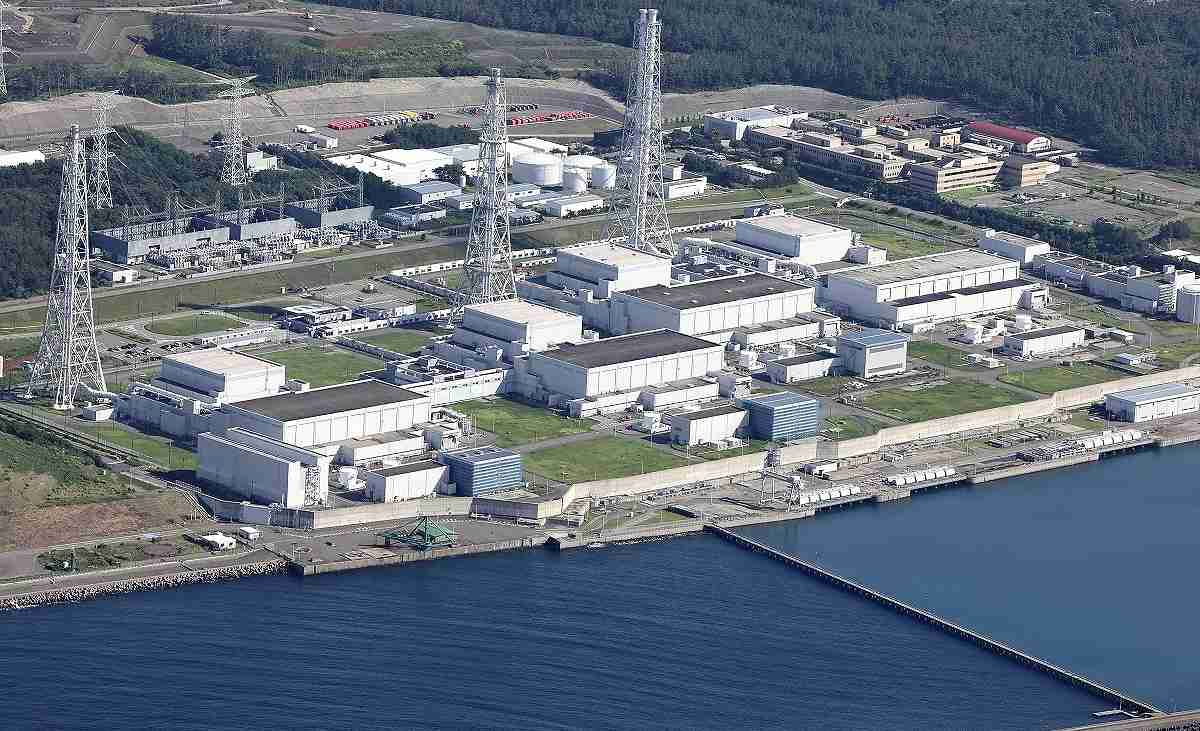
Tokyo Electric Power Co.’s Kashiwazaki-Kariwa nuclear power plant is seen in Niigata Prefecture.
15:00 JST, March 9, 2023
Issues in the inspection of TEPCO’s Kashiwazaki-Kariwa nuclear power plant are making it difficult for the Nuclear Regulation Authority to approve its restart, the regulator said Wednesday.
Operations at the seven-reactor plant in Niigata Prefecture have been suspended due to deficiencies in Tokyo Electric Power Co.’s antiterrorism measures. A decision on whether to lift the ban on operations is set to be made by the end of May.
In the current situation, “it is quite difficult to lift the ban on operations,” said NRA Chairman Shinsuke Yamanaka at a press conference after the regulator held a meeting.
Prime Minister Fumio Kishida’s goal is to have the reactors restarted in order to have a stable power supply, as the nuclear plant provides electricity to Tokyo.
The Nos. 6 and 7 reactors at the plant have among the largest electricity output in the nation, each at 1,360 megawatts. In 2021, when these reactors were scheduled to be restarted after passing the NRA’s safety review, it was discovered that an employee had used someone else’s ID card to illegally enter the main control room.
It was also found that a number of intrusion detection systems had failed, but that no adequate countermeasures had been put in place.
The NRA then issued a de facto ban on the operation of the Kashiwazaki-Kariwa plant in April that year.
Lifting the ban is a prerequisite for restarting the plant, and the NRA had indicated that it would complete additional inspections as early as this spring.
Of the additional 27 areas for inspection to prevent recurrences, TEPCO has not made sufficient improvements in six of these, including the intrusion detection system and internal awareness of the importance of protecting nuclear materials.
The NRA noted that the number of false alarms, in which detectors went off due to wind, snow or other factors, has not decreased, and that TEPCO has not become an organization that can accurately identify signs of deterioration in the protection of nuclear materials.
Yamanaka, who inspected the plant in January, reportedly said at an NRA meeting: “There has been little improvement in the past month or so. The situation is quite serious.”
During the press conference, Yamanaka said the six items to be checked in the future will include both tangible items and intangible elements. He said that it will take time for the plant to be improved.
“This is not something that can be done in a month or two,” he said, casting doubt on the ban being lifted in May.





Most Read
Popular articles in the past 24 hours
-

Ukrainian Ambassador Closely Watching Japan’s Revision of Defense...
-

Milano Cortina 2026: Sakamoto Serves as Flag Bearer; Japan Earns ...
-
Emperor Turns 66 Ahead of Disaster Milestones
-

Milano Cortina 2026: There Were Cheers across the Country, after ...
-
Luna Sea Drummer Shinya Dies at 56; Powerful Drummer Behind ‘Desi...
-

Milano Cortina 2026: ‘Magical’ Italian Games Close wi...
-

Milano Cortina 2026: Riku-Ryu Duo Stick Together During Closing C...
-

1.2 Mil. Rapeseed Flowers Attract Cute Birds, People in Aichi Pre...
Popular articles in the past week
-

Japan PM Takaichi’s Cabinet Resigns en Masse
-

Man Infected with Measles Reportedly Dined at Restaurant in Tokyo...
-

Sanae Takaichi Elected Prime Minister of Japan; Keeps All Cabinet...
-

Japan's Govt to Submit Road Map for Growth Strategy in March, PM ...
-

Bus Carrying 40 Passengers Catches Fire on Chuo Expressway; All E...
-

Milano Cortina 2026: Figure Skaters Riku Miura, Ryuichi Kihara Pa...
-
U.S. Firm to Build Training Hub in Fukushima N-plant for Debris R...
-
Japan, U.S. Name 3 Inaugural Investment Projects; Reached Agreeme...
Popular articles in the past month
-
Japan PM Takaichi’s Cabinet Resigns en Masse
-

Japan Institute to Use Domestic Commercial Optical Lattice Clock ...
-

Israeli Ambassador to Japan Speaks about Japan’s Role in the Reco...
-
Man Infected with Measles Reportedly Dined at Restaurant in Tokyo...
-

Videos Plagiarized, Reposted with False Subtitles Claiming ‘Ryuky...
-

Man Infected with Measles May Have Come in Contact with Many Peop...
-

Prudential Life Insurance Plans to Fully Compensate for Damages C...
-

Woman with Measles Visited Hospital in Tokyo Multiple Times Befor...
Top Articles in Business
-
Prudential Life Insurance Plans to Fully Compensate for Damages Caused by Fraudulent Actions Without Waiting for Third-Party Committee Review
-
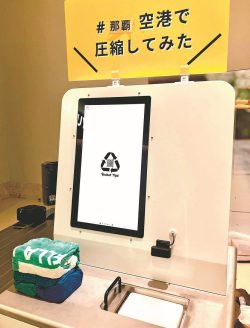
Narita Airport, Startup in Japan Demonstrate Machine to Compress Clothes for Tourists to Prevent People from Abandoning Suitcases
-
Japan, U.S. Name 3 Inaugural Investment Projects; Reached Agreement After Considerable Difficulty
-

Toyota Motor Group Firm to Sell Clean Energy Greenhouses for Strawberries
-

SoftBank Launches AI Service for Call Centers That Converts Harsh Customer Voices into Softer Voices
JN ACCESS RANKING
-
Japan PM Takaichi’s Cabinet Resigns en Masse
-
Japan Institute to Use Domestic Commercial Optical Lattice Clock to Set Japan Standard Time
-
Israeli Ambassador to Japan Speaks about Japan’s Role in the Reconstruction of Gaza
-
Man Infected with Measles Reportedly Dined at Restaurant in Tokyo Station
-
Videos Plagiarized, Reposted with False Subtitles Claiming ‘Ryukyu Belongs to China’; Anti-China False Information Also Posted in Japan