
Fukui: Japan Center Constantly on Alert for Nuclear Accident, Ready to Deploy Remote Equipment
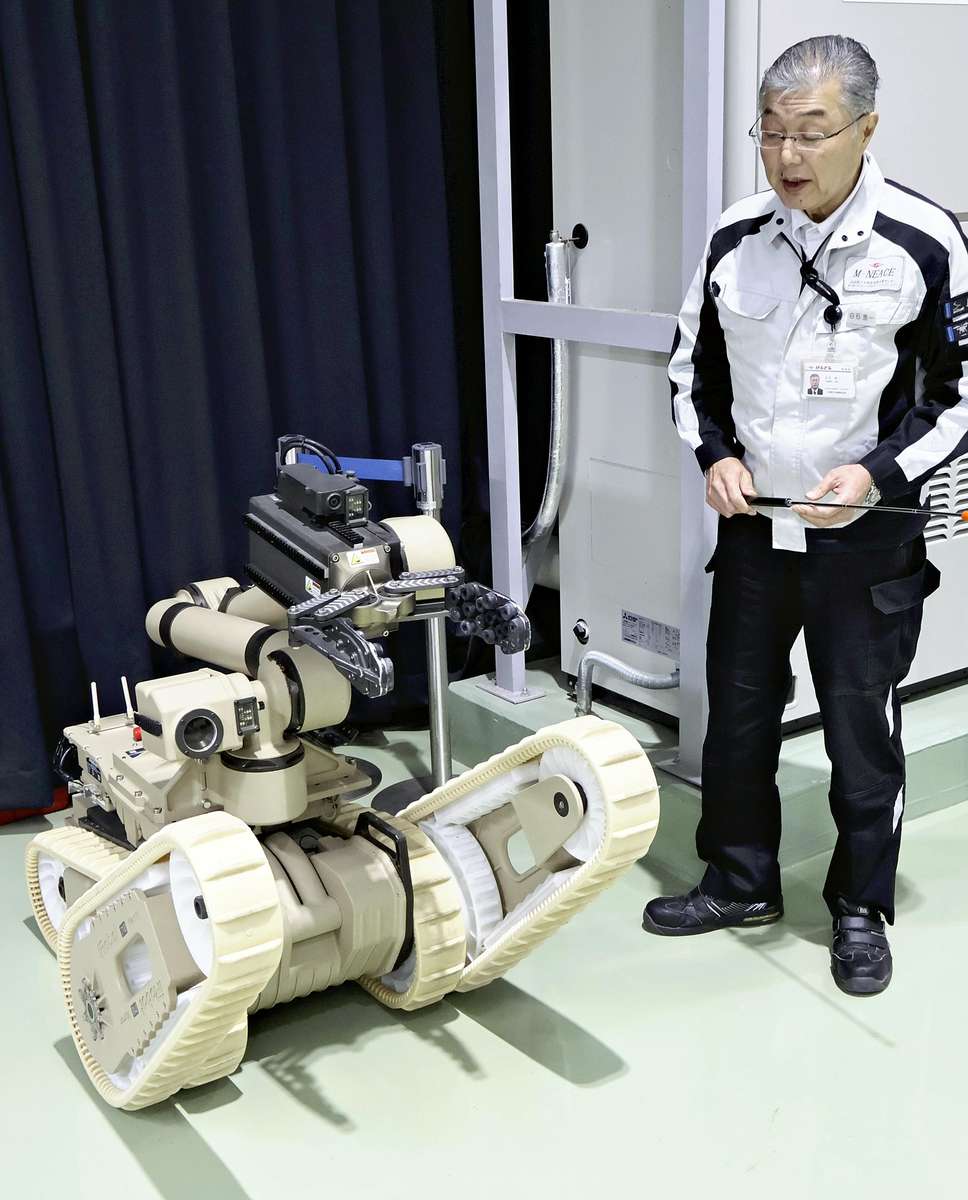
Director Koichi Shiraishi shows off a midsize remotely operated robot at the Mihama Nuclear Emergency Assistance Center in Mihama, Fukui Prefecture.
11:49 JST, March 14, 2026
MIHAMA, Fukui — In the event of critical accidents at nuclear power plants, remote-controlled robots and other machines will play an important role as they are capable of operating even in areas with high levels of radiation.
The Mihama Nuclear Emergency Assistance Center in Fukui Prefecture is the only organization in Japan that focuses on the remote operation of the machines to bring the accidents under control.
The center was established based on lessons learned following the accident in 2011 at the Fukushima No. 1 nuclear power plant and marks its 10th anniversary this year.
At the time of the Fukushima accident, high radiation levels inside reactor buildings and other on-site locations prevented staff from accessing critical areas and were unable to operate valves.
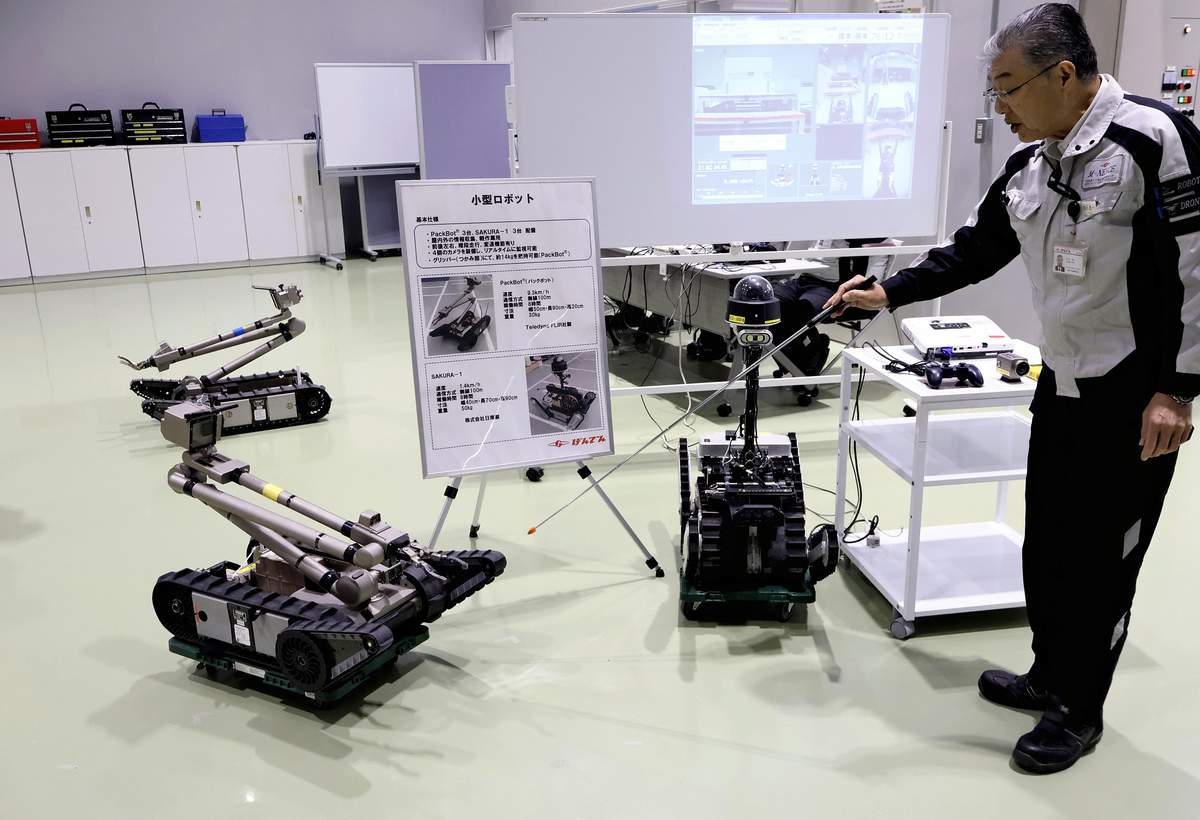
A small remotely operated robot for use in the event of a nuclear accident
This experience highlighted the need for making remotely operable robots and heavy machinery available.
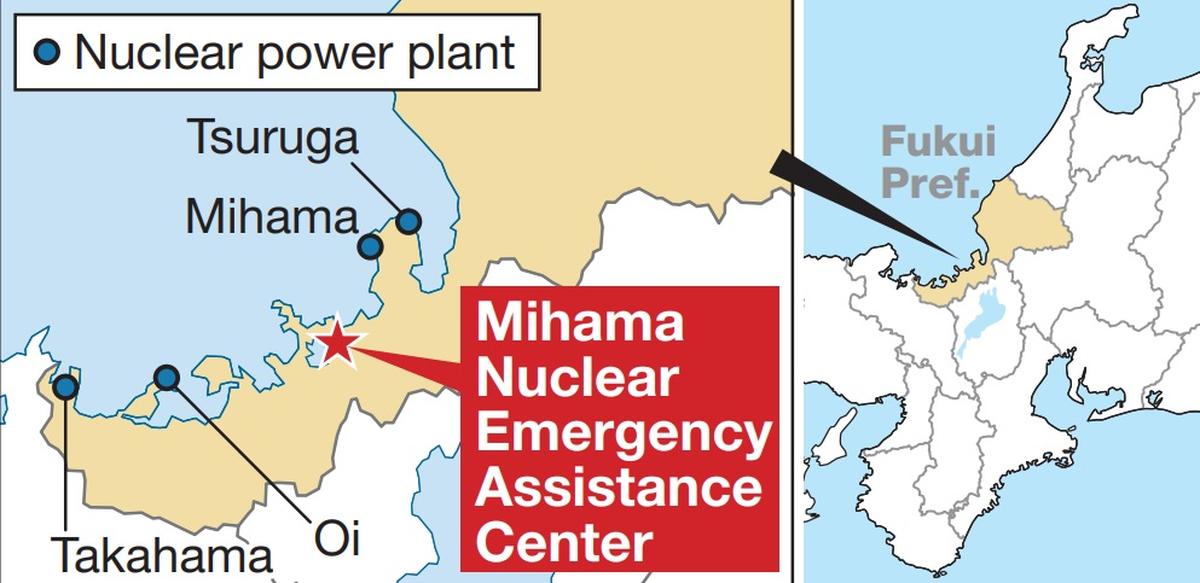
The specialized center was established in 2016 in Mihama, an area facing Wakasa Bay in southwestern Fukui Prefecture, where nuclear power plants are concentrated.
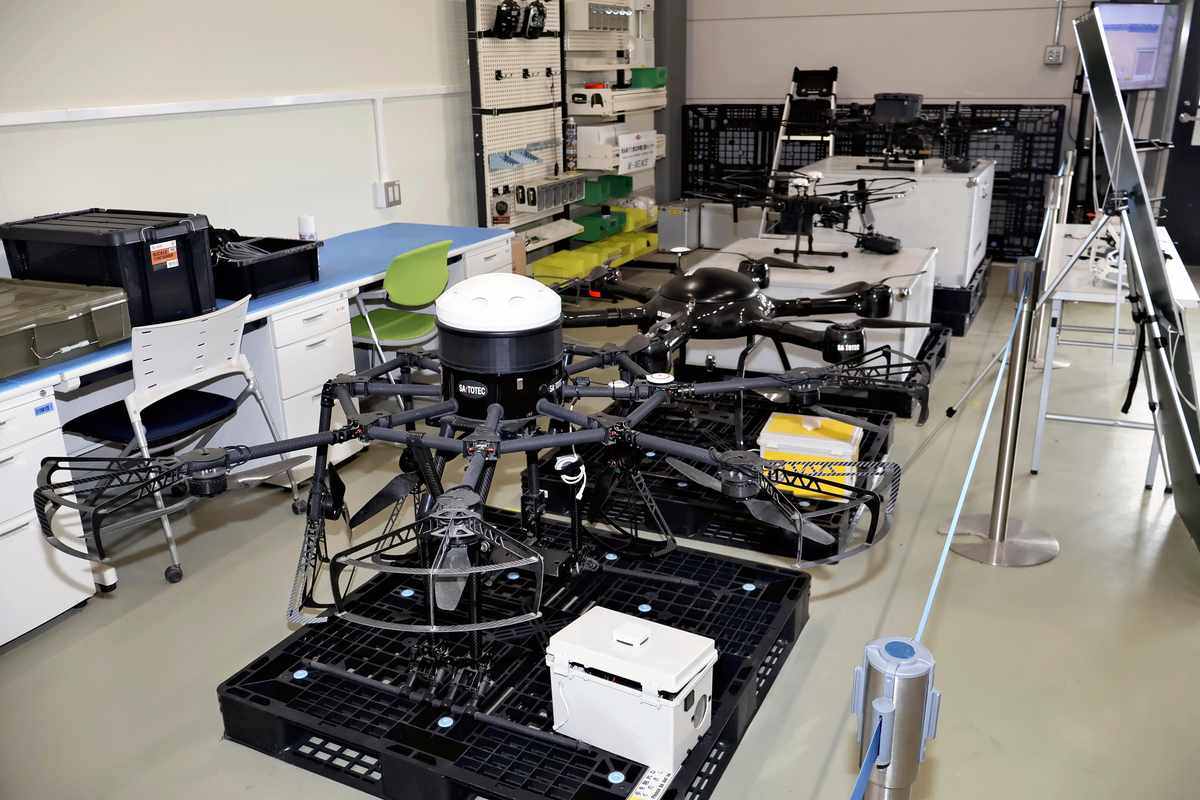
Successive drone models, which are replaced along with technological advancement
The Japan Atomic Power Co. (JAPC), which also has an office in the prefecture, operates the facility at the request of the Federation of Electric Power Companies of Japan. Funded by Japan’s nine nuclear power plant-operating firms, Japan Nuclear Fuel Ltd. among others, the center is alert around the clock so it is ready to respond at any time.
The center is staffed by 21 personnel and can deploy eight small and midsize remote-controlled robots to gather information inside and outside buildings. The robots can also remove debris. The center also has three excavators and two drones, and has its own transportation facilities consisting of two large trucks, eight midsize trucks and two vans.
The equipment is designed to clear debris to reach such things as valves, switchboards and control them.
One is a U.S.-built midsize robot that was originally developed for military applications such as landmine clearance. The 80-centimeter-wide, 140-centimeter-long, 50-centimeter-tall robot uses its arm and gripper to lift and move an object weighing up to about 100 kilograms.
Smaller robots collect information using cameras and sensors, performing delicate tasks such as using their arms to open doors. The machines can be operated from the cargo area of a radiation-shielded truck located about 100 meters away.
Training plant workers
The center’s staff keep robots, heavy machinery and drones loaded onto vehicles so they can be deployed to the site of an accident within 24 hours.
During normal times, the center provides training to nuclear plant workers on how to operate the equipment. Practical training involves remote operation of robots and other equipment in a room replicating a nuclear plant’s interior that is filled with debris and fallen steel structures.
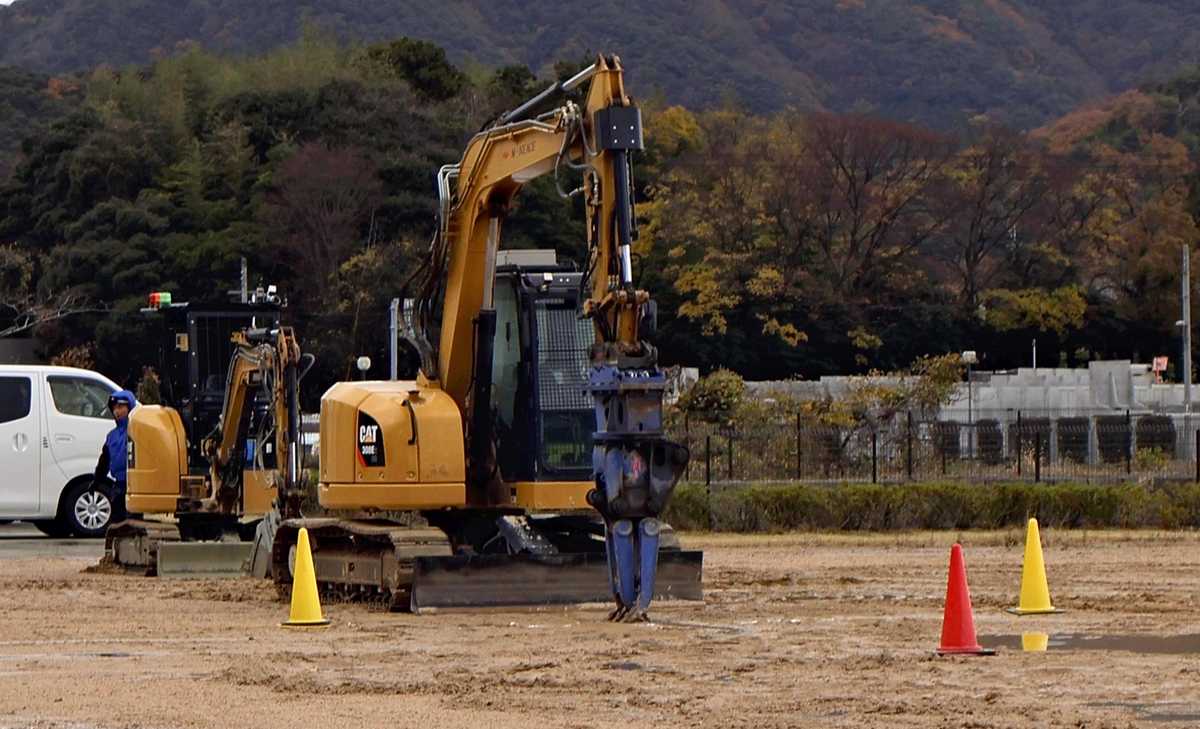
Remotely operated heavy machinery
By November, 1,464 people had completed the initial course, while a total of over 1,600 people had taken the follow-up course. In the event of an accident, the trainees may be required to operate the equipment alongside center staff.
The center also regularly conducts drills to transport equipment to nuclear power sites and facilities from Hokkaido to Kagoshima Prefecture. In the event that roads are cut off, the equipment would have to be loaded onto Self-Defense Force transport ships and helicopters and transported, so these drills aim to ensure smooth transportation.
“We certainly don’t hope for a situation where we need to be called, but we want to be fully prepared so that we can quickly resolve the incident if it does happen,” said the center’s director Koichi Shiraishi.


Related Tags




Most Read
Popular articles in the past 24 hours
-
Power Outage Forces About 980 Passengers in Yokohama to Walk to T...
-

Masako Ikeda, Voice of Maetel in ‘Galaxy Express 999,' Dies at 87
-

Japan Defense Agency to Develop AI Intelligence Analysis System f...
-

Government to Establish ‘Command Center’ for Developing Nuclear P...
-

Oil Reserve Releases: G7 Members Unite against Growing Threat
-

Milano Cortina 2026: Japan’s Momoka Muraoka Takes Silver in...
-

Paw Patrol: Larry Marks 15 Years at 10 Downing Street
-

Moai Statue Shows Lasting Bond Between Miyagi Pref. Town, Easter ...
Popular articles in the past week
-

Japan Figure Skating Legend Yuzuru Hanyu Is Proud Disaster Surviv...
-
Govt to Utilize ODA for Ensuring Economic Security; Securing Ener...
-
15 Measles Patients Confirmed in Tokyo in Past 6 Days; 1 May Have...
-
Massive Sewer Pipe Found Jutting Out of Highway in Osaka
-

Japan Govt to Tighten Requirements to Receive Permanent Residency...
-

Beckoning Cats Get Makeover to Fit Modern Lifestyles with Sleek D...
-
JR Tokai Breaks Ground on Yamanashi Maglev Station; Will Be Part ...
-

Japan's 2nd Round of U.S. Investments May Be Worth Over $100 Bill...
Popular articles in the past month
-

Producer Behind Pop Group XG Arrested for Cocaine Possession
-

Japan PM Takaichi’s Cabinet Resigns en Masse
-

Man Infected with Measles Reportedly Dined at Restaurant in Tokyo...
-

Videos Plagiarized, Reposted with False Subtitles Claiming ‘Ryuky...
-
Japan Figure Skating Legend Yuzuru Hanyu Is Proud Disaster Surviv...
-

iPS Treatments Pass Key Milestone, but Broader Applications Far f...
-

Sanae Takaichi Elected Prime Minister of Japan; Keeps All Cabinet...
-

Nepal Bus Crash Kills 19 People, Injures 25 Including One Japanes...
Top Articles in Features
-

Tokyo’s New Record-Breaking Fountain Named ‘Tokyo Aqua Symphony’
-

High-Hydration Bread on the Rise, Seeing Increase in Specialty Shops, Recipe Searches
-

Japanese Students Use Traditional Pickle to Create Novel Wagashi Confectionery
-

My Spendthrift Mother Constantly Asks Me for Money
-
Tourists Ignore Safety Barriers Near Famous Zao ‘Snow Monsters’ in Japan
JN ACCESS RANKING
-
Producer Behind Pop Group XG Arrested for Cocaine Possession
-
Japan PM Takaichi’s Cabinet Resigns en Masse
-
Man Infected with Measles Reportedly Dined at Restaurant in Tokyo Station
-
Videos Plagiarized, Reposted with False Subtitles Claiming ‘Ryukyu Belongs to China’; Anti-China False Information Also Posted in Japan
-
Japan Figure Skating Legend Yuzuru Hanyu Is Proud Disaster Survivor and Gold Medalist, Vows to Continue Support Efforts