
31 Years Since Great Hanshin Earthquake: Kobe People Share Momories of Disaster
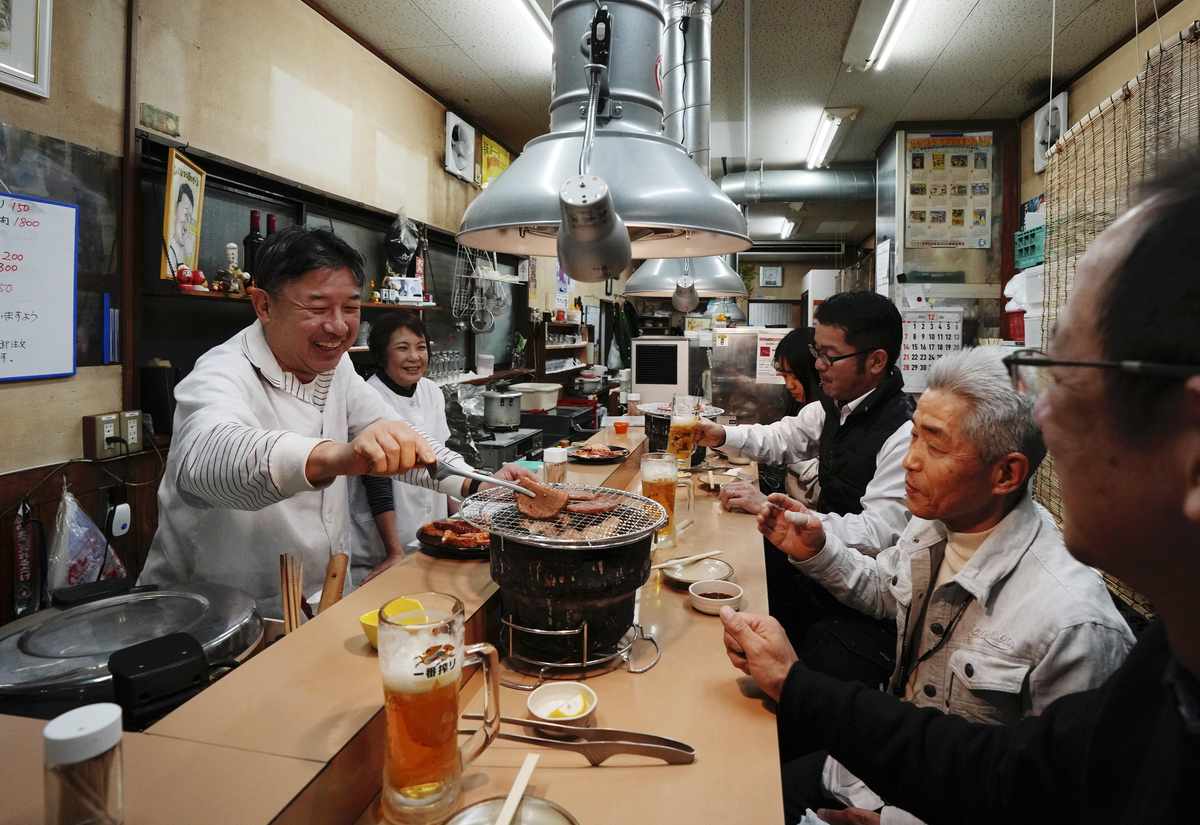 >
>Toshimitsu Ko, left, and his wife Etsuko serve customers at Fugetsu, their barbecue restaurant, in a prefab building in Hyogo Ward, Kobe, on Dec. 5.
11:02 JST, January 17, 2026
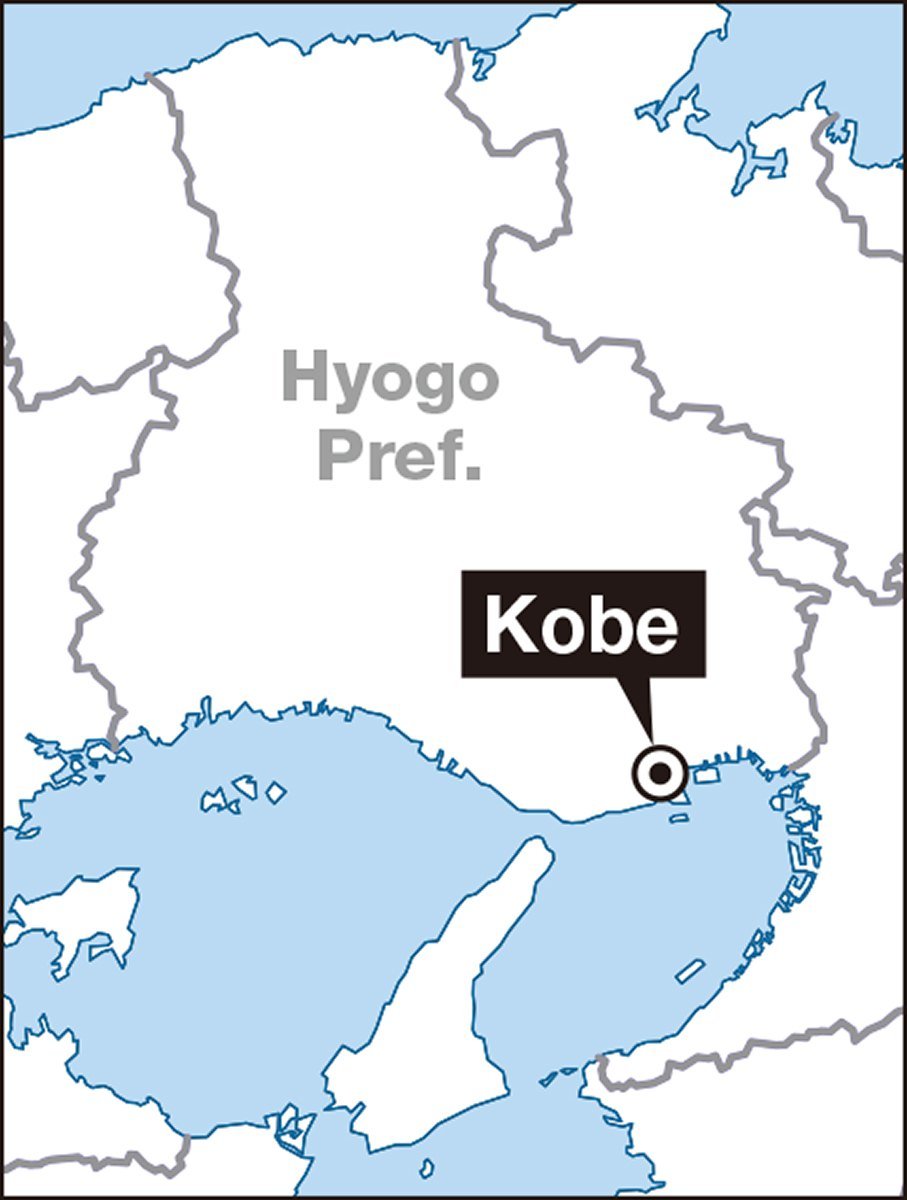
KOBE — Jan. 17 marks 31 years since the 1995 Great Hanshin Earthquake struck the Kansai region and 6,434 lives were lost. The city of Kobe has recovered from the devastating earthquake, but memories of that day still linger.
Customers sipped beer and grilled short ribs and offal on a shichirin charcoal stove at Fugetsu, a yakiniku barbeque restaurant near the Shinkaichi shopping arcade in the downtown area of Hyogo Ward, Kobe.
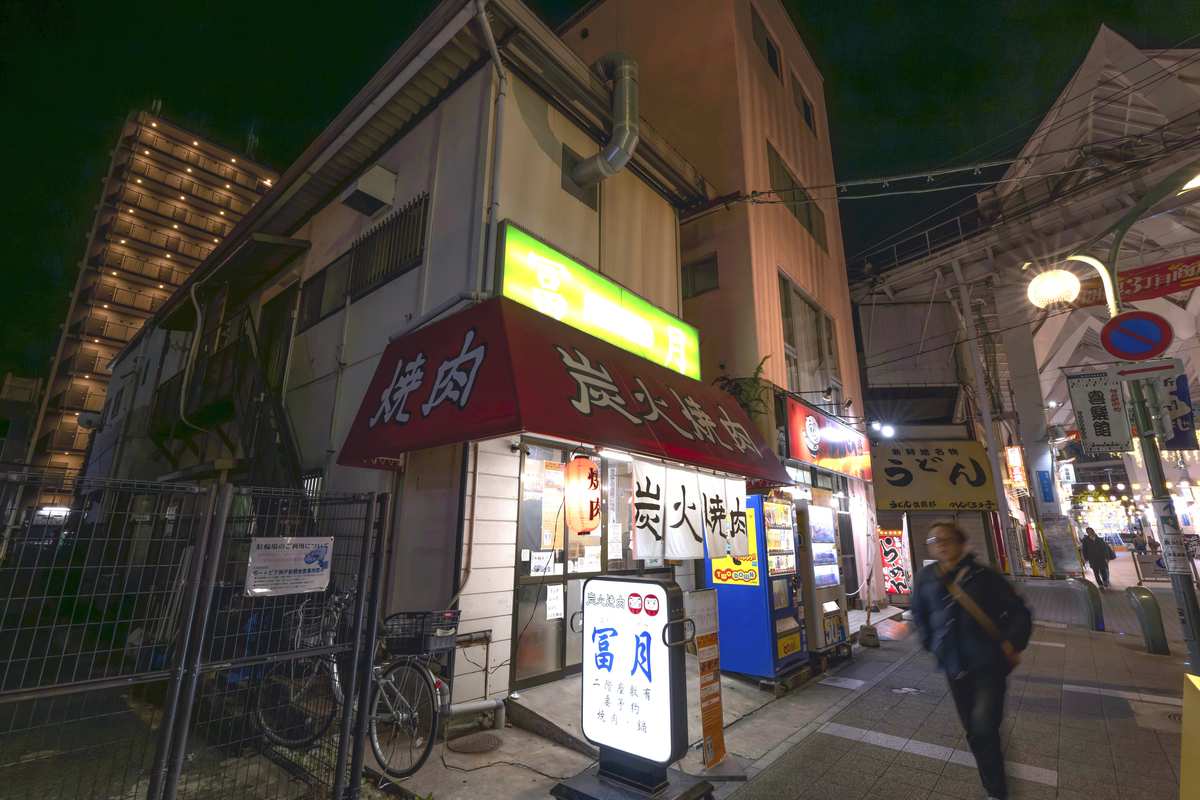
A prefab restaurant that was built as a temporary restaurant after the Great Hanshin Earthquake remains the same after more than 30 years.
About eight months after the earthquake, the restaurant opened in what was meant to be a temporary prefabricated building. However, it has continued to operate in the building since then.
In February 1995, collapsed buildings and burnt ruins could still be seen everywhere. The restaurant’s owner, Toshimitsu Ko, who is now 60, put up a sheet to act as a roof on the street in front of the damaged restaurant and laid out camping tables and chairs. Customers kept warm with a drum can bonfire. He brought sauce out of his damaged restaurant and grilled short ribs and mino beef tripe on a shichirin grill.
Ko offered meals for ¥500, taking no account of profits. “It’s delicious,” remarked a customer affected by the earthquake. “I’ve wanted to eat something like this.”
At first, he did not know where to start after the quake. About 10 years after he took over the restaurant from his parents, the earthquake occurred and the second floor of the restaurant was destroyed. After moving from shelter to shelter and from one acquaintance to another, Ko finally took the first step toward recovery as his family said to him, “At any rate, we have to move on and do business.”
Ko built a prefabricated restaurant on the site of the demolished restaurant and reopened in September 1995. Everyone in the city suffered from some form of struggle, saying such things as “Have you been all right?” and “Now I have two housing loans.”
A few years later, he converted his restaurant to a standing bar, and in 2024, converted it back to a barbecue restaurant. Ko had wanted to rebuild his restaurant eventually, but he has come this far without being able to afford it.
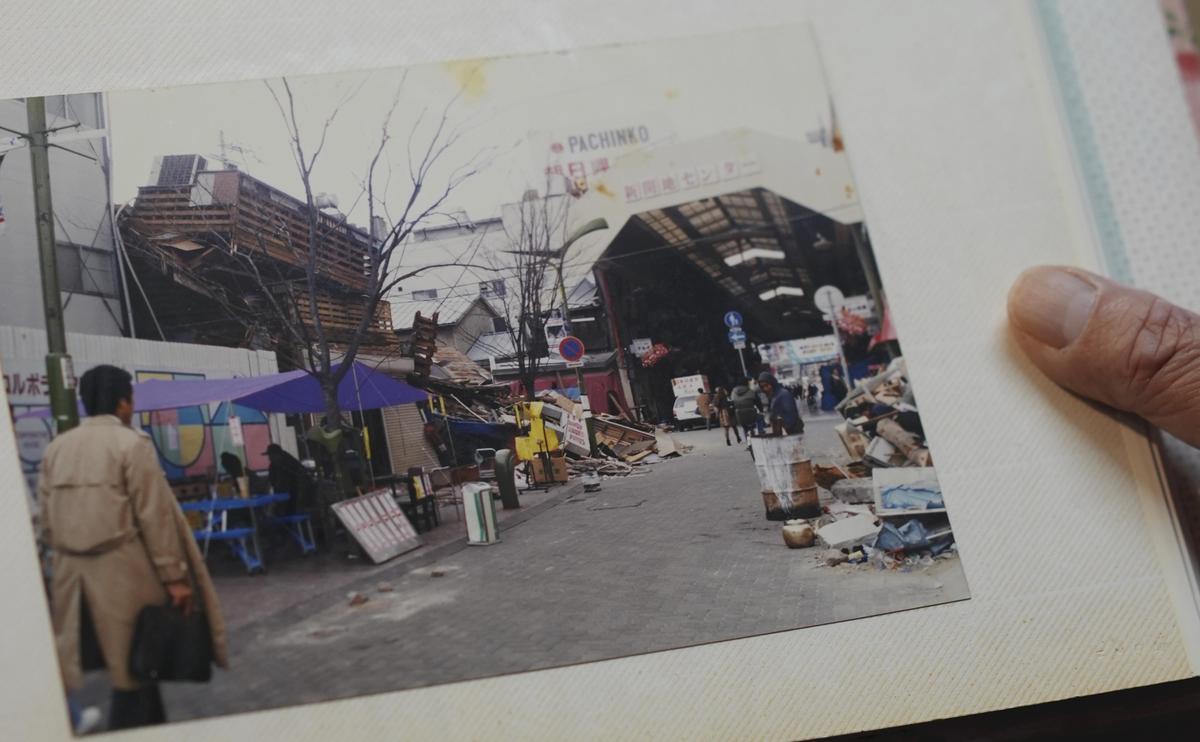
A photo taken when Ko made a fresh start following the quake.
At one time, his family of five — Ko, his wife, Etsuko, and their three children — lived on the second floor of the prefab building. “Even a light rainfall sounded like heavy rain. In winter, it was as cold inside as it was outside and I could see my breath,” Etsuko said.
They have been working on the prefab building, adding such things as insulation to the walls and rearranging the interior. Although the building shows some visible damage, Ko said with determination, “This restaurant is everything I and my wife have.”
He keeps an album of photos from when he made a fresh start at his restaurant so that customers can look at it anytime. The feelings he had on the day he vowed to make a comeback remain unchanged today.
Fresh start for ‘5:46 a.m.’
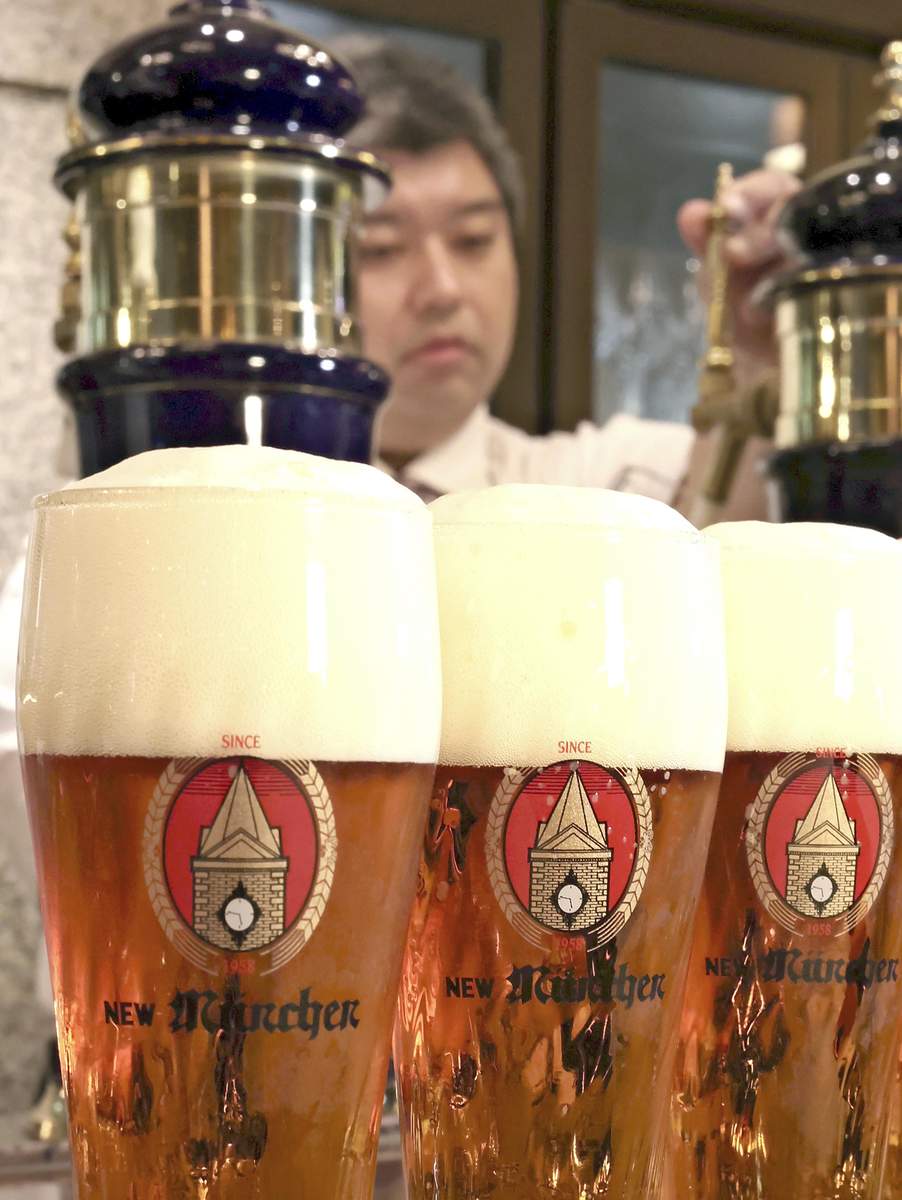
A beer glass featuring a clock tower with the hands pointing to 5:46
Beer glasses filled with amber-colored beer are brought to customers. They feature a clock tower with its hands pointing to 5:46, the time when the Great Hanshin Earthquake occurred in the early morning of Jan. 17, 1995.
At that time, the beer restaurant “New Munchen Kobe Taishikan” was located in a four-story building featuring its symbolic clock tower in Chuo Ward, Kobe. The building collapsed into a neighboring building due to the violent quake.
The company running the restaurant rebuilt the building into an eight-story one with a clock tower in the same location. The restaurant reopened in December 1996. Since then, the eatery has been serving its originally brewed beer in the 5:46 glasses with the determination to make a fresh start. The floor at the entrance and partition boards also feature a clock showing the same time.
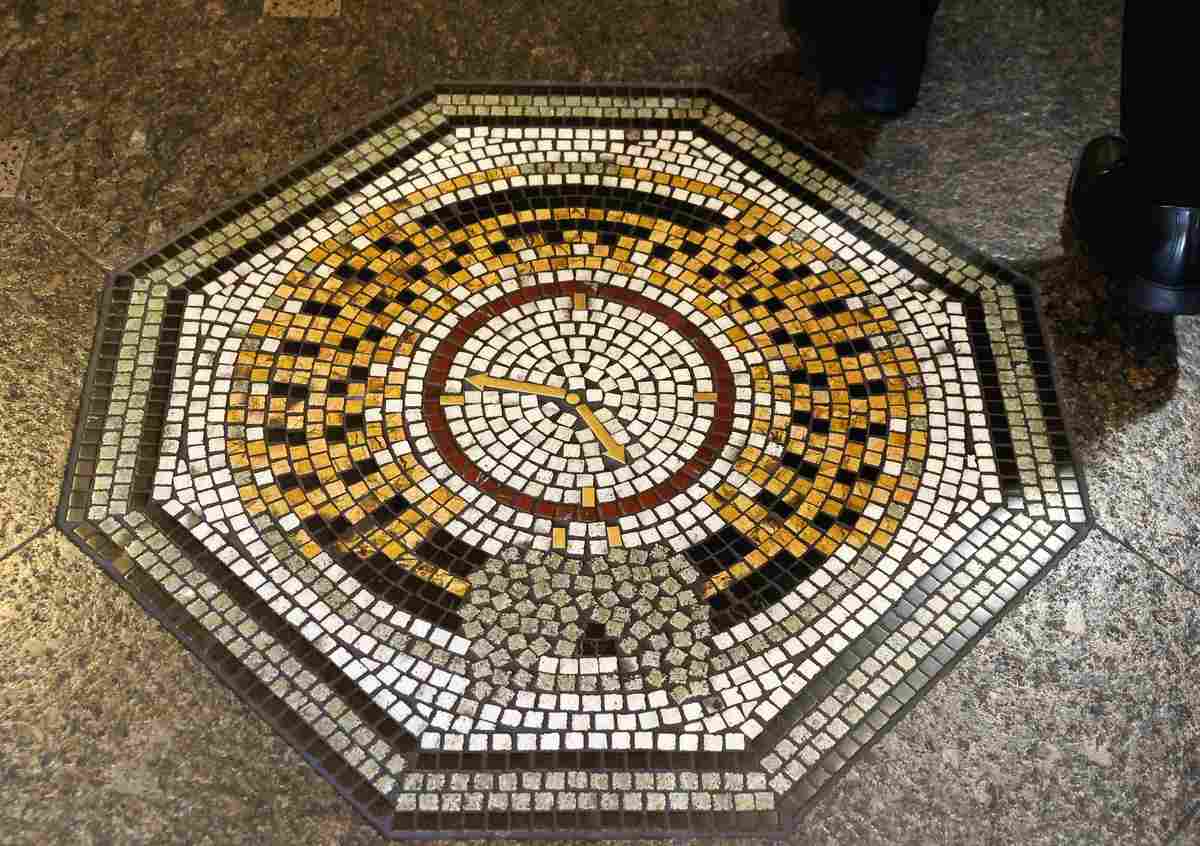
A clock showing 5:46 is featured on the floor at the restaurant’s entrance.
Takuro Domoto, 46, the restaurant manager, experienced the earthquake in Higashinada Ward, Kobe. Many customers do not notice the clock details. However, Domoto once saw a grandfather explaining the earthquake to his grandchild who asked about the clock. “I feel glad that this helps people pass the memories on to the next generations,” he said.


Related Tags

Most Read
Popular articles in the past 24 hours
-

Strait of Hormuz Closure Shakes Markets; Prolonged Closure Could ...
-

Iran Situation: Japan Must Exert Diplomatic Efforts without Merel...
-
Measles Patient Visited Hospital in Bunkyo Ward, Tokyo, Metropoli...
-
Milano Cortina 2026: Japanese Figure Skater Miura Returns to Home...
-

Takayama Among World's Top 10 Most Welcoming Cities for 2026; 2nd...
-
2 of Japan's Opposition Parties Submit Bill to Revise Political F...
-
Chiba Police to Arrest Japanese National in Midair; Man Accused o...
-
Former Nomura Securities Employee Given 18-year Prison Sentence f...
Popular articles in the past week
-
Milano Cortina 2026: Japanese Gold Medalist Figure Skater Miura S...
-
Tokyo Spends Big on Children, Wins Over Parents
-
Japan’s Miura, Kihara Announce Withdrawal from Figure Skating Wor...
-

Yokohama to Test Out Renewable-Powered Offshore Floating Data Cen...
-
BOJ Keeping Eye on Economy and Takaichi's ‘Proactive Fiscal Polic...
-
Tokyo Measles Patient Traveled to Fukuoka Aboard JAL Planes; Susp...
-
Japan’s Takaichi Speaks on New U.S. Tariff in Upper House, Says P...
-
Nidec Chairman Resigns Amid Accounting Scandal at Major Japanese ...
Popular articles in the past month
-

Producer Behind Pop Group XG Arrested for Cocaine Possession
-

Japan PM Takaichi’s Cabinet Resigns en Masse
-

Man Infected with Measles Reportedly Dined at Restaurant in Tokyo...
-

Israeli Ambassador to Japan Speaks about Japan’s Role in the Reco...
-

Videos Plagiarized, Reposted with False Subtitles Claiming ‘Ryuky...
-

Prudential Life Insurance Plans to Fully Compensate for Damages C...
-

Woman with Measles Visited Hospital in Tokyo Multiple Times Befor...
-

iPS Treatments Pass Key Milestone, but Broader Applications Far f...
Top Articles in Features
-

Tokyo’s New Record-Breaking Fountain Named ‘Tokyo Aqua Symphony’
-
Sapporo Snow Festival Opens with 210 Snow and Ice Sculptures at 3 Venues in Hokkaido, Features Huge Dogu
-

High-Hydration Bread on the Rise, Seeing Increase in Specialty Shops, Recipe Searches
-
Heirs to Kyoto Talent: Craftsman Works to Keep Tradition of ‘Kinran’ Brocade Alive Through Initiatives, New Creations
-

Maltese Pavilion’s Famous Ftira Bread Now Available in Osaka; Loaves Became Popular during 2025 Osaka-Kansai Expo
JN ACCESS RANKING
-
Producer Behind Pop Group XG Arrested for Cocaine Possession
-
Japan PM Takaichi’s Cabinet Resigns en Masse
-
Man Infected with Measles Reportedly Dined at Restaurant in Tokyo Station
-
Israeli Ambassador to Japan Speaks about Japan’s Role in the Reconstruction of Gaza
-
Videos Plagiarized, Reposted with False Subtitles Claiming ‘Ryukyu Belongs to China’; Anti-China False Information Also Posted in Japan