
Edo-Period Shop Selling Traditional Japanese Candy Found in Tranquil Temple Grounds
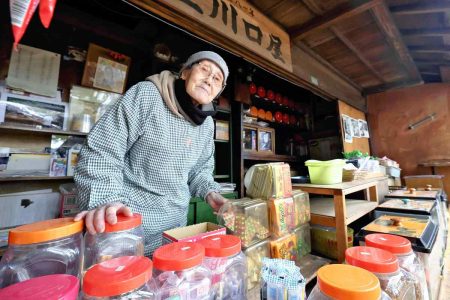
Masayo Uchiyama has welcomed customers at the shop for more than 70 years.
12:49 JST, January 13, 2026
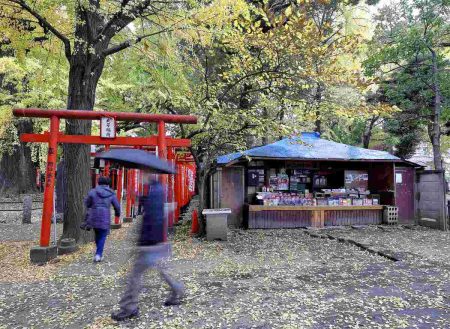
The exterior of the shop in the Kishimojin hall grounds
A short walk from Kishibojinmae Station on the Toden Arakawa Line in Tokyo brings you to Kishimojin hall, founded over 350 years ago and long revered as a temple dedicated to the deity of safe childbirth. The hall is enveloped in greenery and tranquility, and it’s hard to believe it’s in the city center. Blending into the scenery is an old shop named Kamikawaguchiya.
Founded in 1781 during the mid-Edo period as a candy shop, it later became a shop selling various dagashi, or cheap old-fashioned Japanese snacks. Masayo Uchiyama, 85, is the shop’s 13th owner. Since her adoptive mother, the previous owner, died 36 years ago, she has run the shop basically alone.
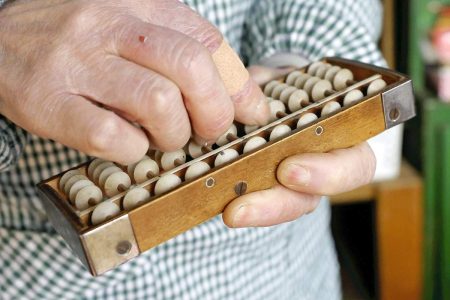
A well-used abacus is still in use today.
Uchiyama began working at the shop around age 10. Back then, she enjoyed searching for broken or unsellable dagashi. “If I found them, I could eat them myself,” she recalls, describing it as a small reward for herself. After working at a company in Tokyo, she took over the shop at her family’s request. She married at 29, and half a century passed as she worked at the shop and kept house.
According to Uchiyama, the wooden shop building was discovered by university researchers to have been built around the late Edo period. It survived war damage and is close to its original state with only repairs having been carried out. A space to serve customers from a kneeling position is said to have been created during the Edo period to keep the shopkeeper’s head low in front of visiting feudal lords.
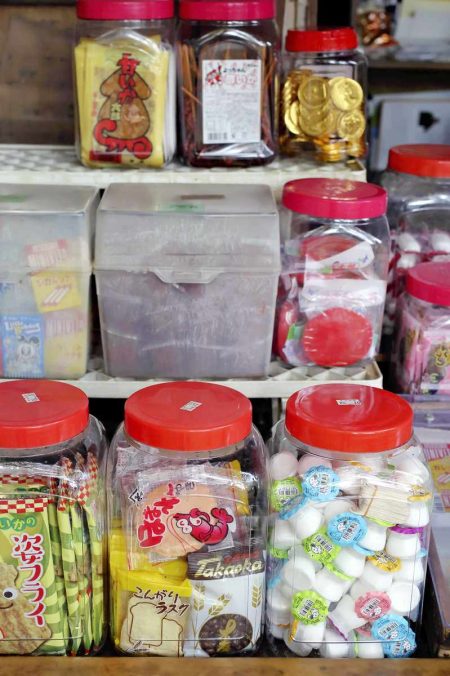
Nostalgic dagashi snacks are packed tightly in plastic cases.
On top of boxes made of paulownia wood, which are said to be over a century old, there are plastic cases filled with nostalgic childhood snacks. Popular items from its candy shop era, like chitose stick candy and yuzu candy, are no longer available since the craftsmen who made them have died. However, the selection remains rich, featuring traditional fugashi wheat gluten confectionery and puffed rice snacks alongside chocolates and savory snack foods. Though the selection varies, there are always around 80 types of colorful snacks to delight the eye.
Rising prices have increased procurement costs, making the business challenging for Uchiyama. Still, she says, “There’s joy here that you can’t buy with money, like customers greeting me. I want to keep this shop going as long as I live.”
***
Kamikawaguchiya
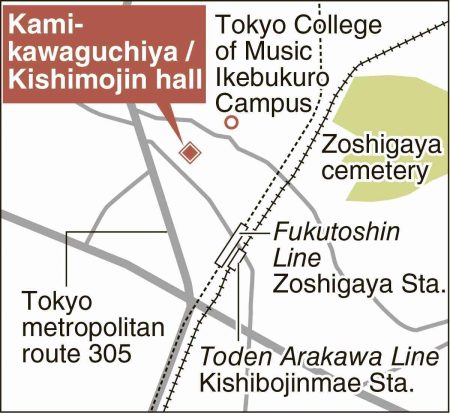
Address: 3-15-20 Zoshigaya, Toshima Ward, Tokyo (within the grounds of Zoshigaya Kishimojin hall)
Access: Five-minute walk from Zoshigaya Station on Tokyo Metro’s Fukutoshin Line; 15-minute walk from JR Ikebukuro Station’s east exit
Hours: Open 9 a.m. to 4:30 p.m. Irregular closing days


Related Tags


Most Read
Popular articles in the past 24 hours
-

Strait of Hormuz Closure Shakes Markets; Prolonged Closure Could ...
-

Iran Situation: Japan Must Exert Diplomatic Efforts without Merel...
-
Measles Patient Visited Hospital in Bunkyo Ward, Tokyo, Metropoli...
-

Milano Cortina 2026: Japanese Figure Skater Miura Returns to Home...
-

Takayama Among World's Top 10 Most Welcoming Cities for 2026; 2nd...
-

2 of Japan's Opposition Parties Submit Bill to Revise Political F...
-
Chiba Police to Arrest Japanese National in Midair; Man Accused o...
-
Former Nomura Securities Employee Given 18-year Prison Sentence f...
Popular articles in the past week
-
Milano Cortina 2026: Japanese Gold Medalist Figure Skater Miura S...
-
Tokyo Spends Big on Children, Wins Over Parents
-

Japan’s Miura, Kihara Announce Withdrawal from Figure Skating Wor...
-

Yokohama to Test Out Renewable-Powered Offshore Floating Data Cen...
-

BOJ Keeping Eye on Economy and Takaichi's ‘Proactive Fiscal Polic...
-
Tokyo Measles Patient Traveled to Fukuoka Aboard JAL Planes; Susp...
-
Japan’s Takaichi Speaks on New U.S. Tariff in Upper House, Says P...
-
Nidec Chairman Resigns Amid Accounting Scandal at Major Japanese ...
Popular articles in the past month
-

Producer Behind Pop Group XG Arrested for Cocaine Possession
-

Japan PM Takaichi’s Cabinet Resigns en Masse
-

Man Infected with Measles Reportedly Dined at Restaurant in Tokyo...
-

Israeli Ambassador to Japan Speaks about Japan’s Role in the Reco...
-

Videos Plagiarized, Reposted with False Subtitles Claiming ‘Ryuky...
-

Prudential Life Insurance Plans to Fully Compensate for Damages C...
-

Woman with Measles Visited Hospital in Tokyo Multiple Times Befor...
-

iPS Treatments Pass Key Milestone, but Broader Applications Far f...
Top Articles in Features
-

Tokyo’s New Record-Breaking Fountain Named ‘Tokyo Aqua Symphony’
-
Sapporo Snow Festival Opens with 210 Snow and Ice Sculptures at 3 Venues in Hokkaido, Features Huge Dogu
-
High-Hydration Bread on the Rise, Seeing Increase in Specialty Shops, Recipe Searches
-
Heirs to Kyoto Talent: Craftsman Works to Keep Tradition of ‘Kinran’ Brocade Alive Through Initiatives, New Creations
-
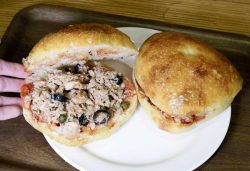
Maltese Pavilion’s Famous Ftira Bread Now Available in Osaka; Loaves Became Popular during 2025 Osaka-Kansai Expo
JN ACCESS RANKING
-
Producer Behind Pop Group XG Arrested for Cocaine Possession
-
Japan PM Takaichi’s Cabinet Resigns en Masse
-
Man Infected with Measles Reportedly Dined at Restaurant in Tokyo Station
-
Israeli Ambassador to Japan Speaks about Japan’s Role in the Reconstruction of Gaza
-
Videos Plagiarized, Reposted with False Subtitles Claiming ‘Ryukyu Belongs to China’; Anti-China False Information Also Posted in Japan