
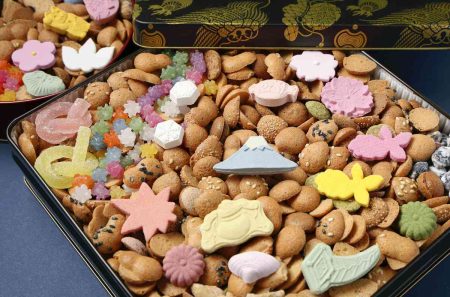
A “tokusen kan,” or special selection tin, includes various motifs like Mt. Fuji and maple leaves
17:47 JST, January 5, 2026
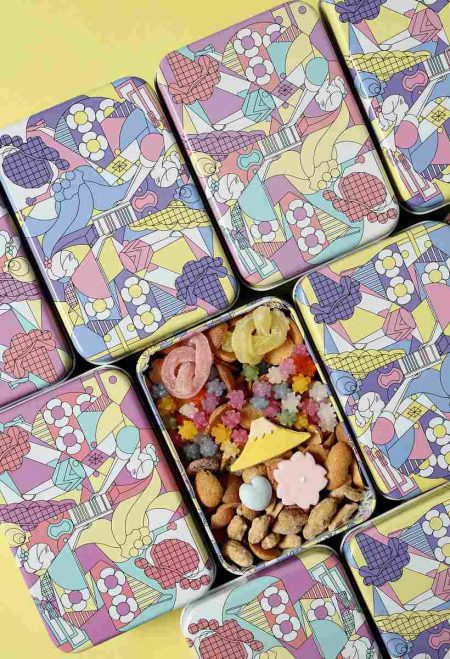
Limited edition 135th-anniversary tins produced by confectionery tin researcher Pu Nakata, among others, are scheduled to be back for sale at the shop from Feb. 3.
Mt. Fuji, manekineko beckoning cats, sea bream — opening a tin reveals over 20 varieties of snacks including Japanese-style cookies, konpeito candies and rakugan sweets packed tightly inside. The jewel-like box’s colors of red, yellow, white and green are delightfully vibrant.
Tokyo’s famous “fukiyose,” traditional Japanese crackers, were created by long-established confectioner Ginza Kikunoya and inspired by hi-gashi, traditional pressed and dried sweets. Fukiyose embody the wish to “accumulate wealth.” Founded in 1890, the shop celebrated its 135th anniversary last year.
“We add a playful touch while combining various elements,” said fifth-generation owner Yuji Ida, 50.
For example, the “tokusen kan,” or special selection tin, includes a Mt. Fuji-shaped wasanbon sugar candy in the center, surrounded by colorful konpeito candies arranged to resemble a rainbow.
Seasonal metal containers include a cherry blossom-shaped wasanbon in spring and star-shaped pieces in summer. Year-end and New Year tins have Chinese zodiac-themed designs.
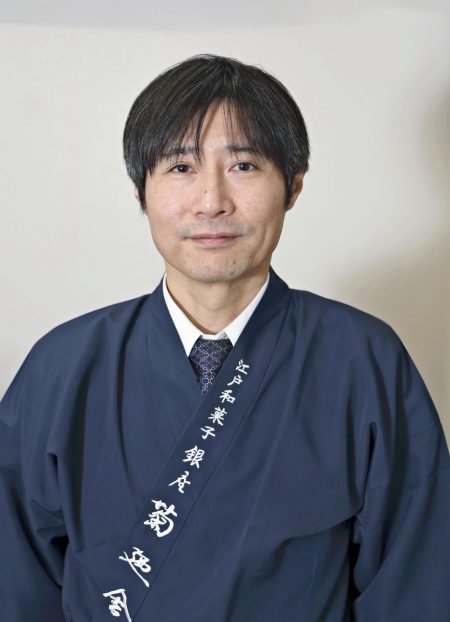
Yuji Ida
For its Japanese-style cookies, the shop uses domestic ingredients like flour from Hokkaido and eggs from Chiba Prefecture, where their factory is located. Ten flavors — including white sesame and matcha — are available. The cookies’ light texture, their key characteristic, is achieved by omitting butter.
The motifs on the tins were drawn by Hiroki Ida, Ida’s grandfather and the shop’s third-generation owner. They include an uchide no kozuchi — a legendary magical hammer — Edo Period (1603-1867) travel pouches and traditional Japanese straw hats. “Some customers use them as trinket boxes. This design helps people remember Kikunoya,” Ida said.
Many purchase fukiyose to enjoy the flavors and colors with family and friends, but the confectioneries are also extremely popular as gifts. Customers can add messages to the sweets, and in fiscal 2022, the shop was honored with a Nippon Omiyage Award, chosen by the land, infrastructure, transport and tourism minister.
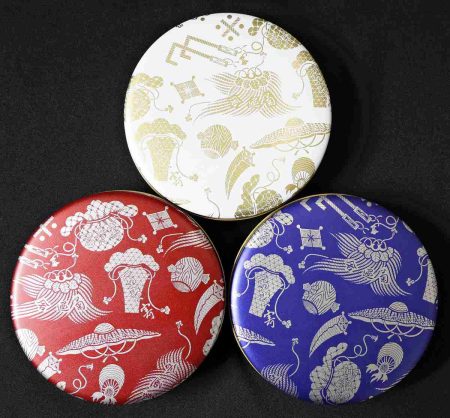
The designs of the tins are very popular, with some people using the containers to store small items.
While establishing a dedicated factory to enhance productivity and quality, the shop incorporates ideas into product development from employees’ interactions with customers. “We want to pursue wagashi Japanese traditional sweets that bring happiness not only to the recipient but also to the giver,” he said.
Ida was born in Tokyo in 1975. After graduating from Tamagawa University’s College of Humanities, he joined Ginza Kikunoya. He worked there for eight years before leaving to spend five years at an IT-related company.
He returned to Kikunoya in 2011 to hone his skills as a wagashi artisan. He became its representative in 2014. Ida shifted the main product line from easily perishable wagashi to fukiyose and focused on online sales.
Fried manju sold only at shop
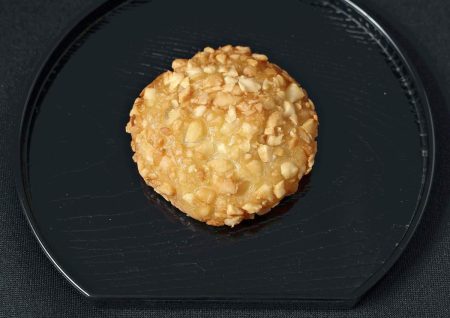
Fried manju
The store-exclusive fried manju is generously coated with crumbled macadamia nuts, offering a crispy texture and nutty aroma.
Tsunemichi Ida, Ida’s father and the fourth-generation owner, created the fried manju after he was invited to Queensland, Australia. People in Australia had just started cultivating azuki red beans, so Ida’s father sought to make wagashi more accessible to foreigners who might not like Japan’s sweet bean paste. Now it’s popular with foreign tourists visiting Japan and pairs well with sake.
The shop also offers seasonal wagashi such as sakura mochi. It holds monthly wagashi-making classes to deepen the staff’s connection with customers.









Most Read
Popular articles in the past 24 hours
-
JR Tokai Breaks Ground on Yamanashi Maglev Station; Will Be Part ...
-
‘King Kazu’ Discusses His Connection to Fukushima
-

Japan’s Gunma Official Suspended For Unauthorized Absence From Wo...
-

Milano Cortina 2026: Japan’s Alpine Skier Muraoka Extends P...
-
Rising Kabuki Star Works to Ensure Deaf Audience's Enjoyment of P...
-

Lady Bess: Iroha Okuda, Mayuko Kominami Discuss Performing Elizab...
-

Trump Discourages Iranian Soccer Team from Attending the World Cu...
-

Driver Dies in Collision with Express Train at Crossing in Mito; ...
Popular articles in the past week
-

Japan Figure Skating Legend Yuzuru Hanyu Is Proud Disaster Surviv...
-

Nippon Life Insurance's U.S. Arm Sues OpenAI Over Legal Assistanc...
-
Govt to Utilize ODA for Ensuring Economic Security; Securing Ener...
-

Massive Sewer Pipe Found Jutting Out of Highway in Osaka
-
15 Measles Patients Confirmed in Tokyo in Past 6 Days; 1 May Have...
-
Beckoning Cats Get Makeover to Fit Modern Lifestyles with Sleek D...
-

Japan Govt to Tighten Requirements to Receive Permanent Residency...
-
Japan Govt Survey Finds Just 10% of Workers Want Working Hours to...
Popular articles in the past month
-

Producer Behind Pop Group XG Arrested for Cocaine Possession
-

Japan PM Takaichi’s Cabinet Resigns en Masse
-

Man Infected with Measles Reportedly Dined at Restaurant in Tokyo...
-

Videos Plagiarized, Reposted with False Subtitles Claiming ‘Ryuky...
-
Japan Figure Skating Legend Yuzuru Hanyu Is Proud Disaster Surviv...
-

iPS Treatments Pass Key Milestone, but Broader Applications Far f...
-

Sanae Takaichi Elected Prime Minister of Japan; Keeps All Cabinet...
-

Nepal Bus Crash Kills 19 People, Injures 25 Including One Japanes...
Top Articles in Society
-
Producer Behind Pop Group XG Arrested for Cocaine Possession
-
Man Infected with Measles Reportedly Dined at Restaurant in Tokyo Station
-

Bus Carrying 40 Passengers Catches Fire on Chuo Expressway; All Evacuate Safely
-

Ibaraki Pref.’s 1st Foreign Bus Driver Hired in Tsukuba
-

Tokyo Skytree’s Elevator Stops, Trapping 20 People; All Rescued (Update 1)
JN ACCESS RANKING
-
Producer Behind Pop Group XG Arrested for Cocaine Possession
-
Japan PM Takaichi’s Cabinet Resigns en Masse
-
Man Infected with Measles Reportedly Dined at Restaurant in Tokyo Station
-
Videos Plagiarized, Reposted with False Subtitles Claiming ‘Ryukyu Belongs to China’; Anti-China False Information Also Posted in Japan
-
Japan Figure Skating Legend Yuzuru Hanyu Is Proud Disaster Survivor and Gold Medalist, Vows to Continue Support Efforts