

Coltrane Coltrane in Tosu, Saga Prefecture
2:00 JST, December 29, 2025
From the sound and atmosphere to the owners’ passion and dedication, everything about jazz kissa captivated the mind of Philip Arneill.
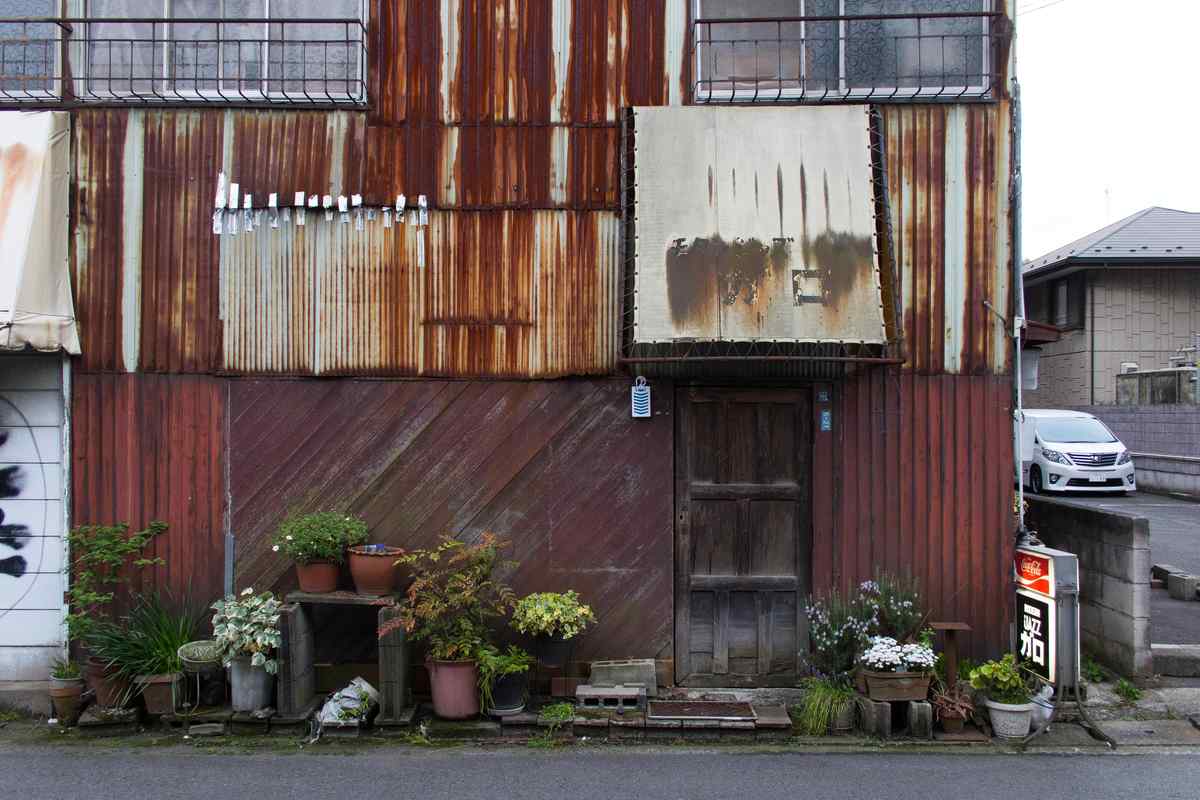
Mesmerized by these Japanese bars and cafes where visitors immerse themselves in jazz tunes, the Belfast-born photographer embarked on a project to document jazz kissa.
“There’s a magic about them I think that’s really hard to re-create and has to be experienced by yourself or has to be experienced firsthand in person,” Arneill told The Japan News.
Although he has now returned to Northern Ireland, Arneill lived in Japan for about 20 years. He launched his project in 2015, visiting more than 270 jazz joints.
From Hokkaido to Kagoshima Prefecture, some of the images he shot for the project were made into the photo book “Tokyo Jazz Joints.” Released by a German publisher in 2023, the book is now in its fourth edition and is said to have reached more than 65 countries. Earlier this year, the Japanese version was also published.
The book’s staying power came as a surprise — even to the photographer himself.
Arneill believes “an alternative” offered at jazz kissa — a cultural niche said to be unique to Japan — makes the places special in this restless world, where people are exhausted by digital culture, with so much of their time and concentration being consumed by apps and platforms.
“Japan is a country where you can still find silence. People are comfortable with silence, and these spaces are created to focus on the music,” Arneill said of jazz kissa in Japan. “They’re all about slowing down and switching off and stopping what you’re doing and just sitting, having a drink, having a coffee and listening to music, and I think that’s something that we don’t really do anymore.”
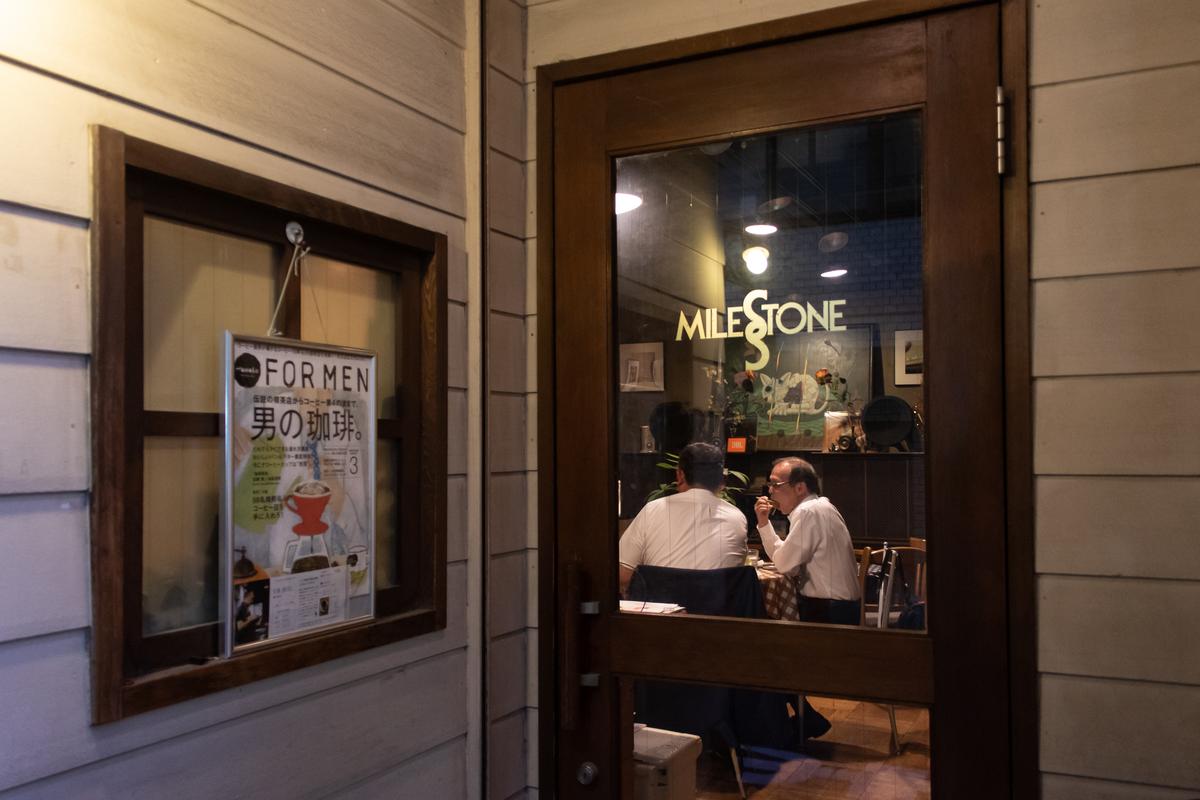
Left: Milestones in Shinjuku Ward, Tokyo (now closed)
Right: Garo in Kawasaki, Kanagawa Prefecture
This “lost art,” as he calls it, has always been preserved in jazz kissa. Unfortunately, aging owners and the diversification of ways to listen to music have put some businesses on a downward trend. This has driven Arneill in his pursuit of the project.
“That does interest me, documenting places before they change and documenting places as they change. I’m very interested in that idea of a diminishing culture — something that’s vanishing — whether it’s because of demographic change in society, [or] maybe it’s to do with things like gentrification,” he said.
For Arneill, who moved to Ireland in 2017, photography serves as a visual diary and a means of documenting personal experience. Some of his projects exhibit this approach.
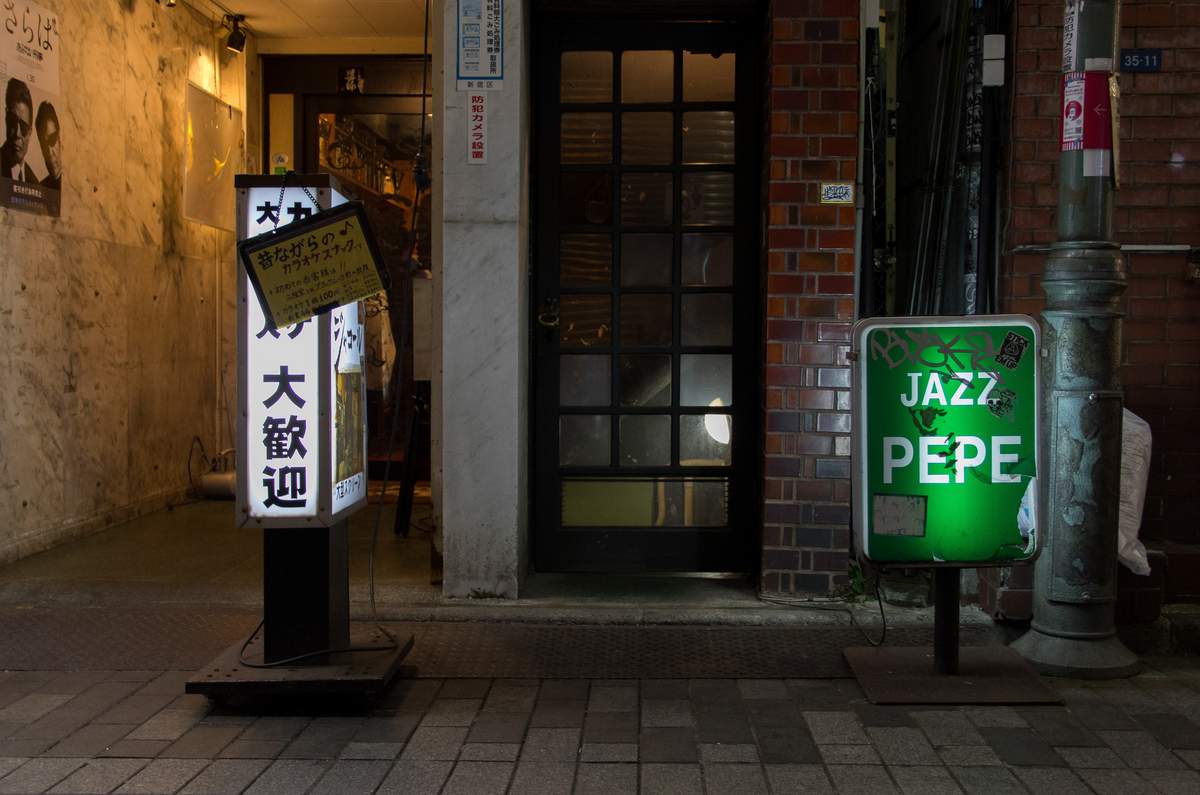
Jazz Pepe in Shinjuku Ward, Tokyo (now closed)
In the work “CoviDublin,” he captured scenes of the Irish capital during a nationwide lockdown triggered by the COVID-19 pandemic. He was allowed to go out only within a two-kilometer radius of his home. A deserted street under a serene blue sky and a closed church entrance became common scenes as the world was facing unprecedented challenges. Now, all those sights are part of modern history.
For “Disappearing,” Arneill shot facades of businesses in the rapidly changing, bustling Dublin before the pandemic. Among them is an outlet of The Irish Yeast Co. — a familiar shopfront to many Dubliners — but it was closed down after more than 100 years of history. Some stores are missed greatly, and others disappeared unnoticed.
Between two homes
Arneill returned to his hometown in Northern Ireland in 2021. His time in Japan — a country physically and psychologically far from Belfast — has given him fresh insights into the city.
“Growing up in Northern Ireland, it was a kind of a cauldron, very claustrophobic,” he recalled, describing Belfast as a very political place even now. “Then you go to Japan, and it gives you the benefit of distance. So, you can look back and see Northern Ireland with a different perspective.”
Arneill is currently working on a project to photograph the architecture of Orange Halls, which he describes as buildings used as meeting places for a Protestant organization known as the Orange Order.

The cover of the photo book “Tokyo Jazz Joints”
“I’m photographing the exteriors as a kind of a metaphor or as a way of looking at my own inherited Protestant identity,” he said, elaborating on it as “an identity that you grow up with and are born into, but don’t necessarily subscribe to or follow as an adult yourself.”
Now, he sees Belfast as a different place from the one he grew up in, while Japan feels like his home. Sensing “an interesting kind of tension between those two,” he continues his photography, most of which is centered on the ideas of identity and belonging and what they really mean.
The Tokyo Jazz Joints project is also ongoing. Under the low gray sky of Belfast, Arneill is planning his next trip to Japan. In a country where he found belonging, he will document more jazz kissa and the lost art while it is still alive in them.
To find out more about Arneill’s work, visit www.philiparneill.com


Popular Articles
Popular articles in the past 24 hours
-
◎竹増ローソン社長インタビュー〔1〕_20251228YGTGS000198_C-250x166.jpg)
Convenience Store Chain Lawson May Start OTC Drug Delivery in 202...
-

¥122 Tril. Budget for FY26 Fails to Dispel Market Concerns; Curb ...
-

Japanese Intelligence Agency to Screen Foreign Investments, as Go...
-

Japanese Chef of Italian Restaurant in Tokyo Offers Milanese Riso...
-

Museum Mile Wins Arima Kinen; Cosmo Kuranda Comes in 2nd, Danon D...
-
News Photo Exhibition Opens at Ginza Mitsukoshi Department Store,...
-

Electoral Reform: It Is Crucial to Emphasize Political Stability
-

Takaichi Starts Year-End Holidays, Plans Move to PM Official Resi...
Popular articles in the past week
-

Immersive Fort Tokyo to Close After Less Than 2 Years; Theme Park...
-
-250x167.jpg)
Japan Eyes Plan to Accept Up To 1.23 Mil. Foreign Workers by End ...
-

Chinese Foreign Ministry Criticizes Japan’s Largest Ever Defense ...
-

UPDATE 1: Man Arrested After Mass Stabbing at Factory in Japan's ...
-

Japan's H3 Rocket Failed in Latest Launch, Says Official
-

UPDATE 6: Massive Pileup in Gunma Pref. Kills 2, Injures 26; Slip...
-
‘Kokuho’ Creates Opening for Japan's Film Industry with Lavish De...
-

Suntory to Halt Jim Beam Distillery in Kentucky for Year
Popular articles in the past month
-

Tokyo Economic Security Forum to Hold Inaugural Meeting Amid Tens...
-

Keidanren Chairman Yoshinobu Tsutsui Visits Kashiwazaki-Kariwa Nu...
-

Imports of Rare Earths from China Facing Delays, May Be Caused by...
-

University of Tokyo Professor Discusses Japanese Economic Securit...
-
Japan Pulls out of Vietnam Nuclear Project, Complicating Hanoi's ...
-

Govt Aims to Expand NISA Program Lineup, Abolish Age Restriction
-

U.S. Senate Resolution Backs Japan, Condemns China's Pressure
-
M4.9 Earthquake Hits Tokyo, Neighboring Prefectures
"Culture" POPULAR ARTICLE
-
Popularity of Piggy Banks Across Time and Place Seen at Bank’s Museum of Money Boxes in Hyogo Pref.
-

‘The World Masterpiece Theater Series’ Celebrates 50 Years; Animator Looks Back on Creating Anime Classics
-
‘Kokuho’ Creates Opening for Japan’s Film Industry with Lavish Depiction of Kabuki
-
Exhibition Featuring Dog Figurines Donated by Princess Hisako of Takamado Opens in Aichi Prefecture; Princess Attends Ahead of Opening
-

Kimetsu No Yaiba Film Nominated For Golden Globe; Winners to Be Announced on January 11
JN ACCESS RANKING
-
Tokyo Economic Security Forum to Hold Inaugural Meeting Amid Tense Global Environment
-
Keidanren Chairman Yoshinobu Tsutsui Visits Kashiwazaki-Kariwa Nuclear Power Plant; Inspects New Emergency Safety System
-
Imports of Rare Earths from China Facing Delays, May Be Caused by Deterioration of Japan-China Relations
-
University of Tokyo Professor Discusses Japanese Economic Security in Interview Ahead of Forum
-
Japan Pulls out of Vietnam Nuclear Project, Complicating Hanoi’s Power Plans