
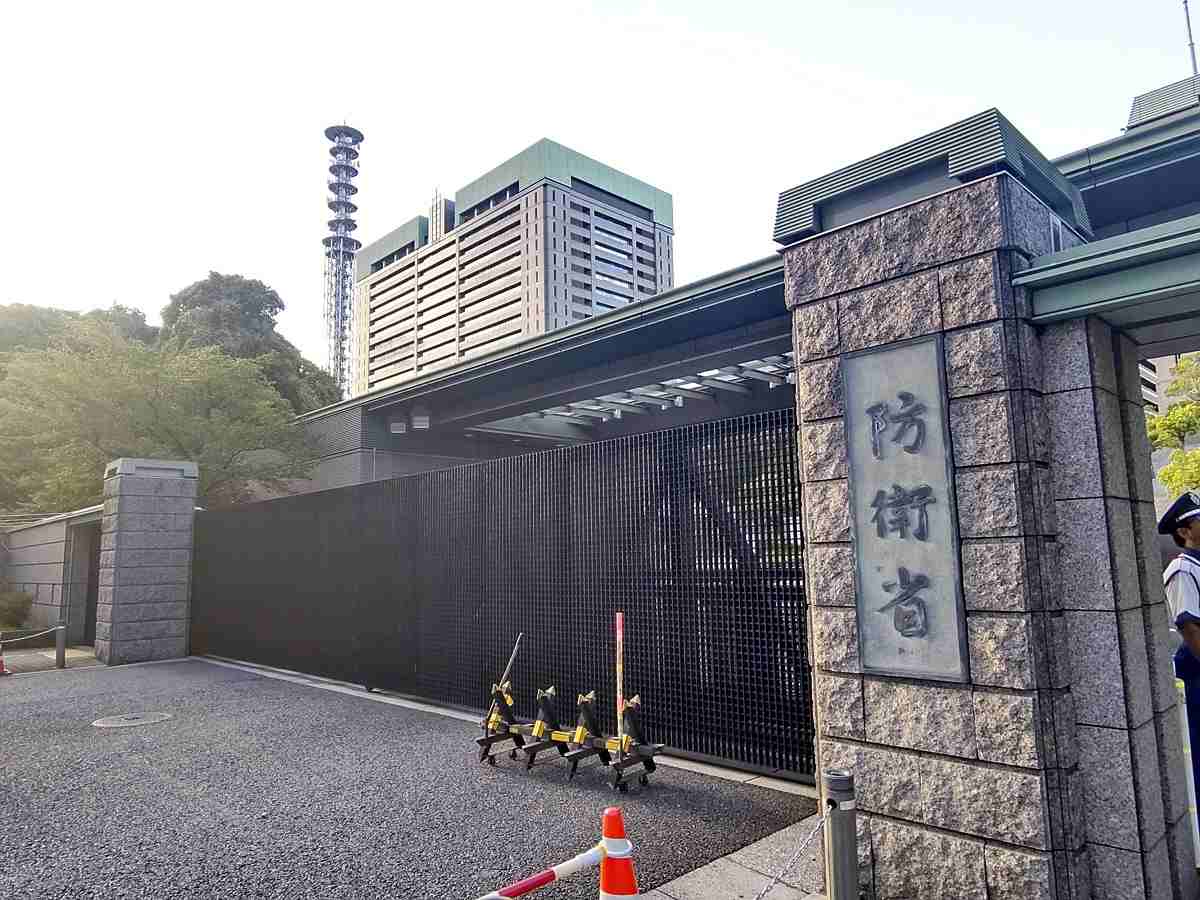
The Defense Ministry
15:04 JST, December 12, 2025
A draft of guidelines on how authorities will implement measures as part of Japan’s active cyber defense to neutralize servers behind a cyberattack was presented at a Liberal Democratic Party meeting on Monday.
Under the draft, serious cases that could merit an “intrusion and neutralization” response — such as attacks from overseas servers — would be reviewed in advance by the National Security Council (NSC). The roles of the police and the Self-Defense Forces have also been clarified.
Active cyber defense is meant to strengthen Japan’s cyber response capabilities in three areas: public-private cooperation, monitoring communications data, and intrusion and neutralization. The related legislation is being implemented in stages. With the provisions for the third area scheduled to take effect as early as October of next year, the government is moving ahead with drafting operational guidelines.
According to the draft, the NSC would review such matters as attacks from overseas servers and attacks targeting systems of the SDF or U.S. Forces Japan. Attacks originating from domestic servers will also be subject to review if they affect national security.
In the event of a cyberattack, the NSC will convene a meeting with the prime minister, the chief cabinet secretary, the foreign minister, the defense minister, the minister in charge of cybersecurity and other relevant people to discuss whether the measures are appropriate. Once approved, the National Police Agency or the SDF would remotely log into the target server by exploiting its vulnerabilities and neutralize it such as by deleting attack programs.
Incidents involving overseas servers will be handled either jointly by the police and the SDF or solely by the police. Cases involving the SDF or U.S. Forces Japan will fall under the SDF’s responsibility.
An independent body, the cyber communications information oversight commission, is also set to be established in April to oversee the system’s operation.



Most Read
Most read in the last 24 hours
-

Princess Aiko Enjoys Imperial Court Music, Dance; Production, Cos...
-

Shifts Startup Focus to Nurturing Global Winners
-

Mother Supports My Sister Too Much, Gives Her Kids Much More Than...
-

Bibimbap with Spring Vegetables and Asari Clam Miso a Rich Taste ...
-

Umami History: Kyoto Chef Murata Worked to Share Japan’s Scientif...
-

Appeal of Japanese Food: Make Good Use of ‘Discoveries’ by People...
-

Okinawa Gubernatorial Election: Candidates Should Advocate Realis...
-

Official App to Help Startups Meet Other Participants
Most read in the last 7 days
-
Earthquake Hits Japan's Tohoku Region; 3-meter Tsunami Warning Is...
-

China, South Korea Object to Japanese PM Takaichi's Ritual Offeri...
-

Trump Extends the Ceasefire with Iran but Keeps the Blockade
-

India's Arms Indigenization Quest for Self-Reliance / New Delhi S...
-

¥1,000 Coins to Be Issued to Mark Anniversary of Beginning of Jap...
-

Most Serious Cyberattacks against the UK Now from Russia, Iran an...
-

Trump Opposes United–American Merger, Signals Support for Spirit
-

System Malfunction in Haneda Airport Causes 83 Flight Cancelation...
Most read in the last 30 days
-
Earthquake Hits Japan's Tohoku Region; 3-meter Tsunami Warning Is...
-
Police Find Child's Shoe During Search for Missing Boy in Nantan,...
-
Body Found in Nantan, Kyoto Prefecture, During Search for 11-Year...
-
China, South Korea Object to Japanese PM Takaichi's Ritual Offeri...
-

Cherry Blossoms, Rapeseed Flowers Perform Colorful ‘Duet’ in Niig...
-
Trump Extends the Ceasefire with Iran but Keeps the Blockade
-

Olympic Gold Medal-Winning Figure Skaters Riku-Ryu Announce Retir...
-
Japanese Prime Minister Takaichi Speaks to Pakistani Prime Minist...
Top Articles in Politics
-
India’s Arms Indigenization Quest for Self-Reliance / New Delhi Sticks to Its ‘All-Alignment’ Guns Even after Iran Warship Attack
-
Japan Aims to Enhance Deterrence, Defense Industry by Allowing Exports of Weapons
-

Former Japan PM Murayama’s Farewell Ceremony Held; Former Deputy PM Kono Vows to ‘Carry on Path Toward Peace’
-

Govt May Revise Law to Allow Export of Defense Equipment for Free
-
Japan Monitoring Situation Surrounding Revocation of Taiwan President’s Flight Permit by 3 Island Countries
JN ACCESS RANKING
-
Earthquake Hits Japan’s Tohoku Region; 3-meter Tsunami Warning Issued (Update 1)
-
Police Find Child’s Shoe During Search for Missing Boy in Nantan, Kyoto Prefecture
-
Body Found in Nantan, Kyoto Prefecture, During Search for 11-Year-Old Boy in Area (Update 1)
-
China, South Korea Object to Japanese PM Takaichi’s Ritual Offering to Yasukuni Shrine
-
Cherry Blossoms, Rapeseed Flowers Perform Colorful ‘Duet’ in Niigata
Most read in the last 24 hours
-
Princess Aiko Enjoys Imperial Court Music, Dance; Production, Cos...
-
Shifts Startup Focus to Nurturing Global Winners
-
Mother Supports My Sister Too Much, Gives Her Kids Much More Than...
-
Bibimbap with Spring Vegetables and Asari Clam Miso a Rich Taste ...
-
Umami History: Kyoto Chef Murata Worked to Share Japan’s Scientif...
Most read in the last 7 days
-
Earthquake Hits Japan's Tohoku Region; 3-meter Tsunami Warning Is...
-
China, South Korea Object to Japanese PM Takaichi's Ritual Offeri...
-
Trump Extends the Ceasefire with Iran but Keeps the Blockade
-
India's Arms Indigenization Quest for Self-Reliance / New Delhi S...
-
¥1,000 Coins to Be Issued to Mark Anniversary of Beginning of Jap...
Most read in the last 30 days
-
Earthquake Hits Japan's Tohoku Region; 3-meter Tsunami Warning Is...
-
Police Find Child's Shoe During Search for Missing Boy in Nantan,...
-
Body Found in Nantan, Kyoto Prefecture, During Search for 11-Year...
-
China, South Korea Object to Japanese PM Takaichi's Ritual Offeri...
-
Cherry Blossoms, Rapeseed Flowers Perform Colorful ‘Duet’ in Niig...