
Upper House Election: Voting Underway in Japan’s Upper House Election
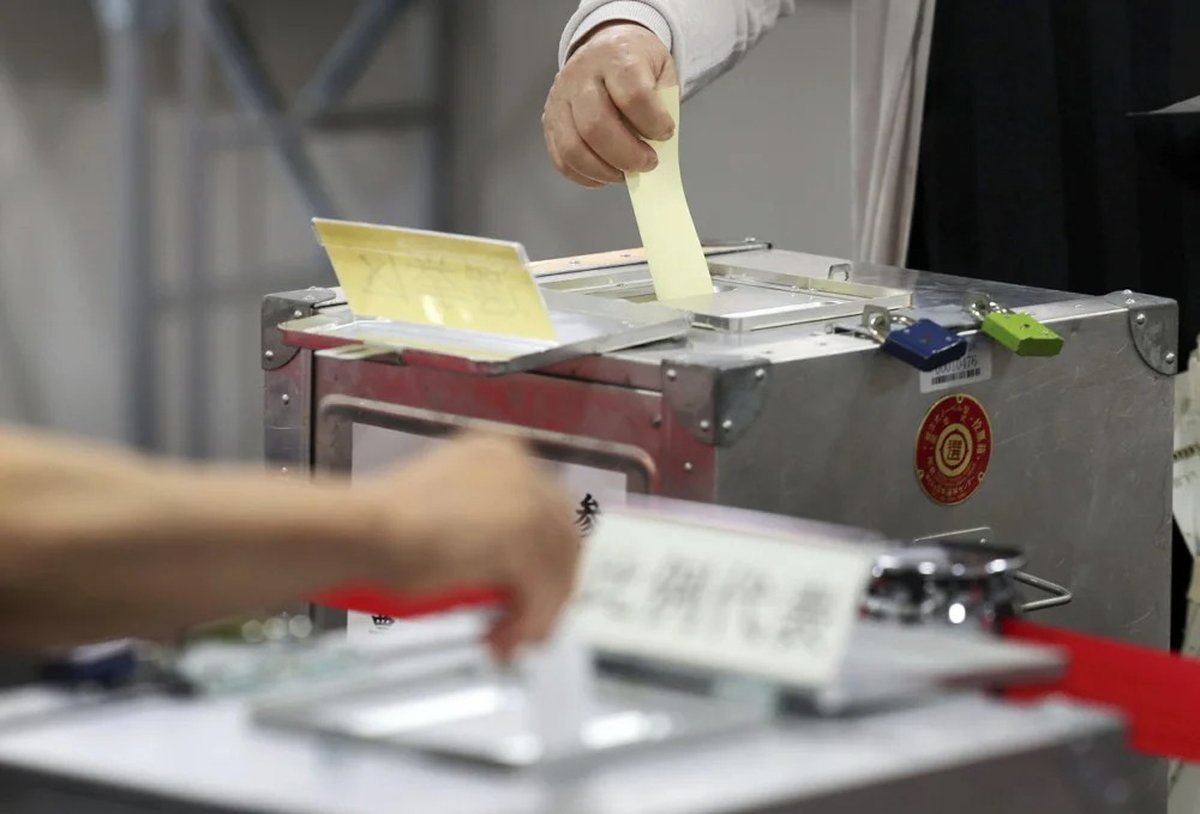
Voting takes place in Toshima Ward, Tokyo, on Sunday.
18:04 JST, July 20, 2025
Tokyo, July 20 (Jiji Press) — Voting is underway on Sunday in an election for Japan’s House of Councillors, the upper chamber of parliament, a poll that could affect the fate of Prime Minister Shigeru Ishiba, who leads a minority government.
The main focus is whether Ishiba’s ruling coalition will keep control of the Upper House after the bloc lost its majority in the House of Representatives, the lower parliamentary chamber, in an election in October.
About 45,000 polling stations across the country opened at 7 a.m. Voting is set to end at 8 p.m., except in some areas, with a rough outcome expected to be known late at night.
Voter turnout as of 2 p.m. stood at 18.51%, down 0.26 percentage point from the previous Upper House election in 2022, the internal affairs ministry said. About 21.45 million people, or some 20% of all eligible voters, cast their ballots for electoral districts by Friday under the early voting system.
In the 248-seat Upper House, 125 seats—75 in electoral districts and 50 for proportional representation—are contested in the election, in which 522 candidates—350 in electoral districts and 172 for proportional representation, ran.
Ishiba has set a goal of winning at least 50 seats for his ruling coalition, which has 75 uncontested seats in the Upper House. If the bloc loses its majority in the chamber as well, Ishiba, who took office in October, could face pressure to step down.
Yoshihiko Noda, leader of the major opposition Constitutional Democratic Party of Japan, aims to drive the ruling coalition into a minority in the Upper House, eventually leading to a change in government.
Major campaign issues included ways to cushion the impact of higher prices on households. Ishiba’s ruling Liberal Democratic Party pledged cash benefits for people, while opposition parties called for a consumption tax reduction.
Policies regarding foreign residents were another major issue. Attention is on how far Sanseito, which advocates a “Japanese First” policy, will expand its Upper House presence.


Related Tags

Most Read
Most read in the last 24 hours
-

India's Arms Indigenization Quest for Self-Reliance / Desert Dril...
-
Japan Passport Fees Going Down to ¥9,000 in July
-

26-year-old U.S. National Falls While Climbing Mt. Fuji; Accompan...
-

Japanese Side Machida Zelvia Faces Ah-Ahli in Asian Champions Lea...
-

Transfer of Defense Equipment: Increase the Number of Like-minded...
-

Charm of Meiji-Era Poet Takuboku Examined from Viewpoint of Donal...
-
Japan Eyes Trialing Dual-Use Tech Developed by Startups to Promot...
-

CARTOON OF THE DAY (April 24)
Most read in the last 7 days
-
Earthquake Hits Japan's Tohoku Region; 3-meter Tsunami Warning Is...
-

Trump Extends the Ceasefire with Iran but Keeps the Blockade
-
China, South Korea Object to Japanese PM Takaichi's Ritual Offeri...
-

India's Arms Indigenization Quest for Self-Reliance / New Delhi S...
-
Japan to Ban Use of Portable Chargers on Airplanes from April 24,...
-

¥1,000 Coins to Be Issued to Mark Anniversary of Beginning of Jap...
-

Most Serious Cyberattacks against the UK Now from Russia, Iran an...
-
New Challenges Await as Miura-Kihara Retires; Blade Maker, Ex-Coa...
Most read in the last 30 days
-
Earthquake Hits Japan's Tohoku Region; 3-meter Tsunami Warning Is...
-
Police Find Child's Shoe During Search for Missing Boy in Nantan,...
-
Body Found in Nantan, Kyoto Prefecture, During Search for 11-Year...
-
Cherry Blossoms, Rapeseed Flowers Perform Colorful ‘Duet’ in Niig...
-
Trump Extends the Ceasefire with Iran but Keeps the Blockade
-

Olympic Gold Medal-Winning Figure Skaters Riku-Ryu Announce Retir...
-
Nori Prices Surge in Japan Due to Poor Seaweed Production Amid Ri...
-
China, South Korea Object to Japanese PM Takaichi's Ritual Offeri...
Top Articles in Politics
-
India’s Arms Indigenization Quest for Self-Reliance / New Delhi Sticks to Its ‘All-Alignment’ Guns Even after Iran Warship Attack
-
Japan Aims to Enhance Deterrence, Defense Industry by Allowing Exports of Weapons
-
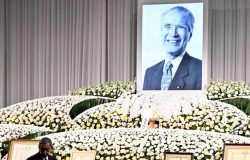
Former Japan PM Murayama’s Farewell Ceremony Held; Former Deputy PM Kono Vows to ‘Carry on Path Toward Peace’
-

Ritsumeikan Asia Pacific University Stripped of Certification for Simplified Visa Procedures Due to Document Failure
-

Japan’s PM Takaichi Seeks to Advance Policies Bearing Her Own ‘Color,’ Eyes Amending Constitution, Building Strong Economy
JN ACCESS RANKING
-
Earthquake Hits Japan’s Tohoku Region; 3-meter Tsunami Warning Issued (Update 1)
-
Police Find Child’s Shoe During Search for Missing Boy in Nantan, Kyoto Prefecture
-
Body Found in Nantan, Kyoto Prefecture, During Search for 11-Year-Old Boy in Area (Update 1)
-
Cherry Blossoms, Rapeseed Flowers Perform Colorful ‘Duet’ in Niigata
-
Trump Extends the Ceasefire with Iran but Keeps the Blockade
Most read in the last 24 hours
-
India's Arms Indigenization Quest for Self-Reliance / Desert Dril...
-
Japan Passport Fees Going Down to ¥9,000 in July
-
26-year-old U.S. National Falls While Climbing Mt. Fuji; Accompan...
-
Japanese Side Machida Zelvia Faces Ah-Ahli in Asian Champions Lea...
-
Transfer of Defense Equipment: Increase the Number of Like-minded...
Most read in the last 7 days
-
Earthquake Hits Japan's Tohoku Region; 3-meter Tsunami Warning Is...
-
Trump Extends the Ceasefire with Iran but Keeps the Blockade
-
China, South Korea Object to Japanese PM Takaichi's Ritual Offeri...
-
India's Arms Indigenization Quest for Self-Reliance / New Delhi S...
-
Japan to Ban Use of Portable Chargers on Airplanes from April 24,...
Most read in the last 30 days
-
Earthquake Hits Japan's Tohoku Region; 3-meter Tsunami Warning Is...
-
Police Find Child's Shoe During Search for Missing Boy in Nantan,...
-
Body Found in Nantan, Kyoto Prefecture, During Search for 11-Year...
-
Cherry Blossoms, Rapeseed Flowers Perform Colorful ‘Duet’ in Niig...
-
Trump Extends the Ceasefire with Iran but Keeps the Blockade