
Japan Experiences Hottest Summer on Record; June-August Temperatures Soar 2.36 C Above 30-Year Average
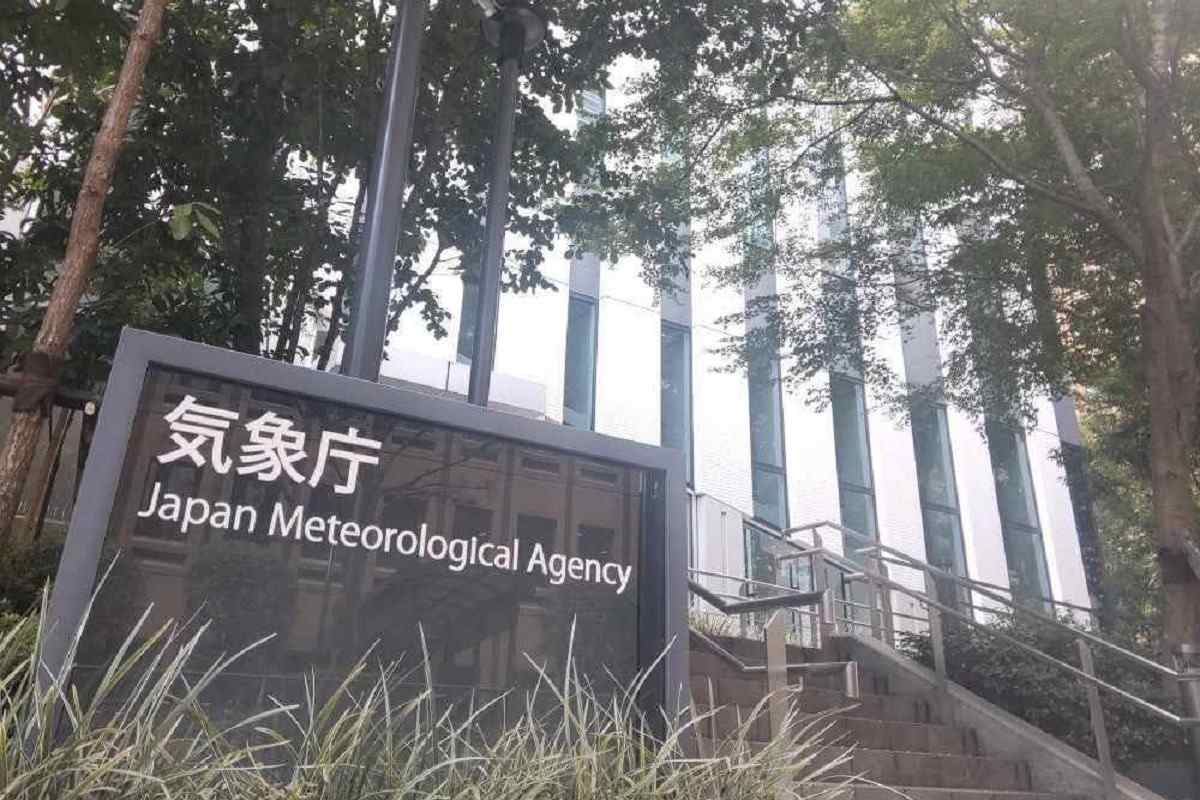
The Japan Meteorological Agency in Minato Ward, Tokyo
15:36 JST, September 2, 2025
Japan’s average temperature this summer, from June to August, exceeded the 30-year average by 2.36 C, hitting its highest point since records began in 1898, the Japan Meteorological Agency (JMA) announced on Monday.
Record-breaking high temperatures were reported this summer, as the season’s “abnormal heat,” in the words of the JMA, pushed the mercury to 35 C or above in more locations than ever previously recorded.
The Agency analyzed this summer’s average temperatures at 15 locations across the country where long-term observations have been conducted and where the impact of urbanization is relatively small. The results showed temperatures were 2.36 C higher than the average from 1991 to 2020, greatly surpassing the previous record high of 1.76 C, set in 2023 and matched in 2024.
Regional analysis based on data from 149 locations nationwide showed temperatures 3.4 C higher than the 30-year average in Northern Japan, 2.3 C higher in Eastern Japan and 1.7 C higher in Western Japan. All regions recorded their highest temperatures since statistics began in 1946.
Temperatures of 40 C or higher were recorded 30 times in various locations, with the highest in Japan, 41.8 C, seen in Isesaki, Gunma Prefecture, on Aug. 5. There were a total of 9,385 recorded temperatures in excess of 35 C, the highest number since 2010, when comparable data became available.
According to the JMA, factors contributing to the extreme heat included a Pacific high-pressure system that covered Honshu, leading to many days of clear skies and high temperatures.
Yoshinori Oikawa, head of the JMA’s Center for Information on Climate Extremes, said, “These high temperatures and weather conditions are abnormal across 130 years of statistical data.”
The extreme heat is expected to continue into September, with temperatures above 35 C forecast for roughly the next two weeks, mainly in eastern and western Japan. The JMA is urging caution against heatstroke.




Most Read
Popular articles in the past 24 hours
-

Ukrainian Ambassador Closely Watching Japan’s Revision of Defense...
-

Milano Cortina 2026: Sakamoto Serves as Flag Bearer; Japan Earns ...
-

Milano Cortina 2026: There Were Cheers across the Country, after ...
-
Emperor Turns 66 Ahead of Disaster Milestones
-

Luna Sea Drummer Shinya Dies at 56; Powerful Drummer Behind ‘Desi...
-

Milano Cortina 2026: ‘Magical’ Italian Games Close wi...
-

Milano Cortina 2026: Riku-Ryu Duo Stick Together During Closing C...
-

1.2 Mil. Rapeseed Flowers Attract Cute Birds, People in Aichi Pre...
Popular articles in the past week
-

Japan PM Takaichi’s Cabinet Resigns en Masse
-

Man Infected with Measles Reportedly Dined at Restaurant in Tokyo...
-

Sanae Takaichi Elected Prime Minister of Japan; Keeps All Cabinet...
-

Japan's Govt to Submit Road Map for Growth Strategy in March, PM ...
-

Bus Carrying 40 Passengers Catches Fire on Chuo Expressway; All E...
-

Milano Cortina 2026: Figure Skaters Riku Miura, Ryuichi Kihara Pa...
-

U.S. Firm to Build Training Hub in Fukushima N-plant for Debris R...
-

Japan, U.S. Name 3 Inaugural Investment Projects; Reached Agreeme...
Popular articles in the past month
-
Japan PM Takaichi’s Cabinet Resigns en Masse
-

Japan Institute to Use Domestic Commercial Optical Lattice Clock ...
-

Israeli Ambassador to Japan Speaks about Japan’s Role in the Reco...
-
Man Infected with Measles Reportedly Dined at Restaurant in Tokyo...
-

Videos Plagiarized, Reposted with False Subtitles Claiming ‘Ryuky...
-

Man Infected with Measles May Have Come in Contact with Many Peop...
-

Prudential Life Insurance Plans to Fully Compensate for Damages C...
-

Woman with Measles Visited Hospital in Tokyo Multiple Times Befor...
Top Articles in Society
-

Producer Behind Girls Group XG Arrested for Cocaine Possession
-
Man Infected with Measles Reportedly Dined at Restaurant in Tokyo Station
-
Man Infected with Measles May Have Come in Contact with Many People in Tokyo, Went to Store, Restaurant Around When Symptoms Emerged
-
Woman with Measles Visited Hospital in Tokyo Multiple Times Before Being Diagnosed with Disease
-
Australian Woman Dies After Mishap on Ski Lift in Nagano Prefecture
JN ACCESS RANKING
-
Japan PM Takaichi’s Cabinet Resigns en Masse
-
Japan Institute to Use Domestic Commercial Optical Lattice Clock to Set Japan Standard Time
-
Israeli Ambassador to Japan Speaks about Japan’s Role in the Reconstruction of Gaza
-
Man Infected with Measles Reportedly Dined at Restaurant in Tokyo Station
-
Videos Plagiarized, Reposted with False Subtitles Claiming ‘Ryukyu Belongs to China’; Anti-China False Information Also Posted in Japan