
Japan’s Updated ‘Free and Open Indo-Pacific’ Initiative to Strengthen Cooperation on Economic Security with Like-Minded Nations
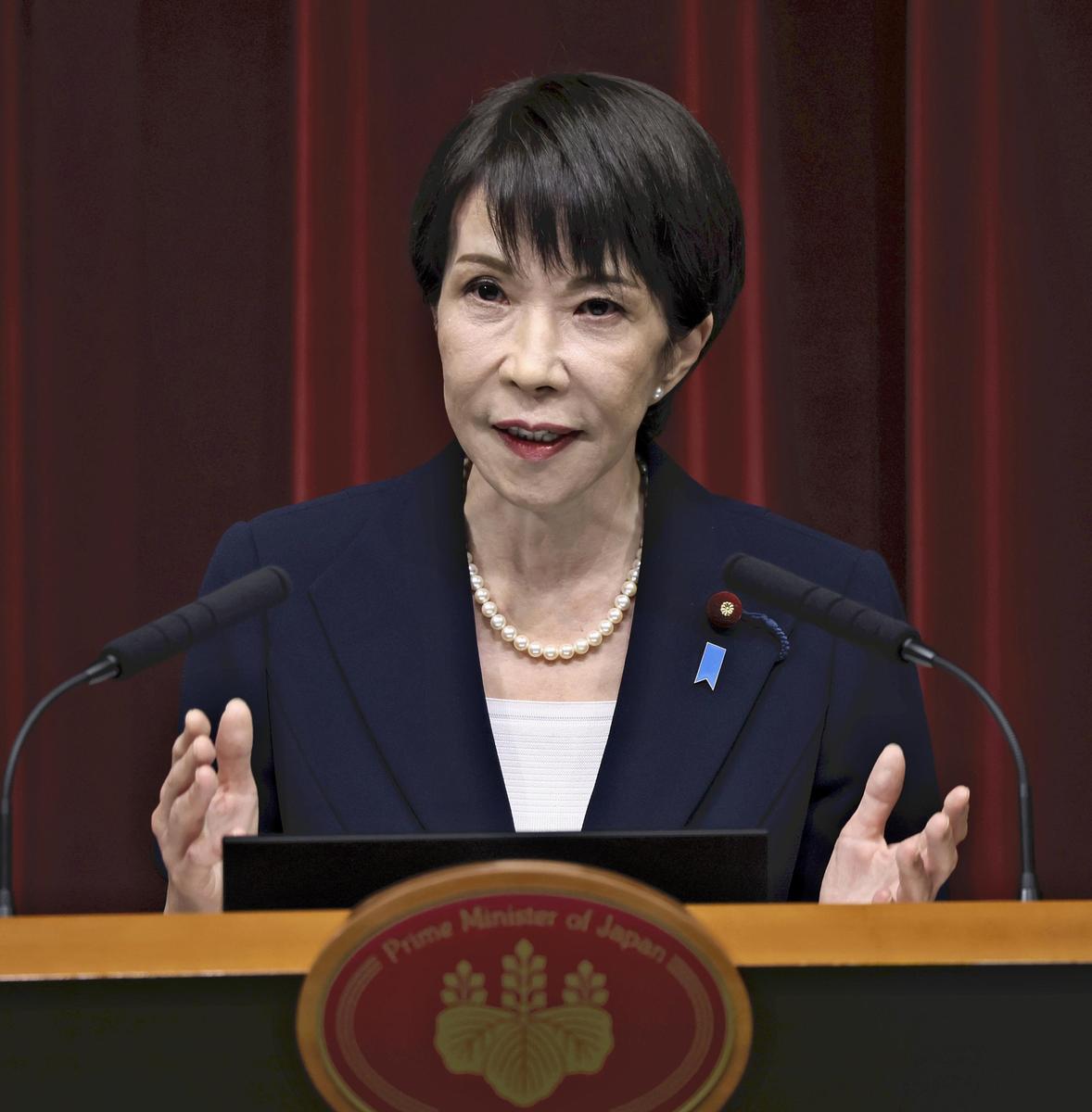
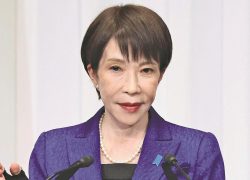
Prime Minister Sanae Takaichi
7:00 JST, February 17, 2026
Japan’s newly updated Free and Open Indo-Pacific initiative will strengthen cooperation on economic security with like-minded nations in the Indo-Pacific region, according to a draft revision revealed by several government sources.
The initiative, which will become the government’s new diplomatic framework, aims to enhance the region’s autonomy and resilience, with China’s repeated coercive actions in both military and economic spheres in mind.
It was originally advocated by former Prime Minister Shinzo Abe in 2016. The initiative envisions building a rules-based international order, setting the rule of law and freedom of navigation in place and ensuring regional stability.
On the 10th anniversary of its announcement this year, Prime Minister Sanae Takaichi will further develop the concept, and she will outline details in her policy speech at a special Diet session on Friday.
Without naming specific countries, the updated initiative will take into account the changed security environment in the Indo-Pacific region since a decade ago, against the backdrop of China’s military expansion and economic coercion.
The envisioned plan is based on three pillars: strengthening economic foundations, economic growth through problem-solving and security cooperation.
To strengthen economic foundations, Japan will diversify supply chains for critical minerals and also advance economic security cooperation among like-minded nations amid economic pressures, such as export restrictions of rare earths, applied by China.
The updated initiative also incorporates plans to develop artificial intelligence with like-minded nations to counter the proliferation of inexpensive Chinese-made AI that could serve as a tool to manipulate public opinion.
Regarding economic growth, the updated initiative will continue the concepts set forth in the original policy, upholding core principles such as connectedness within and beyond the region and free trade.
It proposed the advancement of the Comprehensive and Progressive Agreement for Trans-Pacific Partnership, which comprises 12 countries including Japan, the United Kingdom and Australia, despite the protectionist policies adopted by the administration of U.S. President Donald Trump.
The Japan-U.S. alliance has been the cornerstone in the country’s security sphere, but the updated initiative proposes strengthening ties with member countries of the Association of South East Asian Nations such as the Philippines, which lie along sea lanes that Japan uses.
The initiative will likely include cooperation through Japan’s Official Security Assistance, a new framework that provides equipment and supplies to partner countries with a view to strengthening their security and deterrence capabilities, as well as expanding export of defense equipment.


Related Tags


Most Read
Popular articles in the past 24 hours
-

Japan’s Lotteria Restaurant Operator Co. Changes Name, Will Rebra...
-

Revitalization of Shipbuilding Industry: Counter Chinese, S. Kore...
-
Japan's Foreign Minister Says No Contact With China's Counterpart...
-
University of Tsukuba Faculty Member Posts Discriminatory Message...
-

Osaka Expo Mascot Myaku-Myaku-Themed Cafe Opens in Osaka, Set to ...
-

1st Overseas Suke-San Udon to Open in Taiwan; Company Aims for Mo...
-

Japan’s Nikkei Stock Average Dips as Soft Data, Post-Election Lul...
-
Japanese Shares Dip as Soft Data, Post-Election Lull Cap Moves
Popular articles in the past week
-

Prudential Life Insurance Plans to Fully Compensate for Damages C...
-

Woman with No Overseas Travel History Infected with Measles in Na...
-

Videos Plagiarized, Reposted with False Subtitles Claiming ‘Ryuky...
-

Milano Cortina 2026: Kokomo Murase Comes Out on Top After Overcom...
-
CRA Leadership Election Will Center on Party Rebuilding; Lower Ho...
-
Crime in Japan Ticks Up for 4th Straight Year
-

Tokyo’s New Record-Breaking Fountain Named ‘Tokyo Aqua Symphony’
-
Japanese Constitutional Revision Debate Expected to be Revived Af...
Popular articles in the past month
-

Japan Institute to Use Domestic Commercial Optical Lattice Clock ...
-

Israeli Ambassador to Japan Speaks about Japan’s Role in the Reco...
-

Man Infected with Measles May Have Come in Contact with Many Peop...
-

China Eyes Rare Earth Foothold in Malaysia to Maintain Dominance,...
-
Prudential Life Insurance Plans to Fully Compensate for Damages C...
-

Woman with Measles Visited Hospital in Tokyo Multiple Times Befor...
-

Australian Woman Dies After Mishap on Ski Lift in Nagano Prefectu...
-
Foreign Snowboarder in Serious Condition After Hanging in Midair ...
Top Articles in Politics
-

LDP Wins Historic Landslide Victory
-

LDP Wins Landslide Victory, Secures Single-party Majority; Ruling Coalition with JIP Poised to Secure Over 300 seats (UPDATE 1)
-
Japan Tourism Agency Calls for Strengthening Measures Against Overtourism
-
CRA Leadership Election Will Center on Party Rebuilding; Lower House Defeat Leaves Divisions among Former CDPJ, Komeito Members
-

Voters Using AI to Choose Candidates in Japan’s Upcoming General Election; ChatGPT, Other AI Services Found Providing Incorrect Information
JN ACCESS RANKING
-
Japan Institute to Use Domestic Commercial Optical Lattice Clock to Set Japan Standard Time
-
Israeli Ambassador to Japan Speaks about Japan’s Role in the Reconstruction of Gaza
-
Man Infected with Measles May Have Come in Contact with Many People in Tokyo, Went to Store, Restaurant Around When Symptoms Emerged
-
Prudential Life Insurance Plans to Fully Compensate for Damages Caused by Fraudulent Actions Without Waiting for Third-Party Committee Review
-
Woman with Measles Visited Hospital in Tokyo Multiple Times Before Being Diagnosed with Disease