
Opinions Mixed over Japan Innovation Party’s Demand to Reduce Number of Seats in Diet
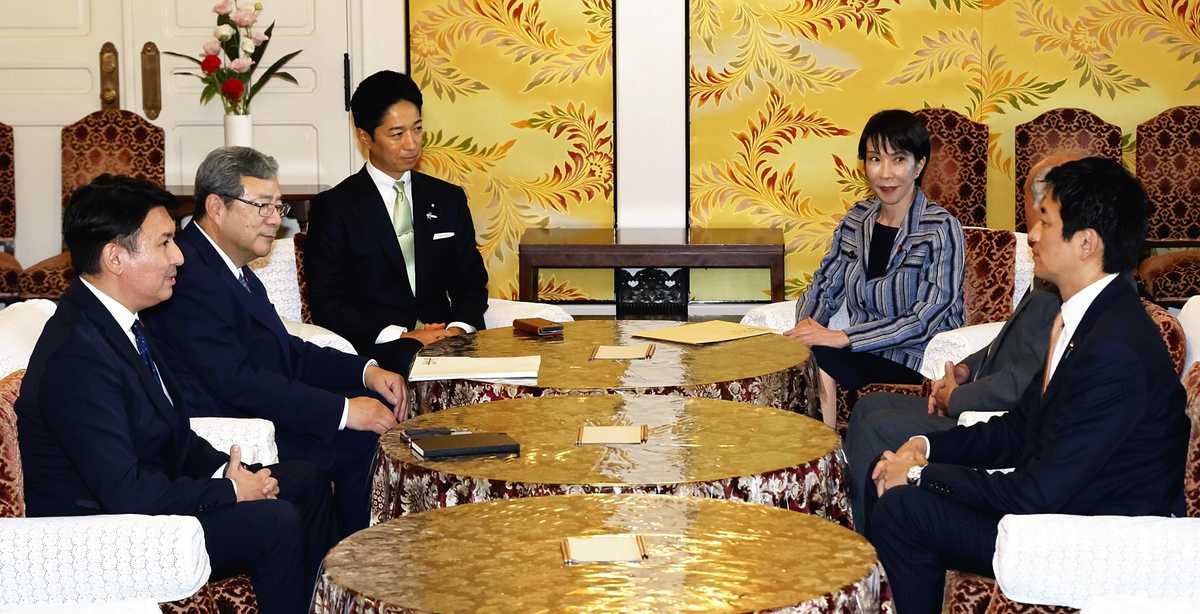
Liberal Democratic Party President Sanae Takaichi, second from right, and Japan Innovation Party coleader Fumitake Fujita, third from left, are seen at a meeting at the Diet Building on Friday.
20:00 JST, October 18, 2025
Reducing the number of Diet seats has been a major topic in policy talks between the ruling Liberal Democratic Party and the Japan Innovation Party as they consider forming a coalition.
Despite the LDP agreeing to reduce the number of seats, there is strong resistance within both the ruling and opposition parties.
“The essence of political reform is reducing the number of Diet members,” JIP leader and Osaka Gov. Hirofumi Yoshimura said on a TV program on Friday.
The JIP has gained support in its stronghold of Osaka by continuing to advocate self-sacrificing reforms including reducing the number of seats in the Osaka prefectural and city assemblies, as well as the remuneration of local government leaders.
Yoshimura said the JIP wants to reduce the number of Diet seats by about 50, which is a little more than 10% of the 465 seats in the House of Representatives.
“And [the targeted seats] might possibly be those from the proportional representation segment,” he said.
Yoshimura made the remarks to apparently underline the determination of the JIP to realize the cuts.
Reducing the number of lower house seats was also an issue in the past.
In 1999, the LDP and the now defunct Liberal Party agreed to first reduce the seats in the proportional representation segment by 20 as a step toward a 50-seat reduction in total when forming a three-party coalition with Komeito.
During a party leader debate in 2012 with then LDP President Shinzo Abe, then Prime Minister Yoshihiko Noda expressed his intention to dissolve the lower house if parties agreed to significantly reduce the number of seats.
Many LDP executives think that reducing the number of seats in the proportional representation segment would have a more significant impact on other parties, so it easier for the LDP to accept the demand.
If the LDP and the JIP reach an agreement in policy talks, the reduction is likely to be included as one of the issues they will work to realize.
However, strong doubts have been raised about reducing the number of lawmakers.
“The measure will further reduce the number of seats in rural areas. Such a sudden reduction is out of the question,” lower house member Ichiro Aisawa, who has led the LDP’s electoral reform efforts, said in a post on X.
Tetsuo Saito, leader of Komeito, which values an election under the proportional representation formula, told reporters on Friday that the primary purpose of the proportional representation segment is to hear the voices of the minority.
“Reducing seats in the proportional representation segment is harassment against Komeito,” a senior Komeito member said.







Most Read
Popular articles in the past 24 hours
-

Ransomware Attacks Hitting Japan's Small, Midsize Firms
-

German Journalist Traces Footsteps of Great-Grandfather Who Was P...
-

10 Foreign Tourists Sustain Injuries After Fire at Capsule Hotel ...
-

World Baseball Classic: Venezuela Beats Japan in Nail-biting Back...
-

Rapid Services Resume on JR Chuo Line; Suspension Caused by Accid...
-

Rapid Services on JR Chuo Line Suspended; Accident at Kokubunji S...
-

World Baseball Classic: Venezuela Beats Japan in Back-and-Forth Q...
-

World Baseball Classic: Red Sox’s Abreu Hits 3-run Homer, Giving ...
Popular articles in the past week
-

Japan Figure Skating Legend Yuzuru Hanyu Is Proud Disaster Surviv...
-
15 Measles Patients Confirmed in Tokyo in Past 6 Days; 1 May Have...
-

Massive Sewer Pipe Found Jutting Out of Highway in Osaka
-

Japan Govt to Tighten Requirements to Receive Permanent Residency...
-
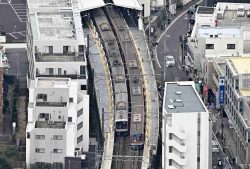
Power Outage Forces About 980 Passengers in Yokohama to Walk to T...
-
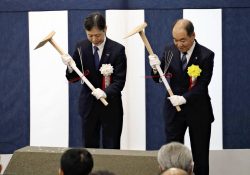
JR Tokai Breaks Ground on Yamanashi Maglev Station; Will Be Part ...
-

Parents in Japan to Get Instagram Notifications When Teens Repeat...
-
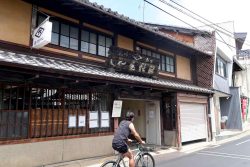
'World's Oldest Bio-Business' Is Japan's Seed Koji Retailing, Mol...
Popular articles in the past month
-

Producer Behind Pop Group XG Arrested for Cocaine Possession
-

Japan PM Takaichi’s Cabinet Resigns en Masse
-

Man Infected with Measles Reportedly Dined at Restaurant in Tokyo...
-
Japan Figure Skating Legend Yuzuru Hanyu Is Proud Disaster Surviv...
-

iPS Treatments Pass Key Milestone, but Broader Applications Far f...
-

Sanae Takaichi Elected Prime Minister of Japan; Keeps All Cabinet...
-

South Korea Tightens Rules on Foreigners Buying Homes in Seoul Me...
-

Nepal Bus Crash Kills 19 People, Injures 25 Including One Japanes...
Top Articles in Politics
-
Japan PM Takaichi’s Cabinet Resigns en Masse
-
Sanae Takaichi Elected Prime Minister of Japan; Keeps All Cabinet Appointees from Previous Term
-

Japan’s Govt to Submit Road Map for Growth Strategy in March, PM Takaichi to Announce in Upcoming Policy Speech
-
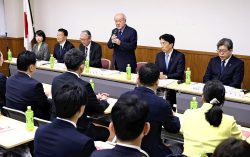
LDP Begins Training New Lawmakers to Avoid Scandal, Gaffes; Historic Victory in Latest Election Heightens Focus on Party
-

Japan PM Sanae Takaichi Welcomes Peach Ambassadors Koga Momo Musume to Official Residence
JN ACCESS RANKING
-
Producer Behind Pop Group XG Arrested for Cocaine Possession
-
Japan PM Takaichi’s Cabinet Resigns en Masse
-
Man Infected with Measles Reportedly Dined at Restaurant in Tokyo Station
-
Japan Figure Skating Legend Yuzuru Hanyu Is Proud Disaster Survivor and Gold Medalist, Vows to Continue Support Efforts
-
iPS Treatments Pass Key Milestone, but Broader Applications Far from Guaranteed