
Japan, South Korea to Start Dialogues on Declining Birthrates, Aging Society; Nations Plan to Share Policies to Create More Effective Countermeasures
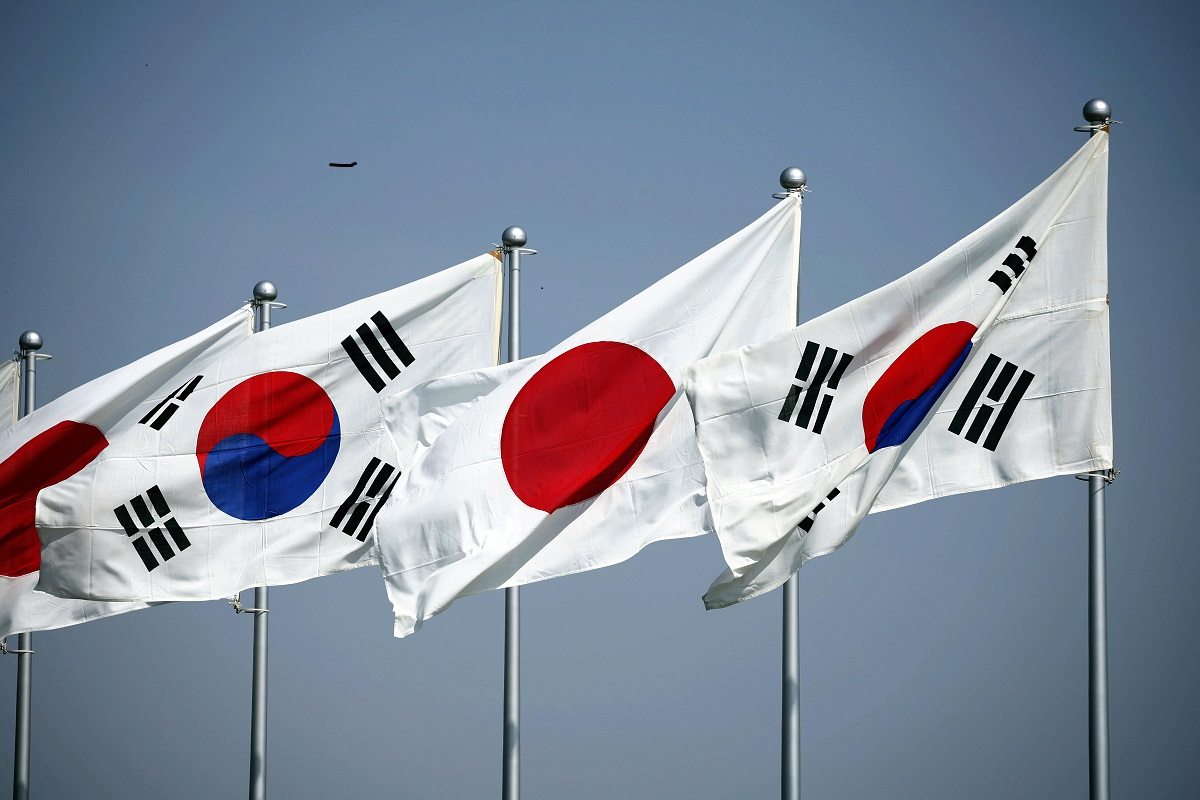
Japan and South Korean flags
15:09 JST, August 22, 2025
Ahead of today’s meeting between Prime Minister Shigeru Ishiba and South Korean President Lee Jae Myung in Tokyo, the governments of Japan and South Korea have been making arrangements for them to agree on starting dialogues between authorities in both countries over issues including declining birth rates and aging populations.
The move is aimed at strengthening bilateral relations through policies relevant to people’s lives in both countries, reflecting the policy of “practical diplomacy” championed by Lee.
Both countries are also expected to agree to increase the number of times one person can obtain a working holiday visa, which enables the holder to stay and work in either of the countries for an extended period of time, from once to twice.
South Korea’s total fertility rate in 2024 was 0.75, one of the lowest in the world. The birth rate there is declining at a faster pace than in Japan, where the total fertility rate was 1.15 in the same year. On the other hand, Japan’s population is more elderly, at 29%, compared to South Korea’s, at 20%.
The governments of Japan and South Korea will continue their dialogues on these issues while also looking at the possibility of creating a new framework between the two countries. Regular conferences on declining birth rates and aging populations are already held among Japan, China and South Korea.
Both countries are hoping to share with each other their problems and countermeasures in hopes of improving the effectiveness of policies.
It is assumed that the discussions will feature the participation of specialists and cover a wide range of social problems related to declining birth rates and aging populations, in addition to issues Ishiba has been making strong efforts to address, such as regional revitalization and the elimination of factors that make working difficult for women.
Ishiba and Lee are also expected to confirm their intention to promote private exchanges between both countries. Young people from either country visiting the other will soon have not one but two opportunities to obtain a working holiday visa, and both countries will aim to expand these trips from short tourist visits to longer stays in which people will have more opportunities to get to know the country they are traveling to.







Most Read
Popular articles in the past 24 hours
-

Kesennuma, Miyagi Pref., Locals Raise Carp Streamers as Symbol of...
-

Iran Situation: Significance of Rule of Law Must Be Conveyed
-

Toyota Advancing Plant-Based Biofuel Development in Fukushima Tow...
-

Trump Says Iran Had a New Site for Developing Nuclear Weapons
-

2 People Reportedly Found on Mt. Fuji; Hiking Trail Currently Clo...
-

CARTOON OF THE DAY (March 10)
-

Memorial Service Marks 81st Anniversary of Tokyo Air Raid; Crown ...
-

Japan's TEPCO to Raise Electricity Rates for Corporations in Apri...
Popular articles in the past week
-

Ibaraki Pref.'s 1st Foreign Bus Driver Hired in Tsukuba
-

Amid Strait of Hormuz Blockade, Shipping Companies Scramble to Ge...
-
Govt to Utilize ODA for Ensuring Economic Security; Securing Ener...
-
Japan Govt Survey Finds Just 10% of Workers Want Working Hours to...
-

Nippon Life Insurance's U.S. Arm Sues OpenAI Over Legal Assistanc...
-

Japan's 2nd Round of U.S. Investments May Be Worth Over $100 Bill...
-

Imperial Family Watches World Baseball Classic Game Against Austr...
-

Beckoning Cats Get Makeover to Fit Modern Lifestyles with Sleek D...
Popular articles in the past month
-

Producer Behind Pop Group XG Arrested for Cocaine Possession
-

Japan PM Takaichi’s Cabinet Resigns en Masse
-

Man Infected with Measles Reportedly Dined at Restaurant in Tokyo...
-

Videos Plagiarized, Reposted with False Subtitles Claiming ‘Ryuky...
-

iPS Treatments Pass Key Milestone, but Broader Applications Far f...
-

Sanae Takaichi Elected Prime Minister of Japan; Keeps All Cabinet...
-

Nepal Bus Crash Kills 19 People, Injures 25 Including One Japanes...
-

South Korea Tightens Rules on Foreigners Buying Homes in Seoul Me...
Top Articles in Politics
-
Japan PM Takaichi’s Cabinet Resigns en Masse
-
Sanae Takaichi Elected Prime Minister of Japan; Keeps All Cabinet Appointees from Previous Term
-

Japan’s Govt to Submit Road Map for Growth Strategy in March, PM Takaichi to Announce in Upcoming Policy Speech
-
CRA Leadership Election Will Center on Party Rebuilding; Lower House Defeat Leaves Divisions among Former CDPJ, Komeito Members
-
LDP Begins Training New Lawmakers to Avoid Scandal, Gaffes; Historic Victory in Latest Election Heightens Focus on Party
JN ACCESS RANKING
-
Producer Behind Pop Group XG Arrested for Cocaine Possession
-
Japan PM Takaichi’s Cabinet Resigns en Masse
-
Man Infected with Measles Reportedly Dined at Restaurant in Tokyo Station
-
Videos Plagiarized, Reposted with False Subtitles Claiming ‘Ryukyu Belongs to China’; Anti-China False Information Also Posted in Japan
-
iPS Treatments Pass Key Milestone, but Broader Applications Far from Guaranteed