
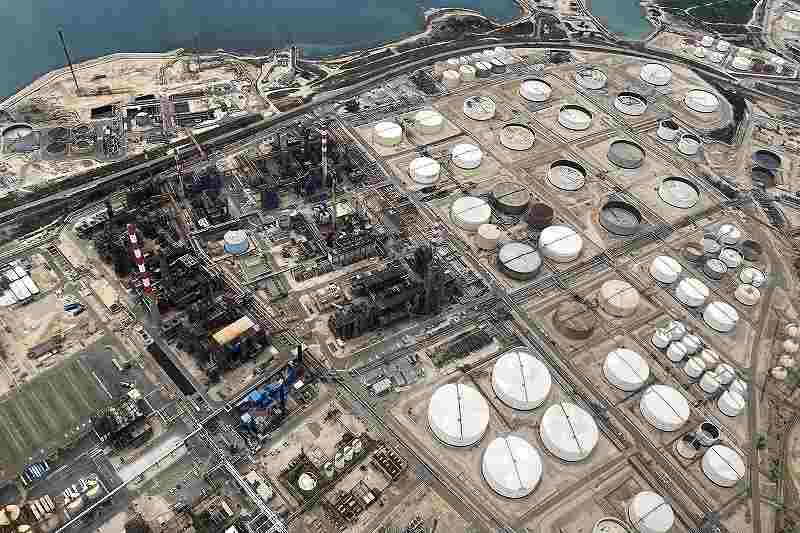
Storage tanks are seen at the Petroineos Ineos petrol refinery in Lavera, France, on March 29.
14:05 JST, April 5, 2022
SINGAPORE (Reuters) – Oil futures extended gains on Tuesday as the United States and Europe planned new sanctions to punish Moscow over alleged war crimes by Russian troops in Ukraine, adding to concerns about supply disruptions, while Iran nuclear talks stalled.
Brent crude futures rose $1.20, or 1.1%, to $108.73 a barrel, while U.S. West Texas Intermediate futures were up $1.25, or 1.2%, at $104.53 a barrel at 0420 GMT.
Both contracts briefly jumped more than $2 a barrel in early Asian trade after Japanese industry minister Koichi Hagiuda said the International Energy Agency (IEA) was still working out details for a planned second round of a coordinated oil releases.
Global crude futures had settled up more than 3% on Monday on the threat of more sanctions on Russia over civilian killings in Ukraine and following a pause in Vienna on talks to revive the Iran nuclear deal, which could put more Iranian barrels into the market. Iran blamed the United States for halting the talks.
“The geopolitical tension is most likely to keep the oil price gaining in the coming days despite efforts made by U.S. and allies,” said Tina Teng, a markets analyst at CMC Markets APAC & Canada, referring to the coordinated oil release by consuming countries.
“In the long run, oil prices may continue the upside momentum due to supply shortfalls and hedging demands to counter high inflation.”
Consultancy Wood Mackenzie on Monday estimated EU members and advanced economies including Japan and South Korea could “swap” some 650,000 barrels per day of Russian crude oil with similar grades and volumes. These would primarily come from Middle East volumes that are normally purchased by China and India.
India’s state run Mangalore Refinery and Petrochemicals Ltd. purchased 1 million barrels of Russian Urals for May loading, in a rare move driven by the steep discount offered.
“Global crude oil trade will rebalance by ‘crude swapping’ between ‘self-sanctioning’ advanced economies and developing markets,” said Alex Sun, a managing consultant for Wood Mackenzie, noting that a steep discount for Russian Urals barrels has created a buying opportunity for China to fill declining strategic reserves.








Most Read
Popular articles in the past 24 hours
-
Seeking Nuclear Waste Site, Japan Eyes Remote Island of Minami-To...
-

Japan’s Govt Says No Immediate Impact on Oil Supply; No Releases ...
-

Japan Ministry Asks to Conduct Nuclear Waste Disposal-related Sur...
-

Total Lunar Eclipse Visible for Some in Japan, While Clouds Block...
-

WBC to Begin: All the Pieces are in Place for Japan’s Second Stra...
-

Tokyo High Court Upholds Unification Church Dissolution Order; Li...
-

Artisans from Disaster-Hit Areas Work Together to Keep Memories o...
-

Milano Cortina 2026: Ceremony for Winter Paralympic Torch Relay T...
Popular articles in the past week
-
Tokyo Spends Big on Children, Wins Over Parents
-

Japan’s Miura, Kihara Announce Withdrawal from Figure Skating Wor...
-

South Korea Tightens Rules on Foreigners Buying Homes in Seoul Me...
-
BOJ Keeping Eye on Economy and Takaichi's ‘Proactive Fiscal Polic...
-
Tokyo Measles Patient Traveled to Fukuoka Aboard JAL Planes; Susp...
-
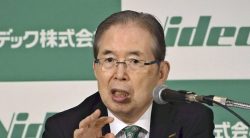
Nidec Chairman Resigns Amid Accounting Scandal at Major Japanese ...
-

Strait of Hormuz Closure Shakes Markets; Prolonged Closure Could ...
-

Tourists Ignore Safety Barriers Near Famous Zao ‘Snow Monsters’ i...
Popular articles in the past month
-

Producer Behind Pop Group XG Arrested for Cocaine Possession
-

Japan PM Takaichi’s Cabinet Resigns en Masse
-

Man Infected with Measles Reportedly Dined at Restaurant in Tokyo...
-

Israeli Ambassador to Japan Speaks about Japan’s Role in the Reco...
-

Videos Plagiarized, Reposted with False Subtitles Claiming ‘Ryuky...
-

Prudential Life Insurance Plans to Fully Compensate for Damages C...
-
Woman with Measles Visited Hospital in Tokyo Multiple Times Befor...
-

iPS Treatments Pass Key Milestone, but Broader Applications Far f...
Top Articles in News Services
-
Survey Shows False Election Info Perceived as True
-
Hong Kong Ex-Publisher Jimmy Lai’s Sentence Raises International Outcry as China Defends It
-
Japan’s Nikkei Stock Average Falls as US-Iran Tensions Unsettle Investors (UPDATE 1)
-
Japan’s Nikkei Stock Average Touches 58,000 as Yen, Jgbs Rally on Election Fallout (UPDATE 1)
-
Japan’s Nikkei Stock Average Rises on Tech Rally and Takaichi’s Spending Hopes (UPDATE 1)
JN ACCESS RANKING
-
Producer Behind Pop Group XG Arrested for Cocaine Possession
-
Japan PM Takaichi’s Cabinet Resigns en Masse
-
Man Infected with Measles Reportedly Dined at Restaurant in Tokyo Station
-
Israeli Ambassador to Japan Speaks about Japan’s Role in the Reconstruction of Gaza
-
Videos Plagiarized, Reposted with False Subtitles Claiming ‘Ryukyu Belongs to China’; Anti-China False Information Also Posted in Japan