
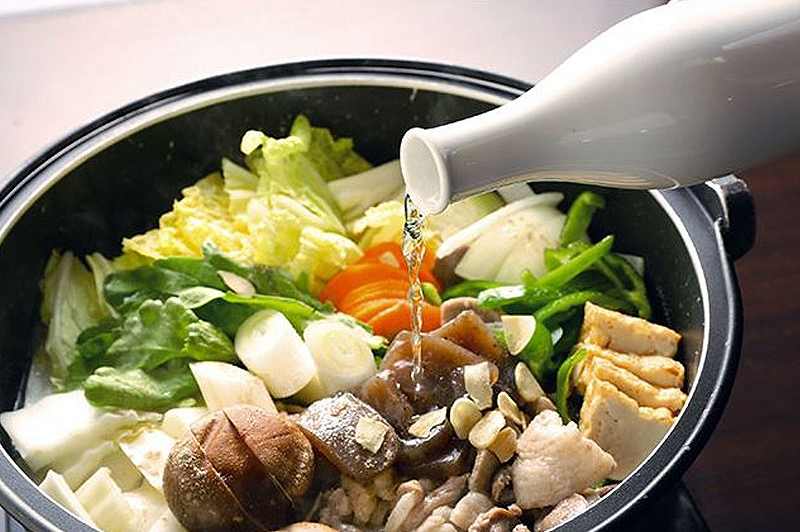
A hot pot dish from Higashi-Hiroshima, Hiroshima Prefecture
10:15 JST, January 5, 2023
TOKYO (Jiji Press) — The Japanese government is working to promote “washoku,” or traditional cuisine, in a unique way that focuses on local dishes, trying to keep alive the history and culture behind them.
The Ministry of Agriculture, Forestry and Fisheries has created a special website where more than 1,000 recipes of local dishes have been posted. It has also started a program to train people to carry on the traditions.
In 2021, a government team drew up a basic plan to promote “shokuiku” food and nutrition education, including targets of getting at least 55% of Japan’s population ready to pass on traditional cuisines to future generations and having at least 50% eat local or traditional dishes at least once a month by fiscal 2025.
But the country has seen a decrease in community events and other opportunities to enjoy these dishes. In addition, dietary lifestyles have diversified, causing a protracted drop in rice consumption, the country’s staple food, particularly by younger people.
Against this backdrop, the ministry opened in 2020 a website called “Uchi no Kyodo Ryori” (Our Regional Cuisines) to introduce not only the recipes but also the histories and origins of local dishes.
As of March 2022, 1,365 recipes had been posted on the website, up from 294 when the website started two years before. The ministry hopes that the recipes will be used for food education and at restaurants.
Prefectural committees have selected recipes to be put up on the website, based on such factors as whether they use local ingredients and whether they are passed on to younger generations within local communities.
Winter dishes that appear on the website include “Ishikari nabe” hot pot with salmon and vegetables from the Ishikari area of Hokkaido, northernmost Japan, as well as “bishu nabe” hot pot from Higashihiroshima in the western prefecture of Hiroshima, which uses sake for flavoring.
Feedback from website users includes, “This looks good to find out about local cuisines of a particular area” and “This dish originated in our area,” according to the ministry.
The ministry has also launched a training program to certify nutrition teachers and others as “successors” taking a leading role in passing on washoku culture to younger generations.









Most Read
Popular articles in the past 24 hours
-

Milano Cortina 2026: Japanese Gold Medalist Figure Skater Miura S...
-

Yokohama to Test Out Renewable-Powered Offshore Floating Data Cen...
-
Japan’s Takaichi Speaks on New U.S. Tariff in Upper House, Says P...
-

Ishinomaki Man Plush Toy Offers Hope to Children in Times of Disa...
-

Japan Authorities Begin On-site Inspection of Japanese Microsoft ...
-

Japan's Takaichi Lets LDP Lawmakers Choose Gifts for Election Suc...
-

Nikkei Tops 59,000 for First Time
-

Dodgers' Roki Sasaki Erratic in First Spring Training Outing, Giv...
Popular articles in the past week
-

Producer Behind Pop Group XG Arrested for Cocaine Possession
-

iPS Treatments Pass Key Milestone, but Broader Applications Far f...
-

Japan, U.S. Name 3 Inaugural Investment Projects; Reached Agreeme...
-

Tokyo Skytree's Elevator Stops, Trapping 20 People; All Rescued (...
-

Japan’s Major Real Estate Firms Expanding Overseas Businesses to ...
-
Milano Cortina 2026: Japanese Gold Medalist Figure Skater Miura S...
-

Baby Monkey Punch Captures Hearts at Chiba Pref. Zoo, on Social M...
-

Nepal Bus Crash Kills 19 People, Injures 25 Including One Japanes...
Popular articles in the past month
-
Producer Behind Pop Group XG Arrested for Cocaine Possession
-

Japan PM Takaichi’s Cabinet Resigns en Masse
-

Japan Institute to Use Domestic Commercial Optical Lattice Clock ...
-

Man Infected with Measles Reportedly Dined at Restaurant in Tokyo...
-

Israeli Ambassador to Japan Speaks about Japan’s Role in the Reco...
-

Videos Plagiarized, Reposted with False Subtitles Claiming ‘Ryuky...
-

Man Infected with Measles May Have Come in Contact with Many Peop...
-

Prudential Life Insurance Plans to Fully Compensate for Damages C...
Top Articles in Society
-
Producer Behind Pop Group XG Arrested for Cocaine Possession
-
Man Infected with Measles Reportedly Dined at Restaurant in Tokyo Station
-
Man Infected with Measles May Have Come in Contact with Many People in Tokyo, Went to Store, Restaurant Around When Symptoms Emerged
-

Woman with Measles Visited Hospital in Tokyo Multiple Times Before Being Diagnosed with Disease
-
Australian Woman Dies After Mishap on Ski Lift in Nagano Prefecture
JN ACCESS RANKING
-
Producer Behind Pop Group XG Arrested for Cocaine Possession
-
Japan PM Takaichi’s Cabinet Resigns en Masse
-
Man Infected with Measles Reportedly Dined at Restaurant in Tokyo Station
-
Israeli Ambassador to Japan Speaks about Japan’s Role in the Reconstruction of Gaza
-
Videos Plagiarized, Reposted with False Subtitles Claiming ‘Ryukyu Belongs to China’; Anti-China False Information Also Posted in Japan