
Poll: Young Voters and Men More Satisfied with Japan’s Lower House Election Results
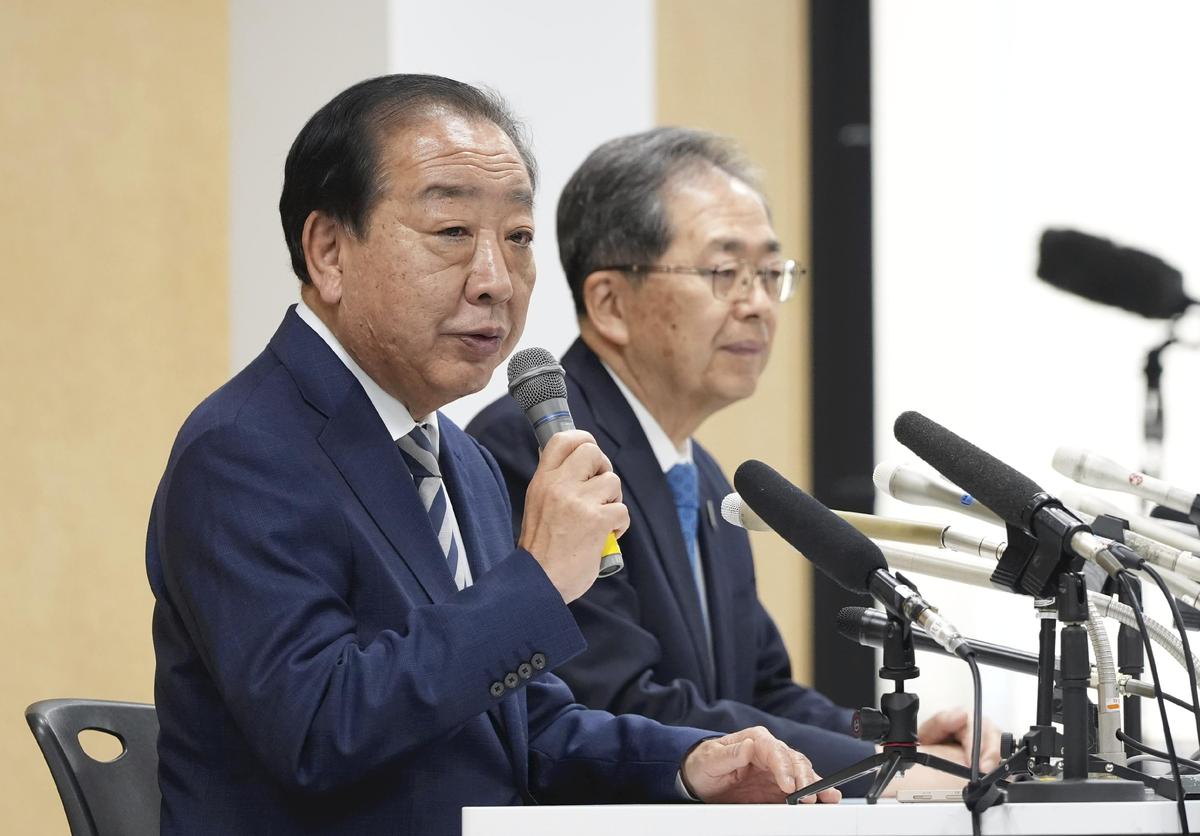
CRA coleader Yoshihiko Noda, left, and Tetsuo Saito speak at the press conference on Monday in Tokyo
14:21 JST, February 11, 2026
A Yomiuri Shimbun opinion survey conducted following Sunday’s House of Representative election highlighted that Prime Minister Sanae Takaichi’s Cabinet has been popular especially among younger people and men, indicating these groups welcomed the Liberal Democratic Party’s landslide victory.
The survey, conducted on Monday and Tuesday, showed that 55% of the respondents felt good about the latest election outcome overall. By age groups, 63% felt so among those ages 18-39, while 58% among those age 40-59. The gap of satisfaction was small among those ages 60 and over, with 48% saying good, while 38% saying not good. By gender, 61% of men were satisfied with the result, higher than 49% among women.
The Centrist Reform Alliance maintained its position as the largest opposition party after the election but saw a large number of former Constitutional Democratic Party of Japan members lose in single-seat constituencies. Eighty percent of the respondents expressed no expectation for the CRA, up 11 percentage points from the previous January survey conducted immediately after the lower house dissolution. The percentage of those who have expectations for the new party fell from 22% to 16%.
The survey asked the respondents, based on their party affiliation, to pick any of nine reasons given for the LDP’s victory and found that a lack of opposition party leaders’ appeal ranked third at 64% even among opposition supporters. The ranking matched that of the overall respondents. Expectations for Takaichi’s political stance ranked at the top of the reasons among opposition supporters with 73%. This reason came out on top among both supporters of ruling parties and independent voters as well.
This suggests that while Takaichi positioned trust in her leadership as a key issue, the opposition failed to present effective counterarguments, leading to a widespread perception among opposition supporters that they lost the leadership contest.
Shortcomings of opposition parties were also pointed out among independent voters, with 63% citing insufficiency of their campaign preparations, and 58% citing a lack of their leaders’ appeal.


Related Tags






Most Read
Popular articles in the past 24 hours
-
PM Takaichi's Online Popularity Also Drives LDP to Landslide Vict...
-
Social Media Exerts Growing Influence on Elections; Online Videos...
-

Japan’s Ruling LDP Expresses Reservations about 2nd-Vote Passage ...
-

Woman with No Overseas Travel History Infected with Measles in Na...
-

Milano Cortina 2026: Japan Won Bronze in Mixed Team Ski Jumping
-

9 Ehime Maru Tragedy Victims Remembered 25 Years On
-

Students Taken to Hospital after Eating Pizza Cooked at Class in ...
-

Milano Cortina 2026: Takanashi Gets Revenge as Japan’s Ski Jumper...
Popular articles in the past week
-

Israeli Ambassador to Japan Speaks about Japan’s Role in the Reco...
-

Woman with Measles Visited Hospital in Tokyo Multiple Times Befor...
-

LDP Wins Historic Landslide Victory
-

LDP Wins Landslide Victory, Secures Single-party Majority; Ruling...
-

U.N. Plans to Set Safety Regulation Standards on Automated Drivin...
-

SoftBank Launches AI Service for Call Centers That Converts Harsh...
-
Symptomatic Measles Victim Visited Defense Ministry in Tokyo; May...
-

Tokyo, Many Regions across Japan Hit with Heavy Snow
Popular articles in the past month
-

Japan Institute to Use Domestic Commercial Optical Lattice Clock ...
-

JAL, ANA Cancel Flights During 3-day Holiday Weekend due to Blizz...
-

Man Infected with Measles May Have Come in Contact with Many Peop...
-

China Eyes Rare Earth Foothold in Malaysia to Maintain Dominance,...
-
Israeli Ambassador to Japan Speaks about Japan’s Role in the Reco...
-

Japan, Qatar Ministers Agree on Need for Stable Energy Supplies; ...
-

Australian Woman Dies After Mishap on Ski Lift in Nagano Prefectu...
-
Foreign Snowboarder in Serious Condition After Hanging in Midair ...
Top Articles in Politics
-
LDP Wins Historic Landslide Victory
-
LDP Wins Landslide Victory, Secures Single-party Majority; Ruling Coalition with JIP Poised to Secure Over 300 seats (UPDATE 1)
-

Japan Tourism Agency Calls for Strengthening Measures Against Overtourism
-

Voters Using AI to Choose Candidates in Japan’s Upcoming General Election; ChatGPT, Other AI Services Found Providing Incorrect Information
-

Japan’s Prime Minister: 2-Year Tax Cut on Food Possible Without Issuing Bonds
JN ACCESS RANKING
-
Japan Institute to Use Domestic Commercial Optical Lattice Clock to Set Japan Standard Time
-
Man Infected with Measles May Have Come in Contact with Many People in Tokyo, Went to Store, Restaurant Around When Symptoms Emerged
-
China Eyes Rare Earth Foothold in Malaysia to Maintain Dominance, Counter Japan, U.S.
-
Israeli Ambassador to Japan Speaks about Japan’s Role in the Reconstruction of Gaza
-
Australian Woman Dies After Mishap on Ski Lift in Nagano Prefecture