
Japan to Face Shortfall of 3.39 Million Workers in AI, Robotics in 2040; Clerical Workers Seen to Be in Surplus
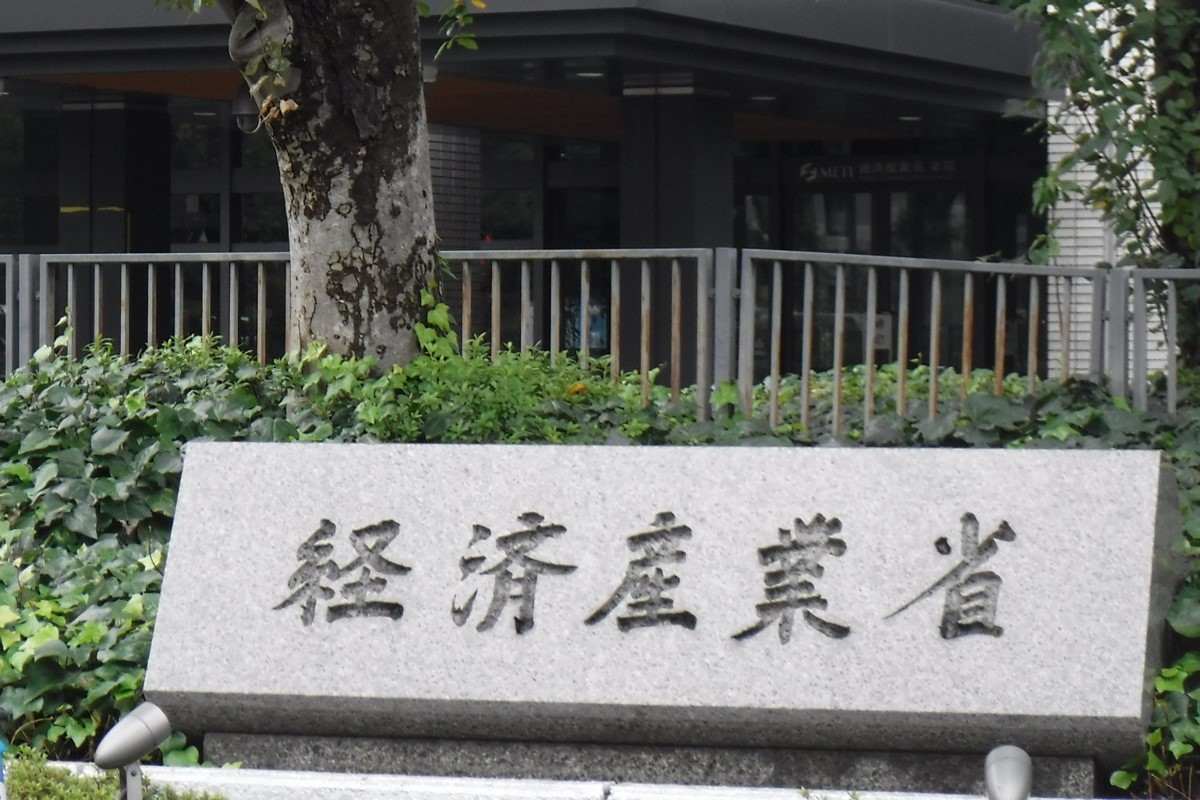
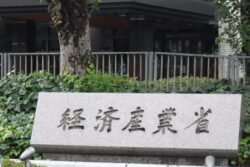
The Economy, Trade and Industry Ministry
2:00 JST, January 27, 2026
Japan will face a shortfall of 3.39 million workers in fields related to artificial intelligence and robotics in 2040, according to estimates by the Economy, Trade and Industry Ministry.
The ministry said only Tokyo, Chiba, Saitama and Kanagawa prefectures will be able to meet demand for the specialized workers, who include engineers responsible for developing and utilizing AI and robots.
The result may be severe labor shortages throughout the nation.
The industry ministry, the Education, Culture, Sports, Science and Technology Ministry and others plan to form a council at 10 locations nationwide to nurture such talent in local regions and begin discussions aimed at balancing labor supply and demand.
The estimates covered three labor categories: specialized, clerical and on-site workers. The estimates say Japan will have a shortage of 1.81 million specialized workers, almost 10% of the 18.67 million needed in 2040. There will be demand for 7.82 million specialized workers in the AI and robotics fields, with only 57%, or 4.43 million, of that demand expected to be met.
Similarly, factories, construction sites and service industries will face shortages totaling 2.6 million workers, 8% of the 32.83 million needed.
Meanwhile, there will be a surplus of clerical workers, with the supply exceeding the demand of 10.39 million by 4.37 million.
In eight regions — not including Tokyo and the other three prefectures — both specialized and on-site workers will be in short supply while clerical workers will be in surplus. The remainder of the Kanto region will have the most severe worker shortage, with a deficit of 890,000. The Chugoku region, on the other hand, will have the least severe shortage, with a deficit of 30,000.
Tokyo and the three neighboring prefectures will face labor shortages only for on-site jobs. Surpluses are seen mostly in clerical workers, for which there will be a lack of 1.93 million jobs. It is said that 1.07 million people who graduate from a general course at high school or major in liberal arts in universities or graduate schools may face difficulties finding employment.
The council consists of regional bureaus of labor, economy, trade and industry, as well as local governments, local business organizations and universities, among other entities. It is expected to serve as a forum for formulating human resources development plans based on the estimates and promote collaboration among business, government and academia. Discussions at the council are expected to begin in Hokkaido as early as next month.




Most Read
Popular articles in the past 24 hours
-

Japan Institute to Use Domestic Commercial Optical Lattice Clock ...
-

University of Tokyo Professor Arrested: Serious Lack of Ethical S...
-
Japan-U.S. Alliance Could Collapse If Japan Flees Amid Taiwan Cri...
-

Picnicking at PokéPark KANTO, Find the Very Best Feast to Fit You...
-

Trump Says Value of the Dollar Is 'Great', Currency Hits 4-Year L...
-

Doctor Arrested in Japan's Saga Prefecture Over Alleged Theft fro...
-
Keidanren Chairman Calls for Clarification of Alternative Social ...
-

Tokyo Police Refer 2 Chinese Nationals to Prosecutors over Illega...
Popular articles in the past week
-

Space Mission Demonstrates Importance of International Cooperatio...
-

Pentagon Foresees 'More Limited' Role in Deterring North Korea
-
Record-Breaking Snow Cripples Public Transport in Hokkaido; 7,000...
-

Aonishiki Tops Atamifuji in Playoff to Win New Year Grand Sumo To...
-

KDDI Opens AI Data Center at Former Sharp Plant in Osaka Prefectu...
-
JR Tokai, Shizuoka Pref. Agree on Water Resources for Maglev Trai...
-
Japan to Face Shortfall of 3.39 Million Workers in AI, Robotics i...
-

40 Million Foreign Visitors to Japan: Urgent Measures Should Be I...
Popular articles in the past month
-

Tokyo Zoo Wolf Believed to Have Used Vegetation Growing on Wall t...
-
Univ. in Japan, Tokyo-Based Startup to Develop Satellite for Disa...
-
JAL, ANA Cancel Flights During 3-day Holiday Weekend due to Blizz...
-
Snow Expected in Tokyo, Neighboring Prefectures from Jan. 2 After...
-
China Confirmed to Be Operating Drilling Vessel Near Japan-China ...
-

Tokyo, Yokohama Observe First Snowfall of Season; 1 Day Earlier t...
-

China Eyes Rare Earth Foothold in Malaysia to Maintain Dominance,...
-
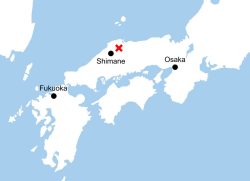
M6.2 Earthquake Hits Japan's Tottori, Shimane Prefectures; No Tsu...
Top Articles in Science & Nature
-
Univ. in Japan, Tokyo-Based Startup to Develop Satellite for Disaster Prevention Measures, Bears
-
Space Mission Demonstrates Importance of International Cooperation, Astronaut Kimiya Yui Says
-
Tsunami Can Travel Vast Distances Before Striking, Warn Japanese Researchers
-

Ancient Japanese Elephant Evolved Earlier Than Previously Thought, Analysis of DNA Suggests
-
Japan Institute to Use Domestic Commercial Optical Lattice Clock to Set Japan Standard Time
JN ACCESS RANKING
-
Univ. in Japan, Tokyo-Based Startup to Develop Satellite for Disaster Prevention Measures, Bears
-
JAL, ANA Cancel Flights During 3-day Holiday Weekend due to Blizzard
-
Snow Expected in Tokyo, Neighboring Prefectures from Jan. 2 Afternoon to Jan. 3; 5-Centimeter Snow Fall Expected in Hakone, Tama, and Chichibu Areas
-
China Confirmed to Be Operating Drilling Vessel Near Japan-China Median Line
-
Tokyo, Yokohama Observe First Snowfall of Season; 1 Day Earlier than Average Year