
Govt to Take Lead on Bear Population Surveys to Help Tackle Rise in Attacks
_d4tr3jj1sffcdnsa4gh0.jpg)
A bear is seen in a river in front of Morioka City Hall in Morioka on Oct. 23
17:44 JST, December 13, 2025
In response to the series of bear attacks on humans, the Environment Ministry plans to launch a nationwide survey next fiscal year to accurately determine the bear population using a standardized methodology.
Each prefecture has been conducting its own survey, but inconsistencies in methodology and frequency have been pointed out as a source of disparity between data and reality.
The central government hopes that local authorities can formulate management plans based on more accurate data and detailed habitat ranges, thereby helping curb human injuries and deaths.
You may also like to read
‘Bear’ Takes Top Spot as Japan’s Kanji of the Year, Reflecting Year of Bear Sightings, Attacks (Update1)Attacks continue
“I can’t believe the bear was out when it should be hibernating,” said a woman, after learning that a nearby resident was attacked by a bear in the village of Nozawa-Onsen, Nagano Prefecture.
The man was attacked by a bear while shoveling snow in the village on Dec. 4. He sustained injuries to his face and legs.
Even in December, bear sightings and human casualties have persisted in residential areas in Iwate, Toyama and other prefectures.
As of the end of November, 230 people have been attacked by bears this fiscal year. Of those, 13 have been killed. Both figures are the highest since records started being kept in fiscal 2006.
The number of bears captured or culled reached a record 9,867 by the end of October.
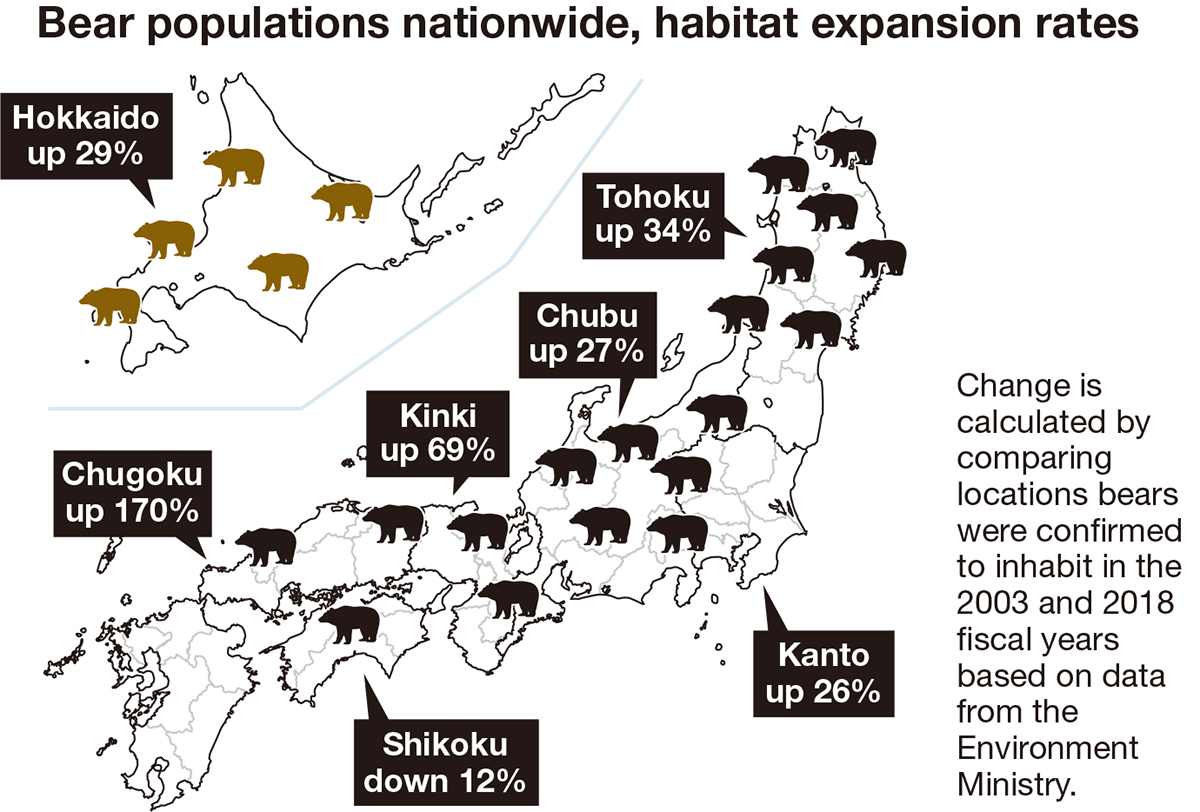
The rise in incidents can be partly attributed to bear habitats expanding into areas inhabited by humans.
According to a ministry survey, bear habitats expanded by about 30% in Hokkaido and about 40% in Honshu over the 15 years up to fiscal 2018.
The bear population is also believed to be increasing. It is estimated that there are about 12,000 brown bears and more than 42,000 Asiatic black bears nationwide.
“Since bears often cross prefectural borders, there is concern the actual population size is not accurate, as some bears might be counted in multiple prefectures,” a ministry official said.
Surveys not standardized
Population surveys, which are crucial for determining the annual capture quota, have been implemented, according to plans established by prefectural governments.
However, the survey methods varied by local government, with multiple methods utilized, such as camera traps and hair traps.
Camera traps are used to estimate population size by using images captured on cameras, and hair traps are used to calculate population size by collecting hair samples and identifying the DNA.
The frequency also varies by local government, ranging from annually to once every five years.
Ibaraki Prefecture has opted not to conduct any surveys, citing the low number of bear sightings and the assertion that bears do not inhabit the area.
According to the ministry, Japan has 23 separate bear populations: five in Hokkaido, 17 in Honshu and one in Shikoku. In the Tohoku region, there are several large populations that are estimated to each have more than 800 individuals, and their habitat is extensive.
Coordination among local governments is also challenging due to cost constraints and the bears’ extensive range of activity. There are only a few cases in which multiple local governments handle the same population.
Establishing a national initiative
The ministry has started considering the timing and methodology of surveying the different bear populations. The survey will be conducted over three years in cooperation with prefectural governments.
It plans to inform the local governments of the results, so they can use the data to formulate management plans, including the number of bears that need to be captured.
As part of countermeasures against bear attacks, the ministry plans to promote the culling of bears emerging from hibernation, a practice that previously only took place in parts of Hokkaido and Akita Prefecture.
The central government will now take the lead in managing bear populations instead of leaving it up to local governments.
“Implementing surveys with standardized methods is beneficial for population management,” said Tokyo University of Agriculture Prof. Koji Yamazaki who specializes in animal ecology. “Highly accurate and continuous surveys are important, both to prevent damage and to ensure bears do not go extinct.”
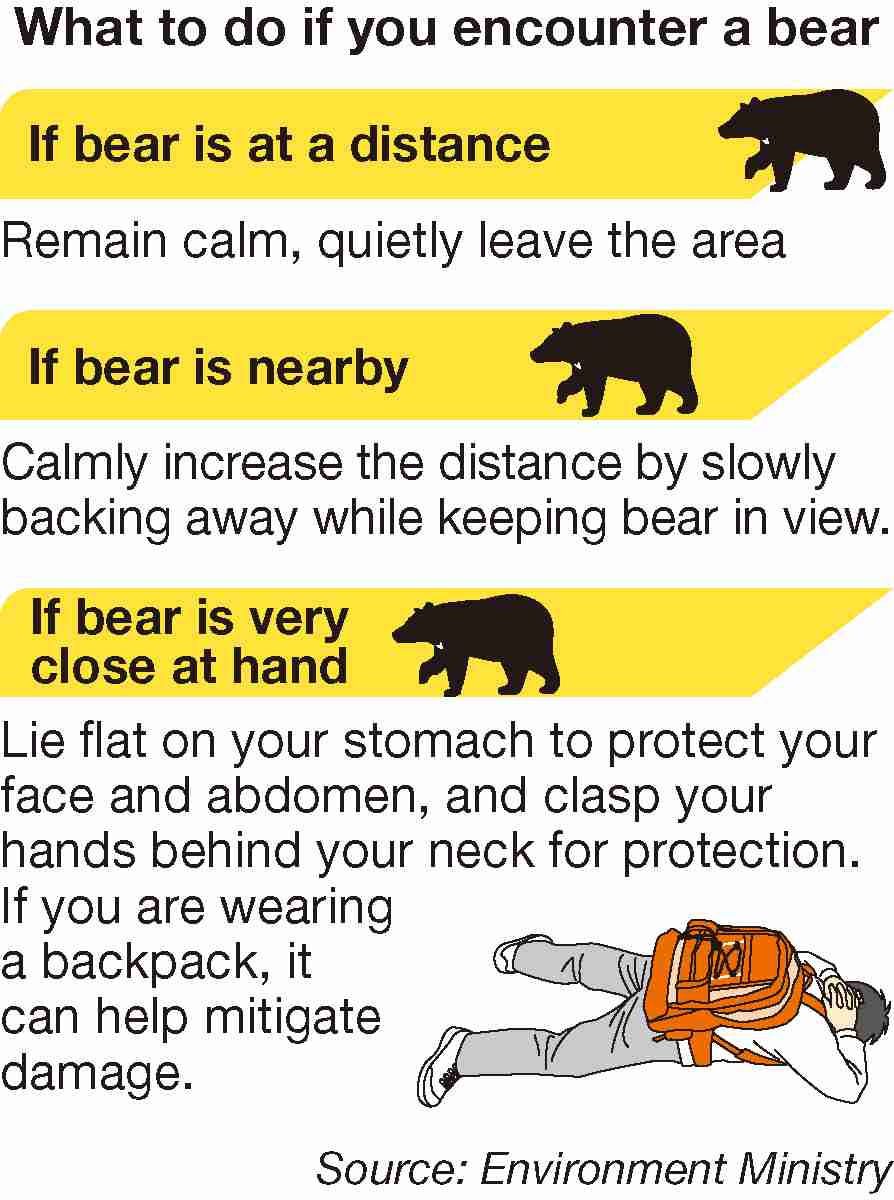
How to Protect Yourself During Bear Encounters


Related Tags




Most Read
Popular articles in the past 24 hours
-

Voters Using AI to Choose Candidates in Japan's Upcoming General ...
-
Japan's Snow-Clad Beauty: Camellia Flowers Seen in Winter Bloom a...
-

Monkey Strikes Junior High School Girl from Behind in Japan's Yam...
-

Genichiro Inokuma's Mural in Ueno Station That Gave Hope in Postw...
-

Senior Japanese Citizens Return to University to Gain Knowledge, ...
-

Foreign and Security Policy: Political Parties Must Discuss How T...
-
Heavy Snow Linked to 30 Deaths across Japan since Late Jan.; JMA ...
-

Tokyo Police Arrest Head of Resignation Assistance Firm
Popular articles in the past week
-

Japan Institute to Use Domestic Commercial Optical Lattice Clock ...
-
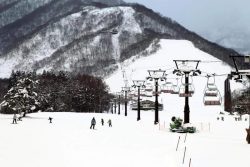
Australian Woman Dies After Mishap on Ski Lift in Nagano Prefectu...
-
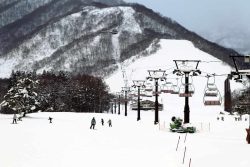
Foreign Snowboarder in Serious Condition After Hanging in Midair ...
-

Chinese Embassy in Japan Reiterates Call for Chinese People to Re...
-
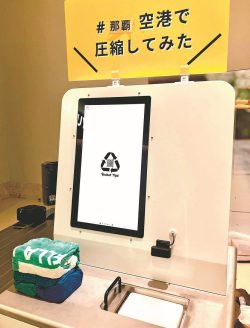
Narita Airport, Startup in Japan Demonstrate Machine to Compress ...
-

Toyota Motor Group Firm to Sell Clean Energy Greenhouses for Stra...
-

Sakie Yokota, Last Surviving Parent of a North Korea Abductee, Ur...
-

Beer Yeast Helps Save Labor, Water Use in Growing Rice; Govt Hope...
Popular articles in the past month
-
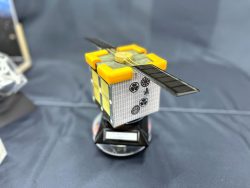
Univ. in Japan, Tokyo-Based Startup to Develop Satellite for Disa...
-
JAL, ANA Cancel Flights During 3-day Holiday Weekend due to Blizz...
-

China Confirmed to Be Operating Drilling Vessel Near Japan-China ...
-

China Eyes Rare Earth Foothold in Malaysia to Maintain Dominance,...
-
M6.2 Earthquake Hits Japan's Tottori, Shimane Prefectures; No Tsu...
-
Japan Institute to Use Domestic Commercial Optical Lattice Clock ...
-

Japan, Qatar Ministers Agree on Need for Stable Energy Supplies; ...
-

Japan, Italy to Boost LNG Cooperation; Aimed at Diversifying Japa...
Top Articles in Society
-
JAL, ANA Cancel Flights During 3-day Holiday Weekend due to Blizzard
-
Record-Breaking Snow Cripples Public Transport in Hokkaido; 7,000 People Stay Overnight at New Chitose Airport
-
Australian Woman Dies After Mishap on Ski Lift in Nagano Prefecture
-
Foreign Snowboarder in Serious Condition After Hanging in Midair from Chairlift in Nagano Prefecture
-
Train Services in Tokyo Resume Following Power Outage That Suspended Yamanote, Keihin-Tohoku Lines (Update 4)
JN ACCESS RANKING
-
Univ. in Japan, Tokyo-Based Startup to Develop Satellite for Disaster Prevention Measures, Bears
-
JAL, ANA Cancel Flights During 3-day Holiday Weekend due to Blizzard
-
China Confirmed to Be Operating Drilling Vessel Near Japan-China Median Line
-
China Eyes Rare Earth Foothold in Malaysia to Maintain Dominance, Counter Japan, U.S.
-
Japan Institute to Use Domestic Commercial Optical Lattice Clock to Set Japan Standard Time