
Dr. Nakamura’s Dream Clinic Awaits Leprosy Patients; Prejudice Toward Disease Remains Barrier
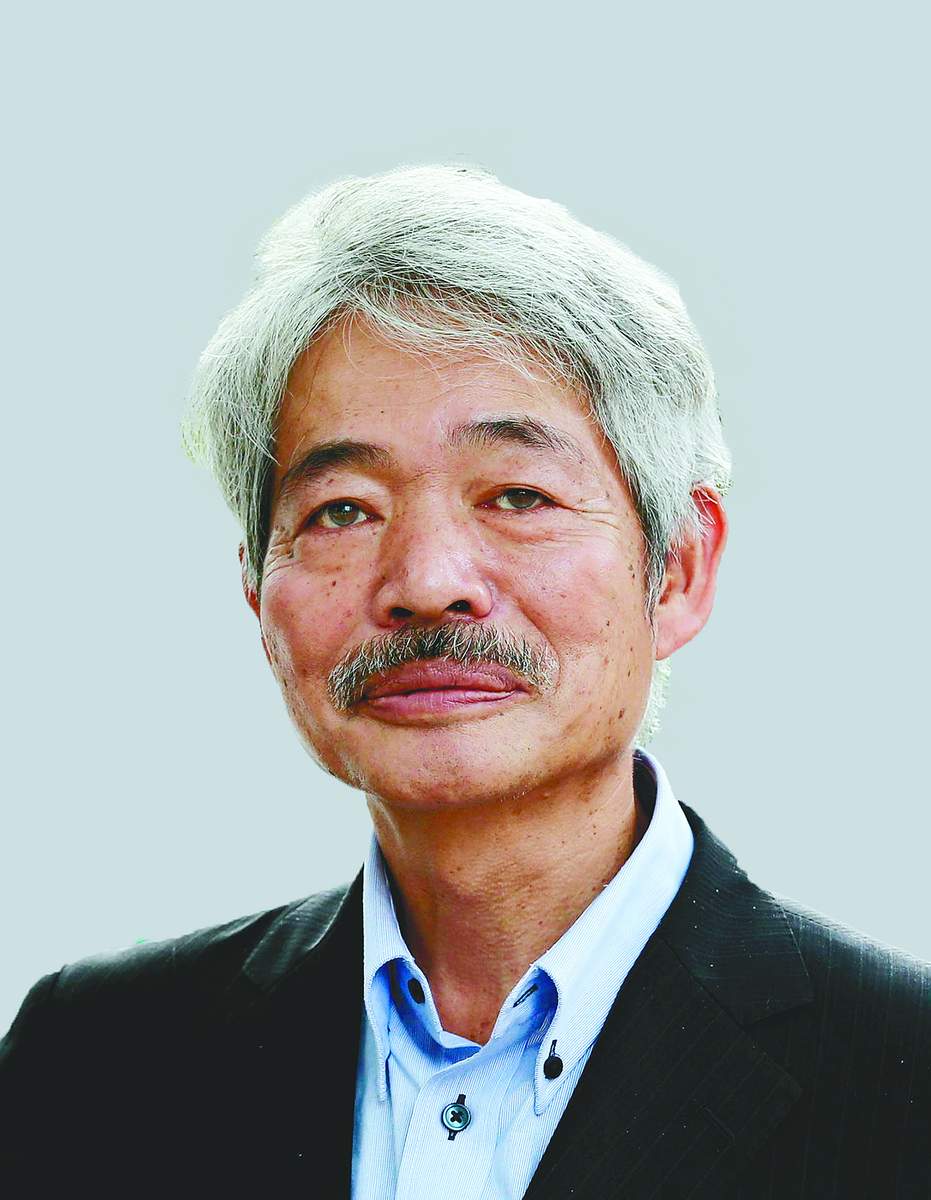
Tetsu Nakamura
2:00 JST, December 14, 2025
JALALABAD, Afghanistan — Thursday marked six years since Dr. Tetsu Nakamura was fatally shot at the age of 73 while engaging in humanitarian aid in Afghanistan, and the doctor’s lifelong dream has finally come true: A leprosy clinic has opened in Jalalabad, eastern Afghanistan.
However, no patients have voluntarily visited the new clinic, and staff are battling prejudice toward the disease.
The new clinic is operated by Fukuoka-based Peshawar-kai and Peace Japan Medical Services (PMS), a private Afghan NGO where Dr. Nakamura served as local representative. The two organizations rented a three-story house in the city and equipped it with 10 beds, making it capable of handling emergencies and long-term hospitalizations.
The 19 Afghans who make up the staff consist of two doctors, including a dermatologist, two male and two female nurses, a clinical laboratory technician, a pharmacist and others. The team includes doctors who supported Nakamura for many years and younger generations who were inspired by his projects, such as transforming desert into green spaces through agricultural irrigation canal development.
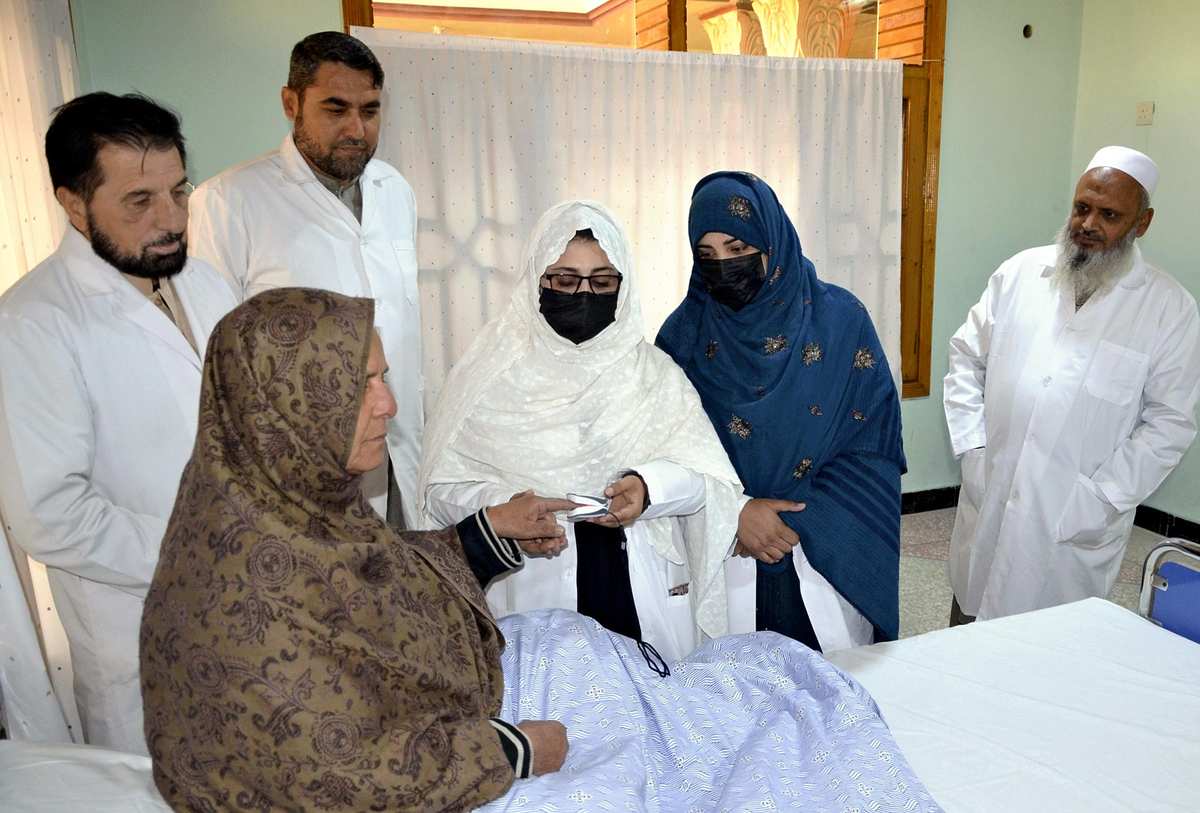
Dr. Mohammad Abid, left, and other Afghan staff make preparations at the leprosy clinic, which is Dr. Nakamura’s long-cherished dream, in Jalalabad, Afghanistan, on Nov. 27.
“Dr. Nakamura send me to clinic in Dara-e-Noor [in Afghanistan’s Nangarhar Province]. From that time, he said, ‘One day, I want to open a leprosy clinic in Jalalabad.’ But he didn’t know when,” said Dr. Mohammad Abid, 61, who had worked alongside Nakamura since the 1980s when he began treating leprosy patients in Peshawar, northwest Pakistan.
“It took long time to reach here,” he added.
Mountainous regions in the country with inadequate healthcare systems are said to have high numbers of leprosy patients. Moreover, in the 1980s, 200 to 300 Afghans traveled to Pakistan for treatment, according to Abid.
“Considering that Afghanistan has seen long-term conflicts, some areas may have many patients,” a Peshawar-kai member said.
Nevertheless, the absence of patients is said to be due to local prejudice toward leprosy and a lack of knowledge about the disease.
PMS has printed 2,000 referral cards for those with the disease or suspected of having it, but the initial strategy is to launch awareness campaigns emphasizing that leprosy is curable.
The project faces another challenge: None of the hired doctors or nurses have prior experience treating the disease, adding barriers to training.
Chiyoko Fujita, 66, a Peshawar-kai director and nurse with field experience, will train nurses at the clinic in December.
“We will take the utmost care to avoid creating unnecessary prejudices and will nurture the next generation to keep Dr. Nakamura’s hope alive,” Fujita said.


Related Tags

Most Read
Most read in the last 24 hours
-

Shifts Startup Focus to Nurturing Global Winners
-

Princess Aiko Enjoys Imperial Court Music, Dance; Production, Cos...
-

Bibimbap with Spring Vegetables and Asari Clam Miso a Rich Taste ...
-

Mother Supports My Sister Too Much, Gives Her Kids Much More Than...
-
Umami History: Kyoto Chef Murata Worked to Share Japan’s Scientif...
-

Appeal of Japanese Food: Make Good Use of ‘Discoveries’ by People...
-
Official App to Help Startups Meet Other Participants
-

Okinawa Gubernatorial Election: Candidates Should Advocate Realis...
Most read in the last 7 days
-
Earthquake Hits Japan's Tohoku Region; 3-meter Tsunami Warning Is...
-
China, South Korea Object to Japanese PM Takaichi's Ritual Offeri...
-

Trump Extends the Ceasefire with Iran but Keeps the Blockade
-

India's Arms Indigenization Quest for Self-Reliance / New Delhi S...
-
¥1,000 Coins to Be Issued to Mark Anniversary of Beginning of Jap...
-

Most Serious Cyberattacks against the UK Now from Russia, Iran an...
-

Trump Opposes United–American Merger, Signals Support for Spirit
-

System Malfunction in Haneda Airport Causes 83 Flight Cancelation...
Most read in the last 30 days
-
Earthquake Hits Japan's Tohoku Region; 3-meter Tsunami Warning Is...
-
Police Find Child's Shoe During Search for Missing Boy in Nantan,...
-
Body Found in Nantan, Kyoto Prefecture, During Search for 11-Year...
-
China, South Korea Object to Japanese PM Takaichi's Ritual Offeri...
-
Cherry Blossoms, Rapeseed Flowers Perform Colorful ‘Duet’ in Niig...
-
Trump Extends the Ceasefire with Iran but Keeps the Blockade
-

Olympic Gold Medal-Winning Figure Skaters Riku-Ryu Announce Retir...
-
Japanese Prime Minister Takaichi Speaks to Pakistani Prime Minist...
Top Articles in World
-
China, South Korea Object to Japanese PM Takaichi’s Ritual Offering to Yasukuni Shrine
-
Japanese Prime Minister Takaichi Speaks to Pakistani Prime Minister Sharif, Emphasizes Importance of Reaching Agreement Through Dialogue
-

Japan Ekiden Road Relay Race Held near New Delhi to Deepen Japan-India Exchanges
-

Used School Backpacks Ready to Be Shipped to Afghanistan
-

Ishiba, Lee Meet in Seoul, Agree to Continue Future-Oriented, Cooperative Relations
JN ACCESS RANKING
-
Earthquake Hits Japan’s Tohoku Region; 3-meter Tsunami Warning Issued (Update 1)
-
Police Find Child’s Shoe During Search for Missing Boy in Nantan, Kyoto Prefecture
-
Body Found in Nantan, Kyoto Prefecture, During Search for 11-Year-Old Boy in Area (Update 1)
-
China, South Korea Object to Japanese PM Takaichi’s Ritual Offering to Yasukuni Shrine
-
Cherry Blossoms, Rapeseed Flowers Perform Colorful ‘Duet’ in Niigata
Most read in the last 24 hours
-
Shifts Startup Focus to Nurturing Global Winners
-
Princess Aiko Enjoys Imperial Court Music, Dance; Production, Cos...
-
Bibimbap with Spring Vegetables and Asari Clam Miso a Rich Taste ...
-
Mother Supports My Sister Too Much, Gives Her Kids Much More Than...
-
Umami History: Kyoto Chef Murata Worked to Share Japan’s Scientif...
Most read in the last 7 days
-
Earthquake Hits Japan's Tohoku Region; 3-meter Tsunami Warning Is...
-
China, South Korea Object to Japanese PM Takaichi's Ritual Offeri...
-
Trump Extends the Ceasefire with Iran but Keeps the Blockade
-
India's Arms Indigenization Quest for Self-Reliance / New Delhi S...
-
¥1,000 Coins to Be Issued to Mark Anniversary of Beginning of Jap...
Most read in the last 30 days
-
Earthquake Hits Japan's Tohoku Region; 3-meter Tsunami Warning Is...
-
Police Find Child's Shoe During Search for Missing Boy in Nantan,...
-
Body Found in Nantan, Kyoto Prefecture, During Search for 11-Year...
-
China, South Korea Object to Japanese PM Takaichi's Ritual Offeri...
-
Cherry Blossoms, Rapeseed Flowers Perform Colorful ‘Duet’ in Niig...