
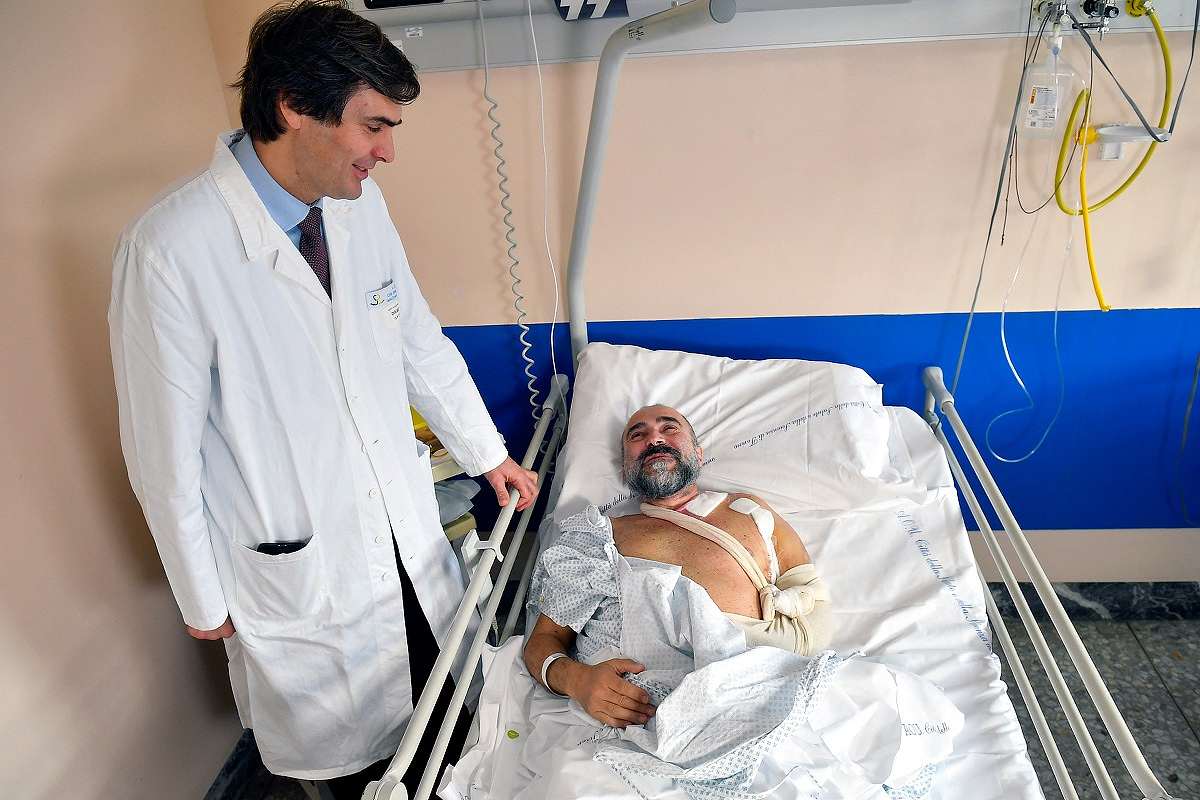
Surgeon at Turin City Hospital, Paolo Titolo, and 55-year-old health care worker Marcello Gaviglio, who had a nerve transplant from his amputated foot to restore his paralyzed hand, are seen in Turin on Dec. 27.
18:15 JST, January 11, 2024
TURIN (Reuters) — A man may regain the use of his hand, left paralyzed by a severe road accident, thanks to a pioneering nerve transfer operation from his partly amputated leg, doctors in northern Italy said.
Surgeons at Turin City Hospital (CTO) transferred part of the man’s sciatic nerve, which controlled the movement of his amputated foot, to his brachial plexus, the network of nerves that connect the spinal cord to the shoulder, arm and hand.
“It’s the first time that someone transfers a component of the sciatic nerve to the brachial plexus,” Paolo Titolo, one of the surgeons who performed the operation, said in an interview with Reuters on Dec. 27.
Marcello Gaviglio, a health care worker, had to have half his left leg amputated after he was hit by a motorbike five months ago while travelling to work on his moped.
He suffered serious injuries to his brachial plexus as well as his leg, leaving him unable to use either of his hands.
Because the part of the sciatic nerve that controlled his left foot was no longer needed, it could be transferred to the shoulder area in the operation carried out on Dec. 21, potentially restoring the mobility to one of his hands.
Before it is clear if that is possible, Gaviglio will have to undergo around 5 months of post-operative care. For now, he is still unable to move the hand at all.
Nerve transfer surgery is not new, but it has not previously involved moving a nerve that normally controls the foot to an area that controls the hand.
“We think this is pioneering surgery because if it works it means that the brain plasticity can control also other parts of the body that we didn’t expect and also opens new fields in neuro studies,” Titolo said.
The aim is to restore “some grasp function” to the hand, which will then also be able to help the other hand to do things, he added.
The procedure was the result of four years of research and was published in the medical journal Injury.
Gaviglio, the patient, said he had given little thought to the pioneering aspect of the surgery, he just felt it was an opportunity he should take advantage of.
“I thought about relying on a team of very good doctors and being able to move my hand again a little bit,” he said.






Popular Articles
Popular articles in the past 24 hours
-
Japanese Public, Private Sectors to Partner on ¥3 Tril. Project t...
-
Japan High School Boys Set New Record in Relay Race; Winning Girl...
-
Japan, China Continue Trading Barbs Over Radar Incident; Tokyo Re...
-
Japanese Lawmakers Support Continued Ban on Sports Betting
-

JAXA Stops Rocket Launch Broadcast amid Engine Issues
-

JAXA Launches 8th H3 Rocket from Japan’s Kagoshima Pref.
-

Japan's Nikkei Stock Average Jumps on Weaker Yen, Renewed AI Opti...
-
Japan's Govt to Subsidize Licensed Hunters Amid Efforts to Addres...
Popular articles in the past week
-
Israeli Tourists Refused Accommodation at Hotel in Japan’s Nagano...
-
Tsukiji Market Urges Tourists to Avoid Visiting in Year-End
-

U.S. Senate Resolution Backs Japan, Condemns China's Pressure
-

Kenta Maeda Joins Rakuten Eagles; Returns from American MLB to Ja...
-
Sharp Decline in Number of Chinese Tourists But Overall Number of...
-
China Attacks Japan at U.N. Security Council Meetings; Representa...
-

Japan Set to Participate in EU's R&D Framework, Aims to Boost Coo...
-
Japan Backs Public-Private Cooperation on Economic Security; Nati...
Popular articles in the past month
-
Keidanren Chairman Yoshinobu Tsutsui Visits Kashiwazaki-Kariwa Nu...
-
Imports of Rare Earths from China Facing Delays, May Be Caused by...
-
Tokyo Economic Security Forum to Hold Inaugural Meeting Amid Tens...
-
University of Tokyo Professor Discusses Japanese Economic Securit...
-
Japan Pulls out of Vietnam Nuclear Project, Complicating Hanoi's ...
-

Govt Aims to Expand NISA Program Lineup, Abolish Age Restriction
-
Blanket Eel Trade Restrictions Rejected
-

Key Japan Labor Group to Seek Pay Scale Hike
"Science & Nature" POPULAR ARTICLE
-

Genome Study Reveals Milestone in History of Cat Domestication
-
Big Leap in Quest to Get to Bottom of Climate Ice Mystery
-
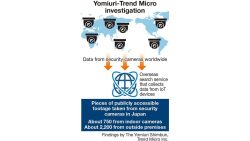
Security Camera Footage Vulnerable to Outside Access; Investigation Finds 3,000 Pieces Exposed Online
-

Paws on Parade: Nairobi’s Dogs Dazzle at ‘Pawchella’
-
Japan Set to Participate in EU’s R&D Framework, Aims to Boost Cooperation in Tech, Energy
JN ACCESS RANKING
-
Keidanren Chairman Yoshinobu Tsutsui Visits Kashiwazaki-Kariwa Nuclear Power Plant; Inspects New Emergency Safety System
-
Imports of Rare Earths from China Facing Delays, May Be Caused by Deterioration of Japan-China Relations
-
Tokyo Economic Security Forum to Hold Inaugural Meeting Amid Tense Global Environment
-
University of Tokyo Professor Discusses Japanese Economic Security in Interview Ahead of Forum
-
Japan Pulls out of Vietnam Nuclear Project, Complicating Hanoi’s Power Plans