
U.S. Firm to Build Training Hub in Fukushima N-plant for Debris Removal; Plans to Establish Training Center by 2029
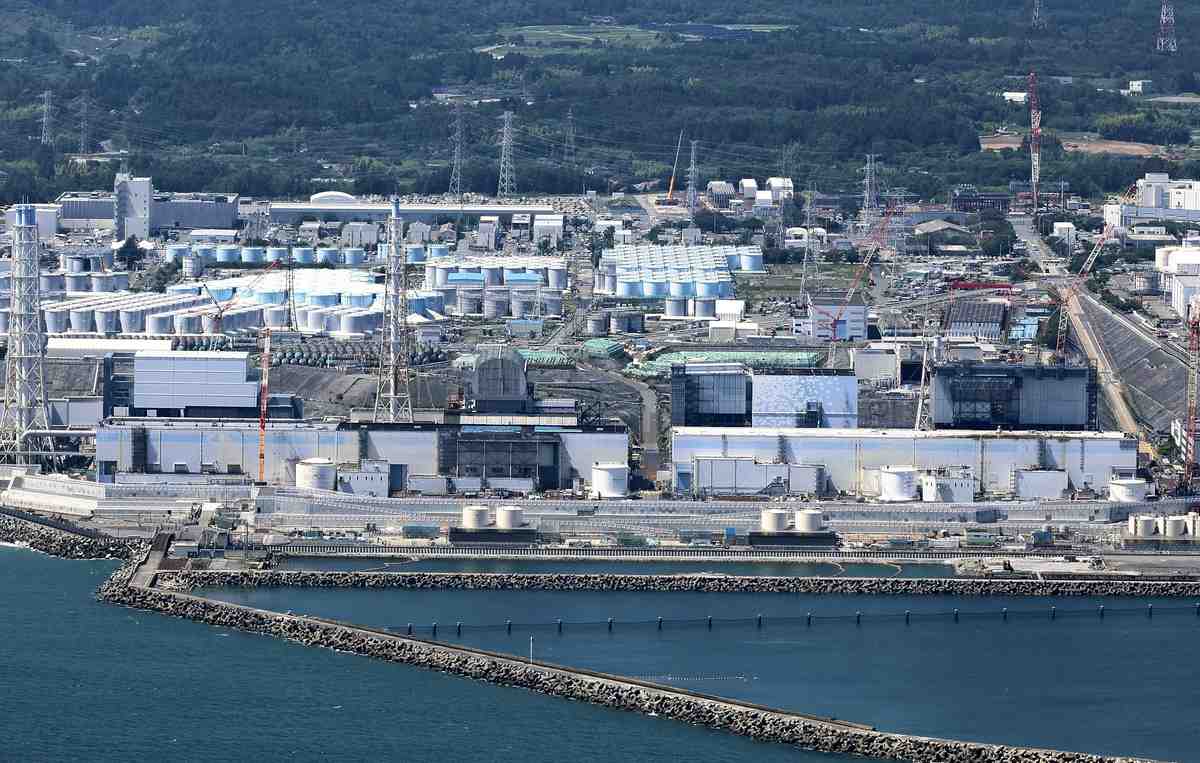
The Fukushima No. 1 nuclear power plant on December 2025, as decommissioning work moves forward
2:00 JST, February 18, 2026
A U.S. nuclear decommissioning firm plans to establish a training center in Futaba, Fukushima Prefecture, by 2029 to train personnel on the removal of fuel debris at the crippled Fukushima No. 1 nuclear power plant, it has been learned.
With an eye to full-scale operations for fuel debris removal as early as 2037, Amentum Services Inc. aims to ensure a continuous supply of specialized personnel, including by drawing from younger generations.
The Virginia-based company, which has already signed a collaboration agreement with Tokyo Electric Power Company Holdings Inc., plans to strengthen its partnership with the utility as they look to complete the decommissioning process.
The debris in question is nuclear fuel that melted, mixed with concrete and other structural parts of the reactor, and then solidified. Due to the accident at TEPCO’s Fukushima No. 1 nuclear plant, the Nos. 1 to 3 reactors contain an estimated 880 tons of debris.
Although TEPCO has removed debris in two trial runs at the No. 2 reactor, only 0.9 grams of debris have been collected so far. The fuel debris continues to release deadly amounts of radiation, enough to kill someone nearby in minutes.
Amentum disclosed its plan for the training hub to The Yomiuri Shimbun, marking a key step in its commitment to the decommissioning project.
With operations in about 80 countries and more than 53,000 employees, the company formulates and manages decommissioning plans and schedules.
Amentum has provided technical support for decommissioning at Sellafield Ltd.’s nuclear facility in Britain and the Chornobyl nuclear plant in Ukraine. The Chornobyl accident rated Level 7 on the International Nuclear and Radiological Event Scale, equal in severity to the Fukushima No. 1 disaster.
TEPCO aims to complete decommissioning work by 2051, with about 4,000 to 5,000 people currently engaged in the project. Last year, the utility shifted its timeline for full-scale debris removal, pushing back the start from the early 2030s to 2037 or later.
This major setback is due to the extensive time needed to demolish highly radioactive buildings adjacent to the reactor buildings.
As extreme radiation levels inside the reactor buildings — where there are massive amounts of fuel debris — render on-site training almost impossible, there has been a pressing need for a facility where workers can master the necessary techniques.
With about 70% of the decommissioning workforce residing in Fukushima Prefecture, Amentum has focused on the town of Futaba, which hosts the Fukushima No. 1 plant, as the location for its training base. In a step toward this goal, the company opened an office in the town in October last year.
Under a collaboration agreement signed with TEPCO in 2022, Amentum has been providing support for the decommissioning plan.
The training facility, set to be built over the next one to three years, is expected to offer technical training in operating remote-controlled equipment for debris removal and using digital technologies, among other areas.
Amentum, which runs a training hub for the Sellafield decommissioning project in Britain, plans to share successful case studies from that site at the Futaba facility to ensure a steady supply of highly skilled workers.
Loren Jones, a senior vice president at Amentum, said that the project is a crucial mission in Fukushima and that the firm hopes to work with local research bodies to cultivate young specialists and future leadership candidates to support TEPCO.
TEPCO, for its part, said it intends to deepen collaboration with Amentum and make steady progress on initiatives to decommission the plant.





Most Read
Popular articles in the past 24 hours
-

Tokyo Stocks Dive amid Crude Surge; Nikkei Down Over 4,000 Points
-

Foreign Influence Operations: This Issue Is No Longer Someone Els...
-

Japan's Lower House Holds Public Hearings on Budget Over Weekend ...
-

Tokyo’s Classic ‘Pointed Hat’ Intake Tower Cameos in Films, Anime...
-
World's Oldest Bio-Business Is Japan's Seed Koji Retailing, Mold ...
-
Former Unification Church Files Special Appeal to Supreme Court t...
-
208 Japanese Nationals Who Evacuated Qatar Arrive in Saudi Arabia
-

Man Attacked by Bear in Iwate Pref.; Injuries Not Life-Threatenin...
Popular articles in the past week
-

Ibaraki Pref.'s 1st Foreign Bus Driver Hired in Tsukuba
-

Amid Strait of Hormuz Blockade, Shipping Companies Scramble to Ge...
-

Strait of Hormuz Closure Shakes Markets; Prolonged Closure Could ...
-
2 Unpublished Early Novellas by Japan's Kenzaburo Oe Discovered, ...
-

Japan's 2nd Round of U.S. Investments May Be Worth Over $100 Bill...
-
Japan Govt Survey Finds Just 10% of Workers Want Working Hours to...
-
Iran Situation: Japan Must Exert Diplomatic Efforts without Merel...
-

Imperial Family Watches World Baseball Classic Game Against Austr...
Popular articles in the past month
-

Producer Behind Pop Group XG Arrested for Cocaine Possession
-

Japan PM Takaichi’s Cabinet Resigns en Masse
-

Man Infected with Measles Reportedly Dined at Restaurant in Tokyo...
-

Videos Plagiarized, Reposted with False Subtitles Claiming ‘Ryuky...
-

Prudential Life Insurance Plans to Fully Compensate for Damages C...
-

iPS Treatments Pass Key Milestone, but Broader Applications Far f...
-

Sanae Takaichi Elected Prime Minister of Japan; Keeps All Cabinet...
-

Nepal Bus Crash Kills 19 People, Injures 25 Including One Japanes...
Top Articles in Society
-
Producer Behind Pop Group XG Arrested for Cocaine Possession
-
Man Infected with Measles Reportedly Dined at Restaurant in Tokyo Station
-

Bus Carrying 40 Passengers Catches Fire on Chuo Expressway; All Evacuate Safely
-
Tokyo Skytree’s Elevator Stops, Trapping 20 People; All Rescued (Update 1)
-

Woman with No Overseas Travel History Infected with Measles in Nara Pref.
JN ACCESS RANKING
-
Producer Behind Pop Group XG Arrested for Cocaine Possession
-
Japan PM Takaichi’s Cabinet Resigns en Masse
-
Man Infected with Measles Reportedly Dined at Restaurant in Tokyo Station
-
Videos Plagiarized, Reposted with False Subtitles Claiming ‘Ryukyu Belongs to China’; Anti-China False Information Also Posted in Japan
-
Prudential Life Insurance Plans to Fully Compensate for Damages Caused by Fraudulent Actions Without Waiting for Third-Party Committee Review