
Yamanaka Traditional Lacquerware Enhancing Wood Grain, Texture; Uses Technique of Turning Wood on Lathe, Shaping It with Blade

Kawagita shaves wood using a lathe and a turner.
12:42 JST, March 12, 2025
KAGA, Ishikawa — Ishikawa Prefecture is home to three major production areas for lacquerware, a traditional handicraft. These are Wajima, Kanazawa and Yamanaka.
Yamanaka’s lacquerware is produced in the Yamanaka hot spring resort area in the city of Kaga.
The Ishikawa Prefectural Training Institute of Woodturning in the area is the only place in Japan where the technique of turning wood on a lathe and shaping it with a blade is formally taught.
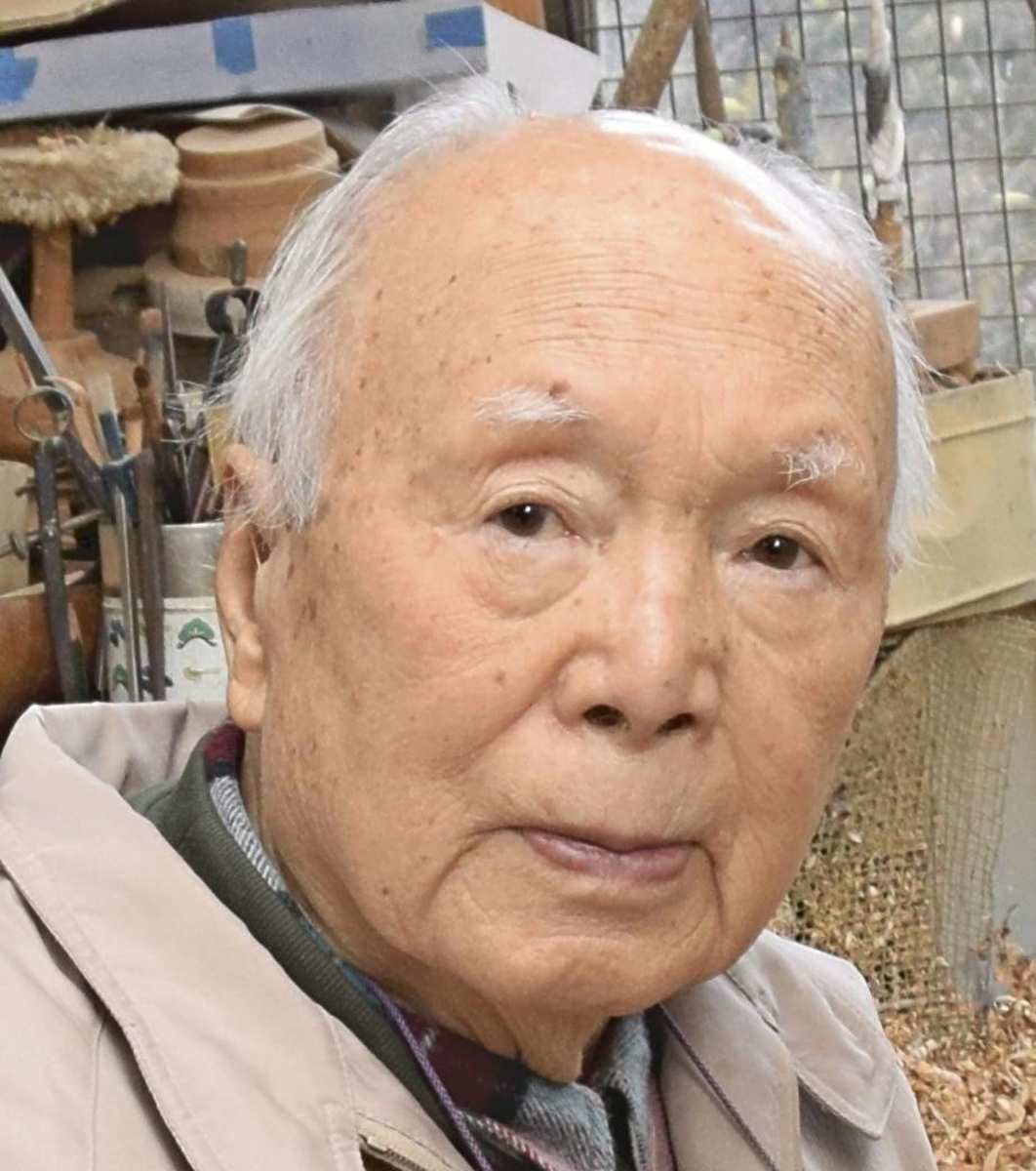
Ryozo Kawagita
Ryozo Kawagita, a living national treasure of woodcraft, heads the institute.
The 90-year-old craftsman still works every day. “I do not have any particular feeling about reaching this age. I just, as a craftsperson, carry on what previous generations have done,” Kawagita said matter-of-factly.
He then talked enthusiastically about ancient woodwork excavated from an archaeological site. “I am moved by the depth of history,” he said with a sparkle in his eyes.
Yamanaka lacquerware has a history of more than 400 years. It is characterized by the deliberate display of the natural beauty of wood. Rather than applying many layers of colored lacquer, Yamanaka ware focuses on the wood’s grain and texture.
The simple lacquer finish highlights the advanced technique called kashokubiki, in which a planer is applied to the surface of the material to create a fine pattern. The planers that artisans use are also handmade, and dozens of different types of planers are said to be used.
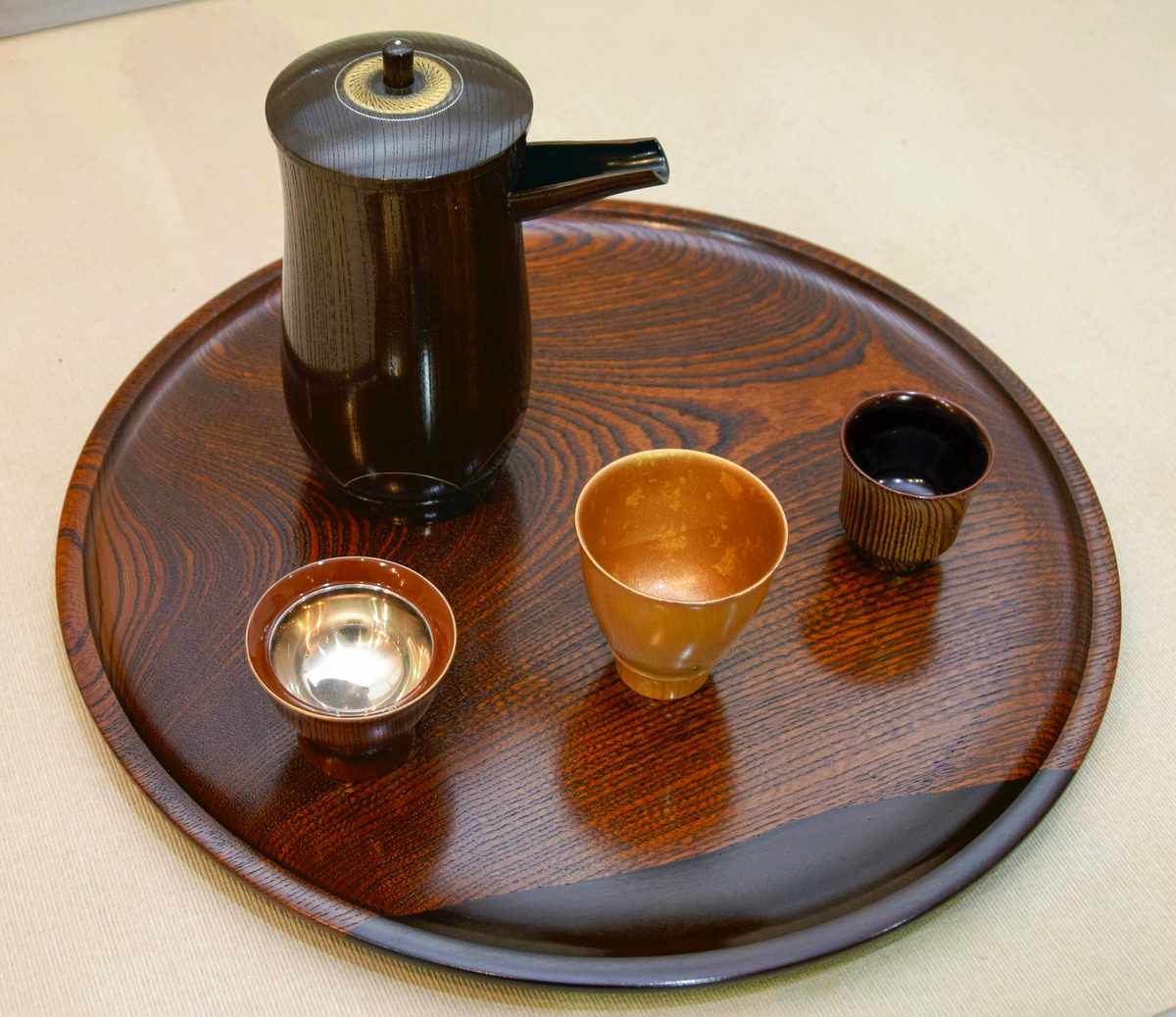
Lacquerware by Ryozo Kawagita
Kawagita chooses different wood depending on its characteristics for each type of ware he makes. He also assesses differences in quality even among the same types of wood.
“Trees that grow on slopes become stronger as they try to stay in place. You can tell where they grew by looking at the logs,” Kawagita said. He said that he is constantly struck by the power of nature.
His 62-year-old son and 33-year-old grandson also work at his workshop, where the sound of a stream can be heard. Seeing his promising successors, Kawagita said with a smile, “I am a lucky person.”
Besides Yamanaka lacquerware made by dedicated artisans, there also are products made for modern lifestyles, including more affordable lacquerware made from resin, a line developed after World War II.
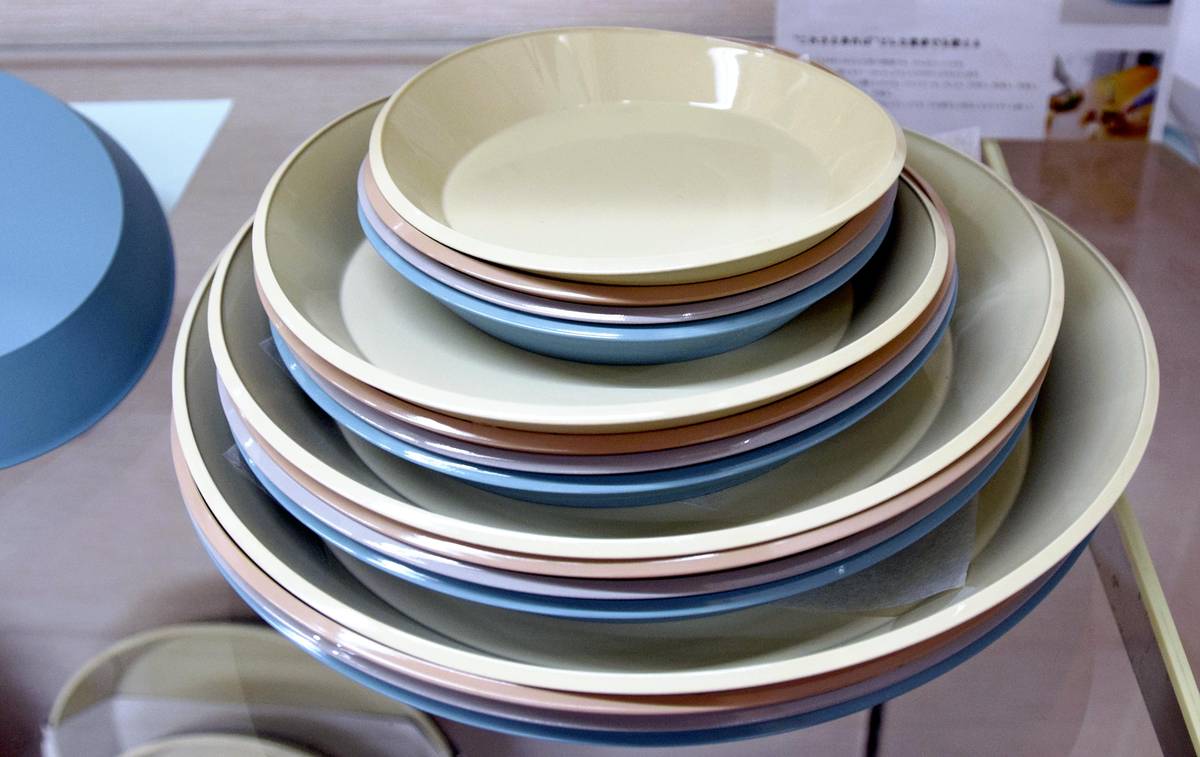
Resin-made Colessae products
The Yamanaka Lacquerware Cooperative Association runs two Yamanaka tableware brands. Colessae is a collection of a resin-made, urethane-coated products, and mononogu is a series of wooden lacquerware.
“We want people to use different kinds of products depending on where they are used in daily life,” said Shunsuke Takenaka, 66, chairman of the association.
In December last year, a facility to showcase more than 1,000 pieces of Yamanaka lacquerware was set up at JR Kagaonsen Station following the extension of the Hokuriku Shinkansen. Visitors to the facility are in for a spectacular sight.


Related Tags


Most Read
Popular articles in the past 24 hours
-

McDonald's Japan Raises Prices; Big Mac to Cost ¥500, Double Chee...
-

Nepal Bus Crash Kills 19 People, Injures 25 Including One Japanes...
-

Japan’s Nikkei Stock Average Rises as AI-Related Stocks Shine; Co...
-

Aggression against Ukraine: Malignant Precedent Must Not Be Set t...
-
Joruri Bunraku Narrative Performed in Honor of Donald Keene by La...
-
Milano Cortina 2026: Gold Medal Olympic Figure Skaters Riku Miura...
-

CARTOON OF THE DAY (February 24)
-

Kanto's 1st Spring Wind Blows as Tokyo Sees Unseasonably High Tem...
Popular articles in the past week
-

Producer Behind Pop Group XG Arrested for Cocaine Possession
-

Sanae Takaichi Elected Prime Minister of Japan; Keeps All Cabinet...
-

Japan's Govt to Submit Road Map for Growth Strategy in March, PM ...
-

Bus Carrying 40 Passengers Catches Fire on Chuo Expressway; All E...
-

Japan, U.S. Name 3 Inaugural Investment Projects; Reached Agreeme...
-

iPS Treatments Pass Key Milestone, but Broader Applications Far f...
-

Riku-Ryu Pair Wins Gold Medal: Their Strong Bond Leads to Major C...
-
Tokyo Skytree's Elevator Stops, Trapping 20 People; All Rescued (...
Popular articles in the past month
-
Producer Behind Pop Group XG Arrested for Cocaine Possession
-

Japan PM Takaichi’s Cabinet Resigns en Masse
-

Japan Institute to Use Domestic Commercial Optical Lattice Clock ...
-

Man Infected with Measles Reportedly Dined at Restaurant in Tokyo...
-

Israeli Ambassador to Japan Speaks about Japan’s Role in the Reco...
-

Videos Plagiarized, Reposted with False Subtitles Claiming ‘Ryuky...
-

Man Infected with Measles May Have Come in Contact with Many Peop...
-

Prudential Life Insurance Plans to Fully Compensate for Damages C...
Top Articles in Society
-
Producer Behind Pop Group XG Arrested for Cocaine Possession
-
Man Infected with Measles Reportedly Dined at Restaurant in Tokyo Station
-
Man Infected with Measles May Have Come in Contact with Many People in Tokyo, Went to Store, Restaurant Around When Symptoms Emerged
-

Woman with Measles Visited Hospital in Tokyo Multiple Times Before Being Diagnosed with Disease
-
Australian Woman Dies After Mishap on Ski Lift in Nagano Prefecture
JN ACCESS RANKING
-
Producer Behind Pop Group XG Arrested for Cocaine Possession
-
Japan PM Takaichi’s Cabinet Resigns en Masse
-
Man Infected with Measles Reportedly Dined at Restaurant in Tokyo Station
-
Israeli Ambassador to Japan Speaks about Japan’s Role in the Reconstruction of Gaza
-
Videos Plagiarized, Reposted with False Subtitles Claiming ‘Ryukyu Belongs to China’; Anti-China False Information Also Posted in Japan