
Japanese Government to Lower Hurdles for New Drug Applications; Aims to Improve Japan’s ‘Drug Loss’ Problem
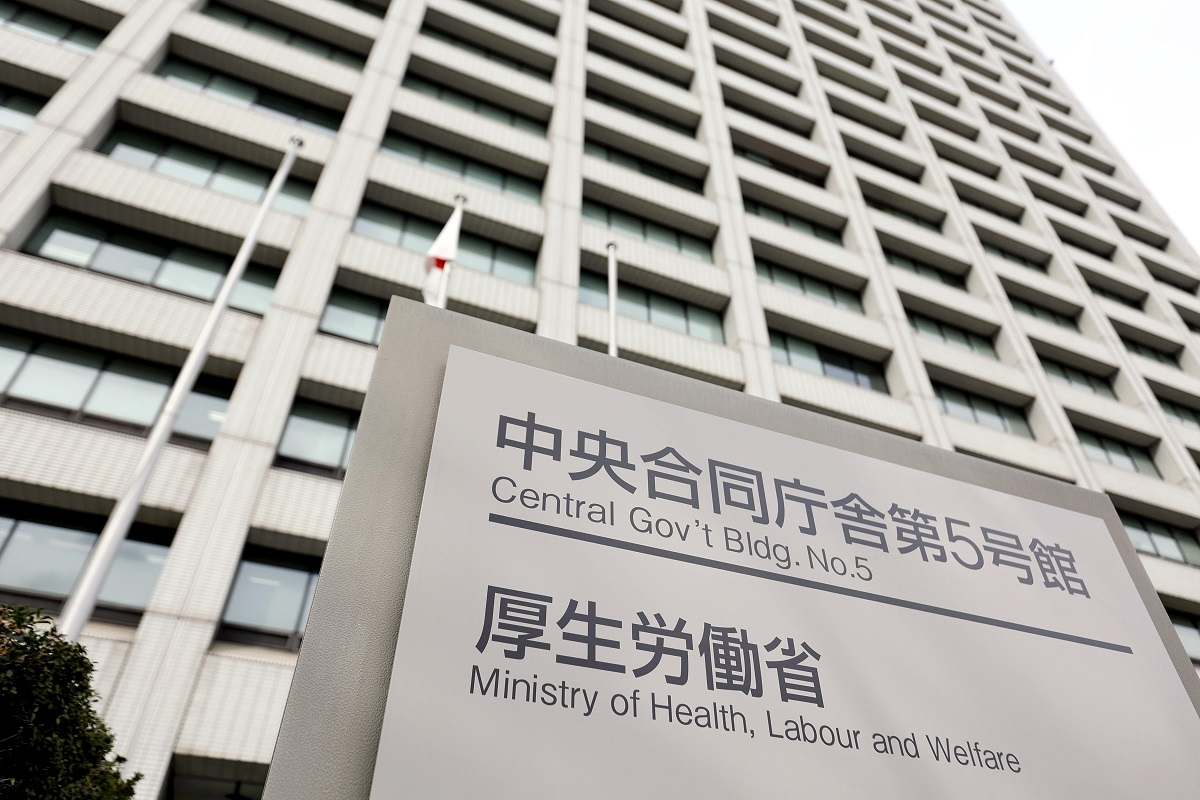
The Health, Labor, and Welfare Ministry
15:37 JST, April 29, 2024
The Health, Labor, and Welfare Ministry has decided to ease requirements for the approval of applications for new drugs for rare diseases such as childhood cancers. The ministry aims to improve the so-called “drug loss” problem, in which drugs approved overseas are not available in Japan by encouraging foreign pharmaceutical companies to apply for approval, thereby shortening the time taken before the drugs can be put to practical use. A new system is expected to be introduced as early as May, which will accept applications even without clinical trial data from Japanese patients.
When developing therapeutic drugs, pharmaceutical companies conduct clinical trials to determine efficacy and safety. The results of the trials are submitted to the government for approval, and after a review process, the drug is approved for manufacture and sale in Japan.
Since some drugs may differ in efficacy and side effects based on race and other factors, the results of clinical trials conducted on Japanese subjects must also be submitted under the country’s current drug approval system. These additional trials can be very costly. One of the reasons for drug loss is believed to be that foreign companies, to avoid such costs, decide not file applications in Japan.
Under the new system, if a drug is expected to be highly effective and beneficial to Japanese patients, even taking into account side effects, the application can be accepted without Japanese data, provided that certain conditions are met.
Possible conditions include: clinical trials have already been completed overseas, additional trials in Japan are difficult due to the small number of patients (less than a few hundred) and the disease progresses quickly and is life-threatening.
Pharmaceutical companies will collect and submit test data on Japanese subjects during the approval process and during its use in the medical field in Japan. The government will use the additional data to then confirm efficacy and side effects.
The number of drugs approved overseas but not available in Japan is increasing. According to the health ministry, of the 143 drugs approved in Europe and the U.S. but not yet approved in Japan as of March 2023, 86 had not been filed in Japan and 40 were drugs for diseases for which there are few patients.
The development of new drugs for rare diseases is costly and unprofitable due to the small number of patients. In the United States and other countries, drug discovery is increasingly being led by startup companies, and the ministry has determined that measures are needed to ensure the introduction of such new drugs to Japan.








Most Read
Popular articles in the past 24 hours
-
Record 167 Elementary School Students Harmed Via Social Media in ...
-

Nidec Chairman Resigns Amid Accounting Scandal at Major Japanese ...
-

Japan’s Hikonyan Cat Mascot to Celebrate 20th Birthday with Party...
-

Humbert Humbert: Husband-Wife Vocal Duo Brings Cheerful Singing t...
-

Trump’s Address: Confront the Dead End that Authoritarianism Has ...
-

Japan's Kairos Rocket Set to Launch on Sunday After Delays
-

Mizuho to Cut Up to 5,000 Administrative Jobs with AI-Driven Oper...
-

Pakistan, Afghan Forces Clash after Days of Hostilities
Popular articles in the past week
-

Producer Behind Pop Group XG Arrested for Cocaine Possession
-

iPS Treatments Pass Key Milestone, but Broader Applications Far f...
-

Tokyo Skytree's Elevator Stops, Trapping 20 People; All Rescued (...
-

Nepal Bus Crash Kills 19 People, Injures 25 Including One Japanes...
-

Milano Cortina 2026: Japanese Gold Medalist Figure Skater Miura S...
-

Japan’s Major Real Estate Firms Expanding Overseas Businesses to ...
-

Reciprocal Tariffs Ruled Illegal: Judiciary Would Not Tolerate Pr...
-

Japanese High School Student Aims to Share Kaiten History Through...
Popular articles in the past month
-
Producer Behind Pop Group XG Arrested for Cocaine Possession
-

Japan PM Takaichi’s Cabinet Resigns en Masse
-

Japan Institute to Use Domestic Commercial Optical Lattice Clock ...
-

Man Infected with Measles Reportedly Dined at Restaurant in Tokyo...
-

Israeli Ambassador to Japan Speaks about Japan’s Role in the Reco...
-

Videos Plagiarized, Reposted with False Subtitles Claiming ‘Ryuky...
-

Man Infected with Measles May Have Come in Contact with Many Peop...
-

Prudential Life Insurance Plans to Fully Compensate for Damages C...
Top Articles in Society
-
Producer Behind Pop Group XG Arrested for Cocaine Possession
-
Man Infected with Measles Reportedly Dined at Restaurant in Tokyo Station
-
Man Infected with Measles May Have Come in Contact with Many People in Tokyo, Went to Store, Restaurant Around When Symptoms Emerged
-

Woman with Measles Visited Hospital in Tokyo Multiple Times Before Being Diagnosed with Disease
-

Australian Woman Dies After Mishap on Ski Lift in Nagano Prefecture
JN ACCESS RANKING
-
Producer Behind Pop Group XG Arrested for Cocaine Possession
-
Japan PM Takaichi’s Cabinet Resigns en Masse
-
Man Infected with Measles Reportedly Dined at Restaurant in Tokyo Station
-
Israeli Ambassador to Japan Speaks about Japan’s Role in the Reconstruction of Gaza
-
Videos Plagiarized, Reposted with False Subtitles Claiming ‘Ryukyu Belongs to China’; Anti-China False Information Also Posted in Japan