

A woman wears a dress from the Bishu Lolita brand in Ichinomiya, Aichi Prefecture.
12:06 JST, October 5, 2021
ICHINOMIYA, Aichi — A traditional textile industry has been getting a head-turning new makeover in Ichinomiya, a leading producer of woolen fabrics in Japan.
Since last year, designers and local businesses have been collaborating to create gothic Lolita-fashions from Bishu wool, a fabric that has traditionally been associated more with men’s clothing than frilly, princess-style dresses.
The initiative has even resulted in the birth of a fashion brand named Bishu Lolita, which specializes in monochrome black and gray designs that “combine traditional fabrics and cuteness.”
About 30 dresses with lacy necklines and hems hung from the racks of photo studio in the city, where patrons can dress up in Lolita fashions. The shop was opened six years ago by designer Chocolat, the granddaughter of a suit tailor.
Local companies such as the Kuzuri Wool Weaving Co. have long provided fabrics for high-end men’s clothing, characterized by their fineness and elegant luster. But even they have been surprised by the mashup.
“We would have never imagined this combination before, but this initiative is a great opportunity for young people to discover the quality of Bishu fabrics,” said Satoshi Kuzuya, 48, managing director at Kuzuri.
Bishu Lolita has sold 50 dresses online since launching last year and made its runway debut at a fashion show in June.
Lolita fashion model Midori Fukasawa participated in the show and helped promote the brand.
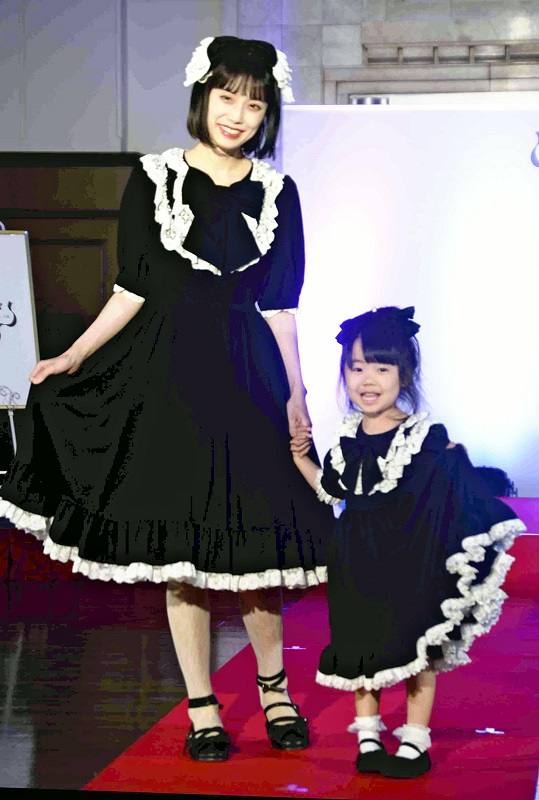
A woman and child wear matching dresses from the Bishu Lolita brand in Ichinomiya, Aichi Prefecture.
In a testament to brand’s growing popularity, Bishu Lolita garments are now even available as a return gift for tax-deductible donations made to Ichinomiya city under the furusato nozei system.
The area around the city, known as the Bishu region, accounts for about 70% of the woolen fabrics produced in Japan. The region has ranked alongside Biella, Italy, as one of the top three woolen fabric production areas in the world.
But the fortunes of the city’s woolen industry have been fading in recent years. The low cost of products made by overseas competitors has pushed down sales to about a quarter of their former prime.
“I want to help cherish the tradition [of Bishu fabrics], by making Lolita garments that can be worn in everyday life,” Chocolat said.






Most Read
Popular articles in the past 24 hours
-
6 Injured at Naked Festival in Japan’s Okayama Prefecture; Police...
-

Fiji Defense Minister Hopes Japan Will Support Stabilization of P...
-

Space One Delays Launch of No. 3 Kairos Rocket; Company to Announ...
-

Milano Cortina 2026: Malinin Highlights Dangers of Social Media i...
-

Reciprocal Tariffs Ruled Illegal: Judiciary Would Not Tolerate Pr...
-

Japanese Film, Anymart, Wins Critics’ Award at International Film...
-

3rd Japan Pacific Islands Defense Dialogue to Begin in Tokyo on S...
-

India, Brazil Sign Mining Pact As Modi Targets $20 Billion Trade ...
Popular articles in the past week
-

Japan PM Takaichi’s Cabinet Resigns en Masse
-

Man Infected with Measles Reportedly Dined at Restaurant in Tokyo...
-

Sanae Takaichi Elected Prime Minister of Japan; Keeps All Cabinet...
-

Japan's Govt to Submit Road Map for Growth Strategy in March, PM ...
-

Bus Carrying 40 Passengers Catches Fire on Chuo Expressway; All E...
-

Milano Cortina 2026: Figure Skaters Riku Miura, Ryuichi Kihara Pa...
-

Japan, U.S. Name 3 Inaugural Investment Projects; Reached Agreeme...
-

U.S. Firm to Build Training Hub in Fukushima N-plant for Debris R...
Popular articles in the past month
-
Japan PM Takaichi’s Cabinet Resigns en Masse
-

Japan Institute to Use Domestic Commercial Optical Lattice Clock ...
-

Israeli Ambassador to Japan Speaks about Japan’s Role in the Reco...
-
Man Infected with Measles Reportedly Dined at Restaurant in Tokyo...
-

Videos Plagiarized, Reposted with False Subtitles Claiming ‘Ryuky...
-

Man Infected with Measles May Have Come in Contact with Many Peop...
-

Prudential Life Insurance Plans to Fully Compensate for Damages C...
-

Woman with Measles Visited Hospital in Tokyo Multiple Times Befor...
Top Articles in Society
-
Man Infected with Measles Reportedly Dined at Restaurant in Tokyo Station
-
Man Infected with Measles May Have Come in Contact with Many People in Tokyo, Went to Store, Restaurant Around When Symptoms Emerged
-
Woman with Measles Visited Hospital in Tokyo Multiple Times Before Being Diagnosed with Disease
-

Australian Woman Dies After Mishap on Ski Lift in Nagano Prefecture
-

Foreign Snowboarder in Serious Condition After Hanging in Midair from Chairlift in Nagano Prefecture
JN ACCESS RANKING
-
Japan PM Takaichi’s Cabinet Resigns en Masse
-
Japan Institute to Use Domestic Commercial Optical Lattice Clock to Set Japan Standard Time
-
Israeli Ambassador to Japan Speaks about Japan’s Role in the Reconstruction of Gaza
-
Man Infected with Measles Reportedly Dined at Restaurant in Tokyo Station
-
Videos Plagiarized, Reposted with False Subtitles Claiming ‘Ryukyu Belongs to China’; Anti-China False Information Also Posted in Japan