
No Genome-Edited Babies for Japan: Health Ministry to Submit Bill Banning Implantation of Edited Zygotes
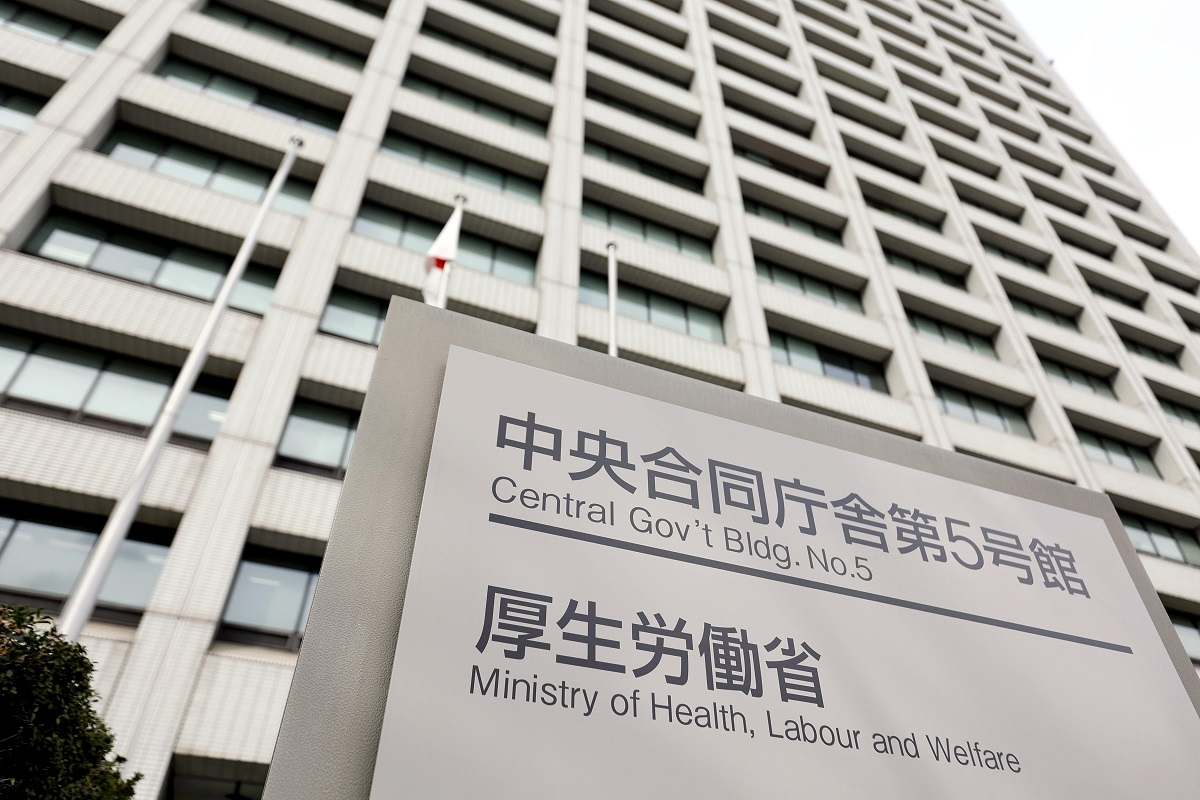
The Health, Labor and Welfare Ministry in Tokyo
12:09 JST, December 9, 2025
A regulatory proposal prohibiting the implantation of fertilized human eggs that have been modified with genome editing technology into human or animal wombs was finalized on Thursday by a joint meeting of specialized committees from the Health, Labor and Welfare Ministry and the Education, Culture, Sports, Science and Technology Ministry.
Genome editing technology targets certain genes and efficiently alters them.
Penalties for violations will also be established. The goal is to submit a bill as early as next year during the ordinary Diet session.
In 2018, the birth of genome-edited babies from genome-edited fertilized eggs was publicly announced in China, drawing global condemnation. Japan established guidelines in 2019 that permitted research on genome-edited fertilized eggs for basic research purposes only and prohibited research involving their implantation into human or animal wombs.
According to the proposed regulations, research involving the implantation of genome-edited human fertilized eggs into wombs will be prohibited by law. Researchers must submit a plan detailing creation method, quantity and research content to the government in advance for research involving the creation or use of genome-edited human fertilized eggs. The government can order the suspension or modification of the plan as necessary.
Detailed guidelines incorporating specific regulatory content will be formulated to define aspects such as plan requirements. Furthermore, the possibility of permitting future clinical use will be continuously reviewed.
Research using genome editing technology on fertilized eggs is expected to shed light on the causes of such conditions as infertility and congenital disorders. However, there are strong concerns regarding the technology to create genome-edited babies in wombs. Countries in Europe and the United States have established legal regulations with penalties.
Meanwhile, in recent years, some overseas start-ups have been attempting to treat congenital disorders in fertilized eggs and create genome-edited babies.
The joint meeting concluded with an agreement on a policy to strengthen regulations in Japan, because current technological standards cannot sufficiently confirm the safety and risks in the next-generation and beyond.
In 2021, a World Health Organization (WHO) advisory committee published a report recommending a prohibition on the clinical use of genome editing technology on fertilized human eggs.







Most Read
Popular articles in the past 24 hours
-

Tokyo Stocks Dive amid Crude Surge; Nikkei Down Over 4,000 Points
-

Foreign Influence Operations: This Issue Is No Longer Someone Els...
-

Japan's Lower House Holds Public Hearings on Budget Over Weekend ...
-

World's Oldest Bio-Business Is Japan's Seed Koji Retailing, Mold ...
-

Tokyo’s Classic ‘Pointed Hat’ Intake Tower Cameos in Films, Anime...
-

Former Unification Church Files Special Appeal to Supreme Court t...
-

208 Japanese Nationals Who Evacuated Qatar Arrive in Saudi Arabia
-

Man Attacked by Bear in Iwate Pref.; Injuries Not Life-Threatenin...
Popular articles in the past week
-

Ibaraki Pref.'s 1st Foreign Bus Driver Hired in Tsukuba
-

Amid Strait of Hormuz Blockade, Shipping Companies Scramble to Ge...
-

Strait of Hormuz Closure Shakes Markets; Prolonged Closure Could ...
-

2 Unpublished Early Novellas by Japan's Kenzaburo Oe Discovered, ...
-

Japan's 2nd Round of U.S. Investments May Be Worth Over $100 Bill...
-
Japan Govt Survey Finds Just 10% of Workers Want Working Hours to...
-
Iran Situation: Japan Must Exert Diplomatic Efforts without Merel...
-

Imperial Family Watches World Baseball Classic Game Against Austr...
Popular articles in the past month
-

Producer Behind Pop Group XG Arrested for Cocaine Possession
-

Japan PM Takaichi’s Cabinet Resigns en Masse
-

Man Infected with Measles Reportedly Dined at Restaurant in Tokyo...
-

Videos Plagiarized, Reposted with False Subtitles Claiming ‘Ryuky...
-

Prudential Life Insurance Plans to Fully Compensate for Damages C...
-

iPS Treatments Pass Key Milestone, but Broader Applications Far f...
-

Sanae Takaichi Elected Prime Minister of Japan; Keeps All Cabinet...
-

Nepal Bus Crash Kills 19 People, Injures 25 Including One Japanes...
Top Articles in Science & Nature
-
iPS Treatments Pass Key Milestone, but Broader Applications Far from Guaranteed
-

Record 700 Startups to Gather at SusHi Tech Tokyo in April; Event Will Center on Themes Like Artificial Intelligence and Robotics
-
iPS Cell Products for Parkinson’s, Heart Disease OK’d for Commercialization by Japan Health Ministry Panel
-

Japan to Ban Use of Power Banks on Airplanes
-

Mt. Meakan in Japan’s Hokkaido Erupts, Plume Reaches 100 Meters
JN ACCESS RANKING
-
Producer Behind Pop Group XG Arrested for Cocaine Possession
-
Japan PM Takaichi’s Cabinet Resigns en Masse
-
Man Infected with Measles Reportedly Dined at Restaurant in Tokyo Station
-
Videos Plagiarized, Reposted with False Subtitles Claiming ‘Ryukyu Belongs to China’; Anti-China False Information Also Posted in Japan
-
Prudential Life Insurance Plans to Fully Compensate for Damages Caused by Fraudulent Actions Without Waiting for Third-Party Committee Review