
Japan on Defensive in China’s Continuing Information War; Government Must Take Steps to Change the Narrative
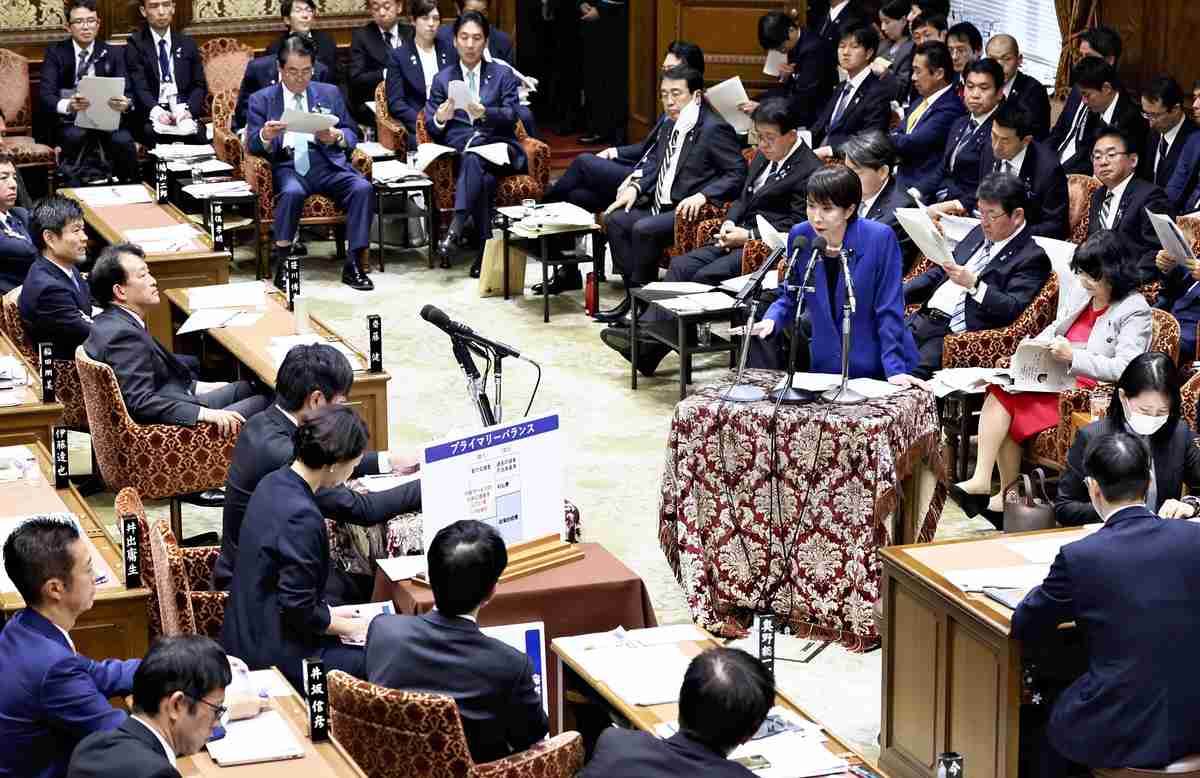
Prime Minister Sanae Takaichi speaks during a House of Representatives Budget Committee meeting in the Diet Building on Nov. 7, when she made a remark on a Taiwan contingency.
2:00 JST, December 8, 2025
Sunday marks one month since Prime Minister Sanae Takaichi remarked on a possible Taiwan contingency during Diet deliberations. Takaichi said a Taiwan contingency could constitute a “survival-threatening situation” for Japan, which would allow the nation to exercise the right of collective self-defense in a limited manner.
Since then China has widely criticized Japan in the international community, claiming Japan suggested military intervention in Taiwan. Japan has been mostly on the defensive amid the furor, and the government needs to take urgent steps to change the course.
“Japan and France are maintaining close communication on various issues, including relations with China,” Chief Cabinet Secretary Minoru Kihara said at a press conference on Friday.
Kihara’s statement was made in response to Thursday’s meeting between Chinese President Xi Jinping and French President Emmanuel Macron in Beijing, where Xi urged the French leader to “stand firmly on the right side of history.”
Japan is lagging behind in China’s strategic information war.
Xi spoke to U.S. President Donald Trump on the phone on Nov. 24, stressing the importance for the two countries “to jointly safeguard the victory of World War II.” Having tactically woven history into Takaichi’s remark, Xi apparently meant to create the impression that Japan, a defeated nation, is attempting to change the status quo by force in the Taiwan Strait.
With German and British leaders scheduled to visit China next year, this unusual situation of China’s top leader actively engaging in an information war is likely to continue.
Takaichi held phone talks with Trump the day after Xi. Likewise, Keiichi Ichikawa, secretary general of the National Security Secretariat, did not contact his British and French counterparts until three to five days after Chinese Foreign Minister Wang Yi.
France will host next year’s Group of Seven summit and, according to Bloomberg, is considering inviting China. China’s momentum in drawing in European nations and the United States cannot be underestimated.
Possible delay in Taiwan policy
“We are deliberately striving for a restrained response to avoid playing the same game,” a senior Japanese Foreign Ministry official said.
China’s Consul General in Osaka Xue Jian made an inappropriate post on social media in response to Takaichi’s remark, but as one example of how the government is carefully considering its moves, another senior Japanese Foreign Ministry official said that if the government were to deport Xue over that post, “he’d only be treated as a hero in China, which would benefit Beijing.”
Amid steady approval ratings for the Cabinet, the Takaichi administration seems to gaining confidence.
However, this kind of passive approach might put Japan at a disadvantage in the ongoing information war. Particularly concerning is the stagnation of its policy regarding Taiwan.
Since last September, the government has had a Maritime Self-Defense Force destroyer pass through the Taiwan Strait three times. It thereby aimed to demonstrate its presence under the principles of “freedom of navigation” and deter China, which is intensifying pressure on Taiwan.
However, a senior Self-Defense Forces official said: “The passage [of an MSDF vessel] at this point would be used by China as a propaganda tool to claim ‘Japan has demonstrated its willingness for armed intervention through action.’ Unless the government ceases China’s information war, the situation remains difficult for Japan.”
Proper explanation necessary
According to government sources, during the recent phone talks with Takaichi, Trump expressed understanding of Japan’s position while conveying his view that further deterioration of the situation between Japan and China is undesirable.
Eager to visit China next year, Trump has not announced support for Japan this time around.
“Now that the United States and China are inching closer, Trump must have concluded it’s wiser to distance himself from the Japan-China confrontation in a classic Trump-style strategic ambiguity,” said a diplomatic source close to Tokyo and Washington. For the time being, it looks unrealistic to expect support from the United States, which is Japan’s ally.
“Japan should avoid a war of words with China, but it needs to make greater diplomatic efforts commensurate with the global attention,” said Ryo Sahashi, a professor of international relations theory at the University of Tokyo. “Japan should explain that Takaichi’s remark does not imply changing the status quo, but rather represents proactive pacifism to preserve regional stability amid declining U.S. involvement. It should also ensure that this positive interpretation is widely known through summit diplomacy.”






Most Read
Popular articles in the past 24 hours
-

Lady Bess: Iroha Okuda, Mayuko Kominami Discuss Performing Elizab...
-
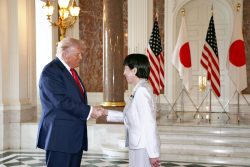
Japan Considering Taking Part in U.S. ‘Golden Dome’ Defense Syste...
-

Japan's TEPCO Releases Footage from Fukushima N-Plant Reactor
-

Oil Reserve Releases: G7 Members Unite against Growing Threat
-
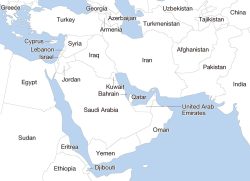
46 Evacuated from UAE, Oman on Japanese Govt-chartered Flight
-

Japan's Sanyo Shinkansen Suspended Again; Between Okayama, Aioi S...
-

Driver Dies in Collision with Express Train at Crossing in Mito; ...
-
Raise Interest Rate, Stop Yen’s Fall to Stabilize Prices
Popular articles in the past week
-

Japan Figure Skating Legend Yuzuru Hanyu Is Proud Disaster Surviv...
-

Nippon Life Insurance's U.S. Arm Sues OpenAI Over Legal Assistanc...
-
Govt to Utilize ODA for Ensuring Economic Security; Securing Ener...
-
15 Measles Patients Confirmed in Tokyo in Past 6 Days; 1 May Have...
-
Massive Sewer Pipe Found Jutting Out of Highway in Osaka
-
Japan Govt to Tighten Requirements to Receive Permanent Residency...
-

Beckoning Cats Get Makeover to Fit Modern Lifestyles with Sleek D...
-
Japan's 2nd Round of U.S. Investments May Be Worth Over $100 Bill...
Popular articles in the past month
-

Producer Behind Pop Group XG Arrested for Cocaine Possession
-

Japan PM Takaichi’s Cabinet Resigns en Masse
-

Man Infected with Measles Reportedly Dined at Restaurant in Tokyo...
-

Videos Plagiarized, Reposted with False Subtitles Claiming ‘Ryuky...
-
Japan Figure Skating Legend Yuzuru Hanyu Is Proud Disaster Surviv...
-

iPS Treatments Pass Key Milestone, but Broader Applications Far f...
-

Sanae Takaichi Elected Prime Minister of Japan; Keeps All Cabinet...
-

Nepal Bus Crash Kills 19 People, Injures 25 Including One Japanes...
Top Articles in Politics
-
Japan PM Takaichi’s Cabinet Resigns en Masse
-
Sanae Takaichi Elected Prime Minister of Japan; Keeps All Cabinet Appointees from Previous Term
-

Japan’s Govt to Submit Road Map for Growth Strategy in March, PM Takaichi to Announce in Upcoming Policy Speech
-
LDP Begins Training New Lawmakers to Avoid Scandal, Gaffes; Historic Victory in Latest Election Heightens Focus on Party
-

Japan PM Sanae Takaichi Welcomes Peach Ambassadors Koga Momo Musume to Official Residence
JN ACCESS RANKING
-
Producer Behind Pop Group XG Arrested for Cocaine Possession
-
Japan PM Takaichi’s Cabinet Resigns en Masse
-
Man Infected with Measles Reportedly Dined at Restaurant in Tokyo Station
-
Videos Plagiarized, Reposted with False Subtitles Claiming ‘Ryukyu Belongs to China’; Anti-China False Information Also Posted in Japan
-
Japan Figure Skating Legend Yuzuru Hanyu Is Proud Disaster Survivor and Gold Medalist, Vows to Continue Support Efforts