
Japan Government Simplifies Disaster Damage Assessment Procedure in Hopes of Expediting Recovery Process
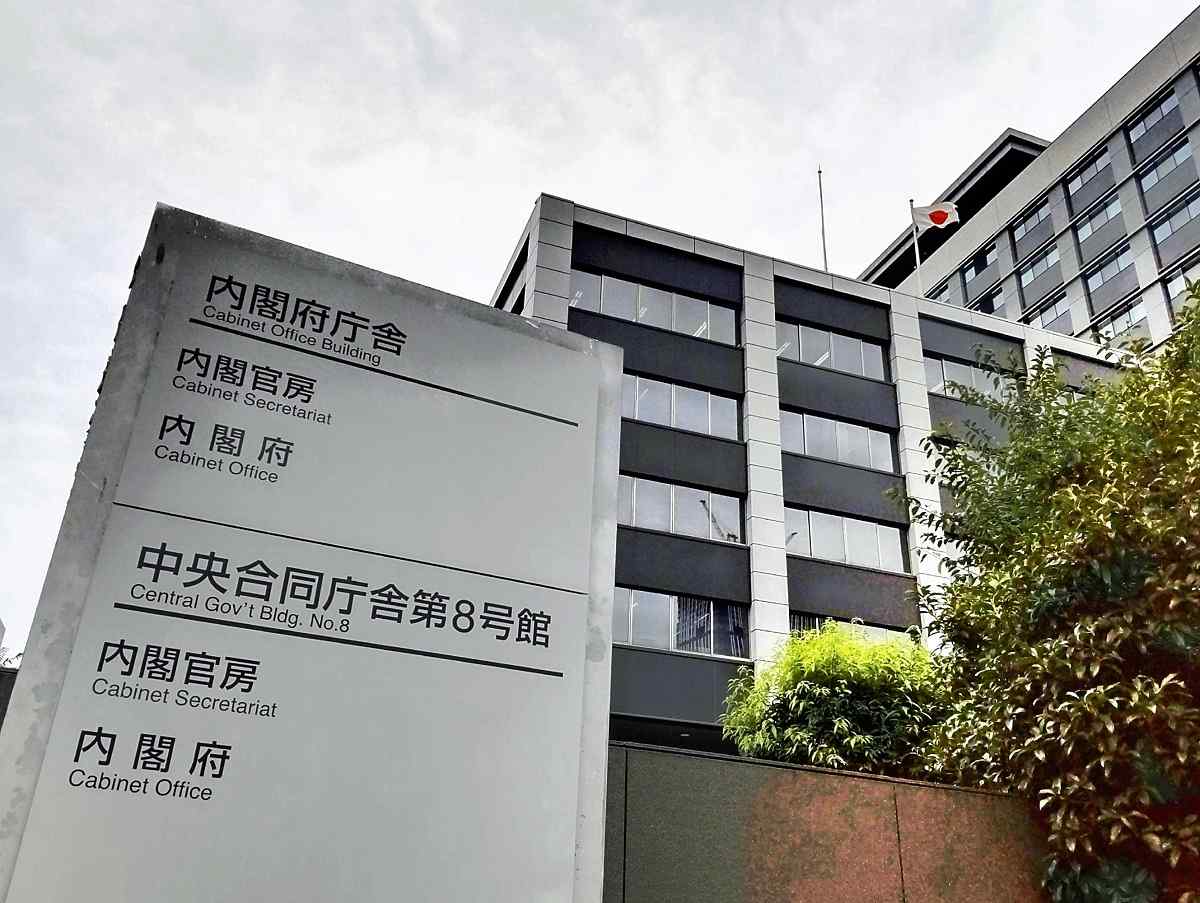
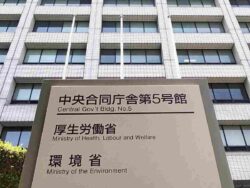
A Cabinet Office building in Chiyoda Ward, Tokyo
6:00 JST, October 1, 2025
The government has simplified municipal procedures for assessing damage to housing from disasters such as earthquakes.
It has consolidated the previously two-stage survey process into a single step, while introducing new simplified criteria for determining the extent of the damage. The aim to expedite these assessments, which form the basis of disaster victim support, thereby accelerating the rebuilding of victims’ lives.
The extent of damage to homes caused by earthquakes or floods is certified by municipalities either as “zenkai” (completely destroyed), “hankai” (severely damaged) or “ichibu sonkai” (somewhat damaged). An initial survey is conducted to assess damage to the exterior, followed by a secondary survey to inspect the interior if necessary.
After the Noto Peninsula Earthquake in January 2024, many houses initially assessed as somewhat damaged were later reclassified as severely damaged in a secondary survey. The issue was that severe internal damage not visible externally cannot be accurately detected until a secondary survey, which also caused a delay in confirming damage levels.
The Cabinet Office therefore revised its operational guidelines for municipalities in July to “conduct surveys efficiently.” Specifically, municipalities can skip an initial survey and start with a secondary survey at their discretion, enabling them to inspect interiors smoothly.
Even when starting with an initial survey, municipalities can move sequentially onto a secondary survey for each house, instead of waiting for all houses to undergo an initial survey, which is the current practice.
The revised guidelines also include a new standard in which any house that was found in an initial survey to have damage in all three areas — roof, exterior walls and fixtures — are deemed to be severely damaged.
Streamlining these procedures should accelerate the issuance of disaster certificates to victims, which leads to facilitating public support such as relocation to temporary housing and publicly funded demolition of damaged homes.
Along with this revision, the Cabinet Office established a so-called disaster certificate coordinator system, whereby local government officials nationwide who are proficient in issuing such certificates are dispatched to disaster areas to expedite the procedures.







Most Read
Popular articles in the past 24 hours
-

Kesennuma, Miyagi Pref., Locals Raise Carp Streamers as Symbol of...
-

Iran Situation: Significance of Rule of Law Must Be Conveyed
-

Toyota Advancing Plant-Based Biofuel Development in Fukushima Tow...
-

Trump Says Iran Had a New Site for Developing Nuclear Weapons
-

2 People Reportedly Found on Mt. Fuji; Hiking Trail Currently Clo...
-

CARTOON OF THE DAY (March 10)
-

Memorial Service Marks 81st Anniversary of Tokyo Air Raid; Crown ...
-
Rising Crude Oil Prices Impact Daily Necessities; Costs for Fuel,...
Popular articles in the past week
-

Ibaraki Pref.'s 1st Foreign Bus Driver Hired in Tsukuba
-

Amid Strait of Hormuz Blockade, Shipping Companies Scramble to Ge...
-
Govt to Utilize ODA for Ensuring Economic Security; Securing Ener...
-
Japan Govt Survey Finds Just 10% of Workers Want Working Hours to...
-

Nippon Life Insurance's U.S. Arm Sues OpenAI Over Legal Assistanc...
-

Japan's 2nd Round of U.S. Investments May Be Worth Over $100 Bill...
-

Imperial Family Watches World Baseball Classic Game Against Austr...
-

Beckoning Cats Get Makeover to Fit Modern Lifestyles with Sleek D...
Popular articles in the past month
-

Producer Behind Pop Group XG Arrested for Cocaine Possession
-

Japan PM Takaichi’s Cabinet Resigns en Masse
-

Man Infected with Measles Reportedly Dined at Restaurant in Tokyo...
-

Videos Plagiarized, Reposted with False Subtitles Claiming ‘Ryuky...
-

iPS Treatments Pass Key Milestone, but Broader Applications Far f...
-

Sanae Takaichi Elected Prime Minister of Japan; Keeps All Cabinet...
-

Nepal Bus Crash Kills 19 People, Injures 25 Including One Japanes...
-

South Korea Tightens Rules on Foreigners Buying Homes in Seoul Me...
Top Articles in Politics
-
Japan PM Takaichi’s Cabinet Resigns en Masse
-
Sanae Takaichi Elected Prime Minister of Japan; Keeps All Cabinet Appointees from Previous Term
-

Japan’s Govt to Submit Road Map for Growth Strategy in March, PM Takaichi to Announce in Upcoming Policy Speech
-
CRA Leadership Election Will Center on Party Rebuilding; Lower House Defeat Leaves Divisions among Former CDPJ, Komeito Members
-
LDP Begins Training New Lawmakers to Avoid Scandal, Gaffes; Historic Victory in Latest Election Heightens Focus on Party
JN ACCESS RANKING
-
Producer Behind Pop Group XG Arrested for Cocaine Possession
-
Japan PM Takaichi’s Cabinet Resigns en Masse
-
Man Infected with Measles Reportedly Dined at Restaurant in Tokyo Station
-
Videos Plagiarized, Reposted with False Subtitles Claiming ‘Ryukyu Belongs to China’; Anti-China False Information Also Posted in Japan
-
iPS Treatments Pass Key Milestone, but Broader Applications Far from Guaranteed