
Japan’s Consumption Tax Cut Pledges Spark Concerns in Restaurant Industry
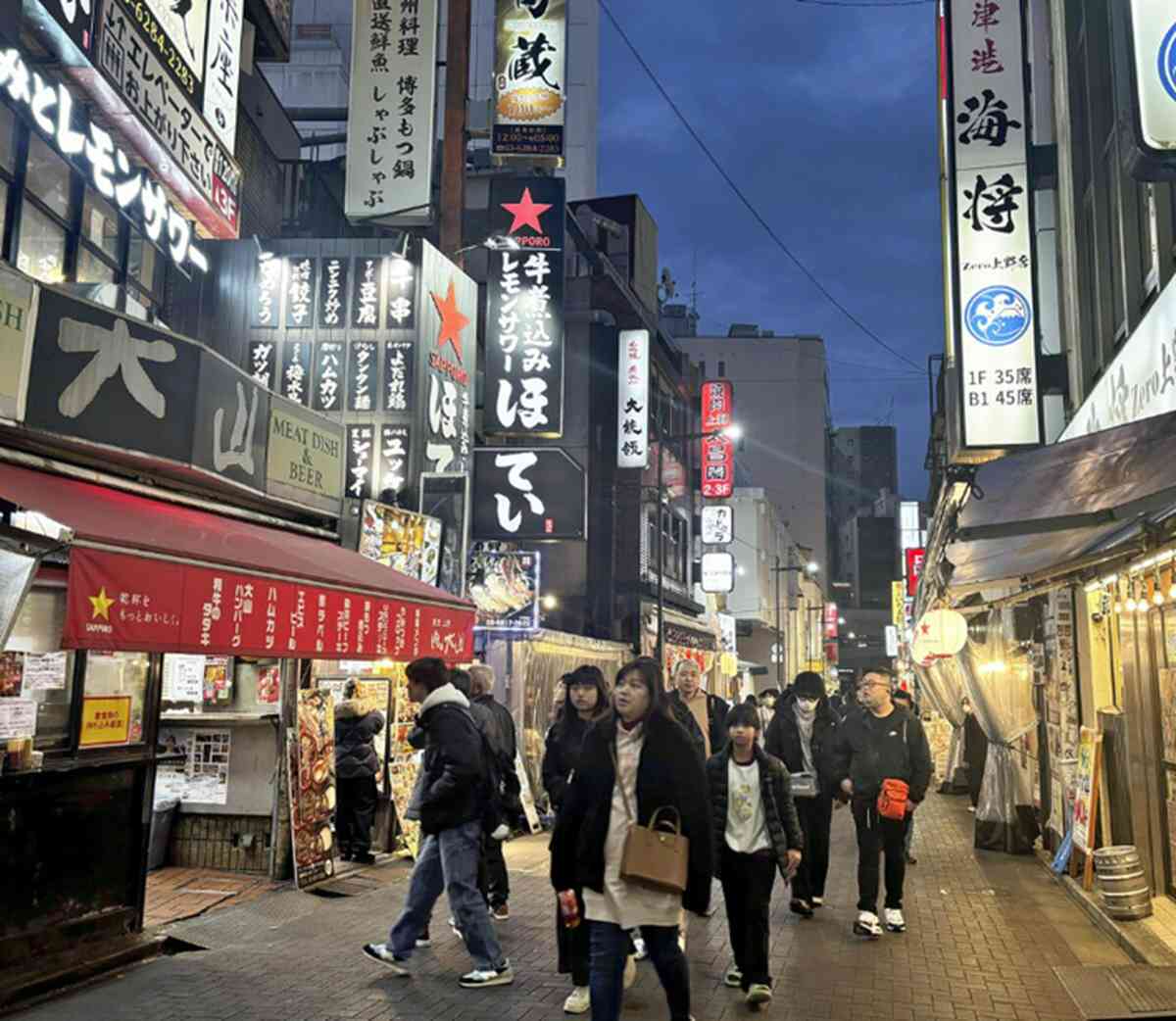
People walk along a street lined with restaurants in Taito Ward, Tokyo, on Wednesday.
21:00 JST, January 30, 2026
Concerns have been mounting in the restaurant industry over the proposed reduction to the consumption tax rate for food items, which has emerged as a key issue in the upcoming House of Representatives election.
The tax rate on food items, with exceptions including alcoholic beverages, is currently 8%. If it is reduced to zero while the rate on eating out remains at 10%, the gap between the two categories will widen, potentially driving away customers from restaurants.
“If the tax rate on food becomes zero, the difference in the cost of preparing food at home and eating out at restaurants will grow,” said a Japan Foodservice Association official. “This could lead to fewer people eating out, forcing some restaurants to close their businesses.”
Food purchased for takeout has a consumption tax rate of 8%. Many gyudon beef bowl and other fast-food chains set the same price for both eating-in and takeout in order to avoid confusion. In many cases, businesses effectively absorb the 2% difference.
The Liberal Democratic Party has pledged to “accelerate its consideration” to realize a two-year exemption of the consumption tax on food and beverages. The Centrist Reform Alliance proposed a permanent 0% tax rate on food items. If either proposals are implemented, the tax rate gap between takeout and eating-in will widen.
An employee for a major restaurant chain pointed out some of the challenges this would create, saying, “we will have to reevaluate the pricing. The number of customers for takeout will increase, affecting our business strategies. Even if the exemption period is limited to two years, confusion is unavoidable, and the burden on us will be significant.”
It will likely also affect cash flow, particularly for small and mid-sized eating establishments. Under the current system, when receiving payment for meals, businesses can deduct the consumption tax they paid on food items purchased as ingredients from the tax collected from customers, before remitting the difference to the government.
If the consumption tax on food items is reduced to zero, the deductible portion would disappear, so restaurants should be prepared to pay the total tax all at once. Although the total tax burden remains unchanged in theory, businesses would need to prepare more cash for the payments.
Although retailers such as supermarkets anticipate positive effects such as “customers buying more food items and being incentivized to buy more items other than food,” some concerns remain.
“Reprinting the price tags for over 1000 food items will be a big undertaking amid a labor shortage,” said the president of a supermarket chain that operates three outlets in Saitama City. An employee of a major supermarket chain said that “modifying the cash register system will take time and cost money.”
“If the tax reduction is temporary, customers will see food prices rise again when the tax rate is reimposed, and that could make them want to buy less,” the employee added.


Related Tags


Most Read
Popular articles in the past 24 hours
-

China’s National People’s Congress Opens: Military Expansion Cont...
-

Japanese Nationals in 4 Gulf Countries to Be Evacuated with Chart...
-

Japan, Canada to Launch Strategic Roadmap on Defense, Economic Se...
-
Excited Baseball Fans Gather at Tokyo Dome Ahead of Japan's Openi...
-
AI Can't Be Listed as Inventor on Patent Applications, Japan's To...
-
Hanamaruki to Sell Liquid 'Shio-Koji' Seasoning to U.S. Consumers
-

Tokyo Police Arrest NHK Director over Sexual Assault
-

CARTOON OF THE DAY (March 6)
Popular articles in the past week
-
South Korea Tightens Rules on Foreigners Buying Homes in Seoul Me...
-

2 Unpublished Early Novellas by Japan's Kenzaburo Oe Discovered, ...
-

Strait of Hormuz Closure Shakes Markets; Prolonged Closure Could ...
-

Ibaraki Pref.'s 1st Foreign Bus Driver Hired in Tsukuba
-

Iran Situation: Japan Must Exert Diplomatic Efforts without Merel...
-

Amid Strait of Hormuz Blockade, Shipping Companies Scramble to Ge...
-
Measles Patient Visited Hospital in Bunkyo Ward, Tokyo, Metropoli...
-

Tokyo’s ‘Strawberry War’ Intensifies as Producers Vie to Become ‘...
Popular articles in the past month
-

Producer Behind Pop Group XG Arrested for Cocaine Possession
-

Japan PM Takaichi’s Cabinet Resigns en Masse
-

Man Infected with Measles Reportedly Dined at Restaurant in Tokyo...
-

Videos Plagiarized, Reposted with False Subtitles Claiming ‘Ryuky...
-

Prudential Life Insurance Plans to Fully Compensate for Damages C...
-

Woman with Measles Visited Hospital in Tokyo Multiple Times Befor...
-

iPS Treatments Pass Key Milestone, but Broader Applications Far f...
-

Sanae Takaichi Elected Prime Minister of Japan; Keeps All Cabinet...
Top Articles in Politics
-
Japan PM Takaichi’s Cabinet Resigns en Masse
-
Sanae Takaichi Elected Prime Minister of Japan; Keeps All Cabinet Appointees from Previous Term
-

Japan’s Govt to Submit Road Map for Growth Strategy in March, PM Takaichi to Announce in Upcoming Policy Speech
-

LDP Wins Landslide Victory, Secures Single-party Majority; Ruling Coalition with JIP Poised to Secure Over 300 seats (UPDATE 1)
-

LDP Wins Historic Landslide Victory
JN ACCESS RANKING
-
Producer Behind Pop Group XG Arrested for Cocaine Possession
-
Japan PM Takaichi’s Cabinet Resigns en Masse
-
Man Infected with Measles Reportedly Dined at Restaurant in Tokyo Station
-
Videos Plagiarized, Reposted with False Subtitles Claiming ‘Ryukyu Belongs to China’; Anti-China False Information Also Posted in Japan
-
Prudential Life Insurance Plans to Fully Compensate for Damages Caused by Fraudulent Actions Without Waiting for Third-Party Committee Review