
Security Clearance System Starts; Hopes Rise for Expanded Participation in International Business and Research
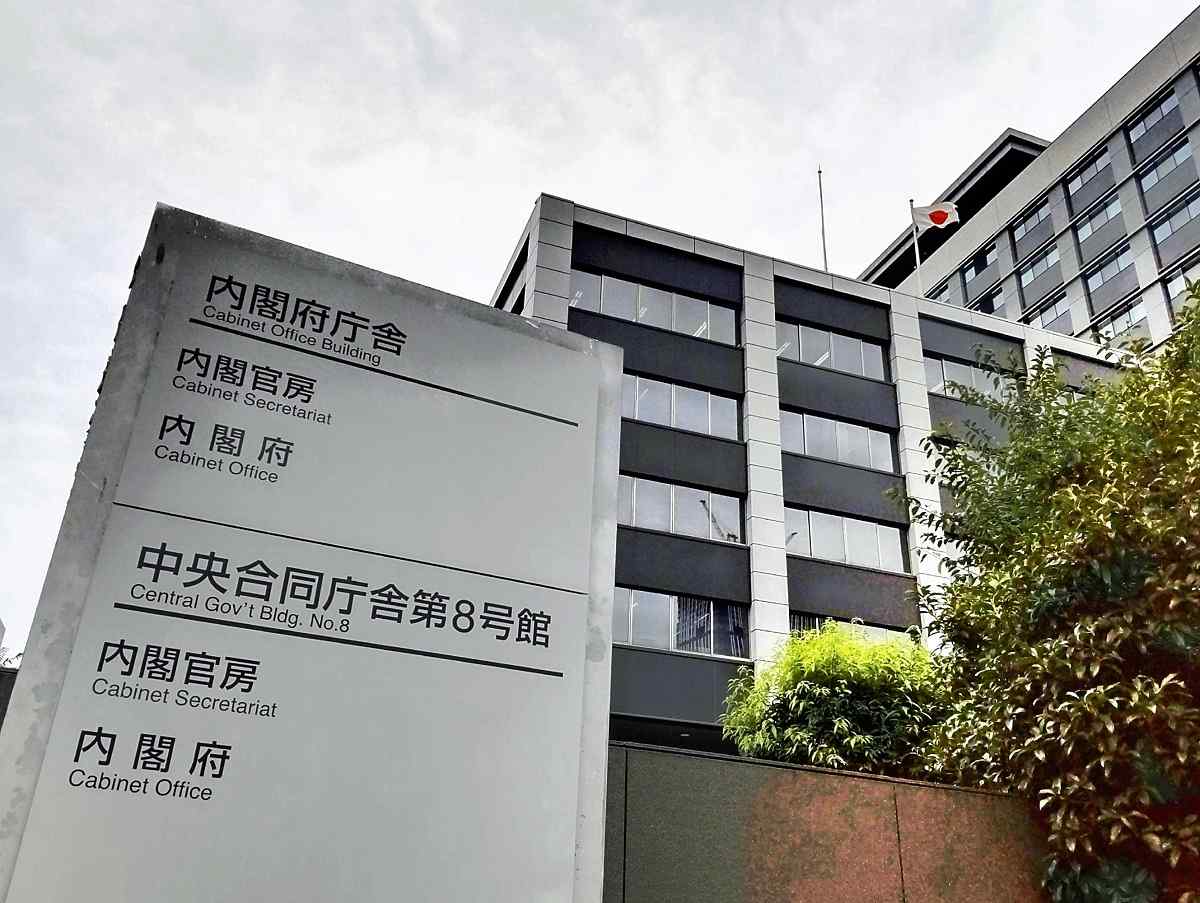
The Cabinet Office building in Chiyoda Ward, Tokyo
16:09 JST, May 17, 2025
The law concerning the protection of critical economic security information came into effect Friday. With this development, the security clearance system that certifies those qualified to handle critical economic security information has started, raising hopes for expanded business and joint research opportunities with foreign countries.
With the law, which was enacted last May, a system has been realized to protect critical economic security information on par with similar measures in the United States and Europe.
Under the security clearance system, the Cabinet Office’s investigative agency will conduct assessments of government officials and individuals in the private sector to determine whether they can be assigned to perform duties involving critical economic security information, aiming to prevent information leakage that would negatively impact national security.
The designated information has 19 items, including protective measures against cyberattacks on providers of critical infrastructure, such as major electric power companies.
Penalties will be applied for unauthorized disclosure of critical information such as imprisonment for a maximum of five years.
Among the Group of Seven nations, Japan was the only country without a system to protect economic security information and accredit those able to handle such information.
The introduction of the new system is aimed at obtaining more advanced information than before, including on damage from cyberattacks occurring in the United States or elsewhere.
At a press conference on Friday, Minoru Kiuchi, minister in charge of economic security, said, “We hope this will facilitate the sharing of important information with our allies and other like-minded countries.”
For active cyber defense, whose related bill passed the Diet on Friday, the security clearance system is expected to be utilized in providing key information to the private sector.
Under the new system, highly classified government information will be provided to the private sector, making it crucial for the information protection system to be established and operated at private companies.
The Cabinet Office has compiled materials to be used by target companies for their in-house training and has called for caution over such acts as making imprudent social media posts, as they “would be subject to information collection by foreign intelligence agencies and may trigger their approach.”
As the government conducts background checks on individuals in the private sector, balancing the protection of privacy and the new system is also a challenge.
In the operational standards approved by the Cabinet in January, the government emphasized basic human rights must not be unduly infringed and sufficient consideration must also be given to the protection of privacy.
Under the new system, there is a limit of seven matters to be assessed, including criminal record and drug abuse, with protections made against arbitrary use of the system. It also stipulates that assessment results must not be used for other purposes, such as dismissals, salary cuts or the reshuffling of employees.







Most Read
Popular articles in the past 24 hours
-

TEPCO's Rebuilding Still Far from Complete; Effects of 2011 Fukus...
-

G7 Agrees to Support Global Energy Supply Amid Soaring Oil Prices...
-
78% Interested in Reconstruction from 2011 Disaster; Concern High...
-

Nissan to Work with Uber on Autonomous Driving, Aims to Provide U...
-

Fears of a Long Mideast War Drive Crude Oil Prices Skyward
-

2 Mt. Fuji Hikers Identified as Police Warn People Not to Climb i...
-

JR Joban Line Suspends Service Between Shinagawa and Toride Due t...
-
JR Joban Line Resumes Service
Popular articles in the past week
-

Ibaraki Pref.'s 1st Foreign Bus Driver Hired in Tsukuba
-
Govt to Utilize ODA for Ensuring Economic Security; Securing Ener...
-

Amid Strait of Hormuz Blockade, Shipping Companies Scramble to Ge...
-

Nippon Life Insurance's U.S. Arm Sues OpenAI Over Legal Assistanc...
-
Japan Govt Survey Finds Just 10% of Workers Want Working Hours to...
-
Japan's 2nd Round of U.S. Investments May Be Worth Over $100 Bill...
-

Imperial Family Watches World Baseball Classic Game Against Austr...
-

Beckoning Cats Get Makeover to Fit Modern Lifestyles with Sleek D...
Popular articles in the past month
-

Producer Behind Pop Group XG Arrested for Cocaine Possession
-

Japan PM Takaichi’s Cabinet Resigns en Masse
-

Man Infected with Measles Reportedly Dined at Restaurant in Tokyo...
-

Videos Plagiarized, Reposted with False Subtitles Claiming ‘Ryuky...
-

iPS Treatments Pass Key Milestone, but Broader Applications Far f...
-

Sanae Takaichi Elected Prime Minister of Japan; Keeps All Cabinet...
-

Nepal Bus Crash Kills 19 People, Injures 25 Including One Japanes...
-

South Korea Tightens Rules on Foreigners Buying Homes in Seoul Me...
Top Articles in Politics
-
Japan PM Takaichi’s Cabinet Resigns en Masse
-
Sanae Takaichi Elected Prime Minister of Japan; Keeps All Cabinet Appointees from Previous Term
-

Japan’s Govt to Submit Road Map for Growth Strategy in March, PM Takaichi to Announce in Upcoming Policy Speech
-
CRA Leadership Election Will Center on Party Rebuilding; Lower House Defeat Leaves Divisions among Former CDPJ, Komeito Members
-
LDP Begins Training New Lawmakers to Avoid Scandal, Gaffes; Historic Victory in Latest Election Heightens Focus on Party
JN ACCESS RANKING
-
Producer Behind Pop Group XG Arrested for Cocaine Possession
-
Japan PM Takaichi’s Cabinet Resigns en Masse
-
Man Infected with Measles Reportedly Dined at Restaurant in Tokyo Station
-
Videos Plagiarized, Reposted with False Subtitles Claiming ‘Ryukyu Belongs to China’; Anti-China False Information Also Posted in Japan
-
iPS Treatments Pass Key Milestone, but Broader Applications Far from Guaranteed