

12:26 JST, May 11, 2025
Dear Troubleshooter:
I’m a homemaker in my 30s and have a 1-year-old child.
My husband gives me ¥80,000 in allowance every month and says to keep half in the individual-type defined contribution pension plan (iDeCo) and the Nippon Individual Savings Account small-lot investment system, known as NISA. He also says I should discuss with him what to use the rest of the money for before spending it.
I had a fight with him last year when I told him I want to buy a ¥7,000 set of commemorative stamps featuring a well-known athlete. He told me I should not spend money on such things, saying, “It’s a waste of money to buy something that can’t be sold later.” But I disagree because I would feel happy just by owning them.
I bought the stamps with savings I accrued before we got married. But we fought again when I told him about the purchase. He told me to cancel the NISA account immediately. “Give me back everything accrued on the account as my money was used,” he said.
I became a homemaker because he wanted me to stay home for our child. I rarely buy things for myself. I’m fed up with having to be financially dependent on him and having no financial freedom.
R, Tokyo
Dear Ms. R:
People perceive the value of money according to the era and environment in which they grew up, so it is natural for even a wife and a husband to have opposing views.
You cannot judge which is better between a wife who finds happiness in commemorative stamps of heroes, and a husband who views value according to resale prices at a recycling market, since they navigate the world differently.
That said, you seem to have far greater financial literacy than your husband, who demanded that you cancel an investment account that only serves a purpose if active long-term.
For you, I think the real issue is not about money. You think you are financially dependent on your husband, but he is also, if I were to use the same expression, dependent on you for chores and child-rearing. You should confirm your respective roles first, instead of talking about dependence, since a husband and a wife are equal.
If he refuses to do so and continues to one-sidedly restrict your spending and deprive you of your freedom, which could mentally drive you into a corner, this could constitute abuse. You can contact the Japan Legal Support Center for assistance.
I believe the work of a homemaker cannot be translated into financial value; the homemaker’s existence itself is meaningful. Your husband can work without concern because you are at home taking care of the child. There is no question that wives also need days off, and things to treat themselves with.
Hazuki Saisho, writer







Most Read
Popular articles in the past 24 hours
-

Inspection via Micro-Drones Begins at Fukushima No. 1 Nuclear Pla...
-
Japan's DPFP to Join Natl Council Considering Tax Cut Measures
-

Samurai Japan Beats Taiwan in its First World Baseball Classic Ga...
-
Excited Baseball Fans Gather at Tokyo Dome Ahead of Japan's Openi...
-
Shohei Ohtani Ignites Team Spirit for Samurai Japan's World Baseb...
-
Japan Govt Survey Finds Just 10% of Workers Want Working Hours to...
-
Heckling, Once a Fixture of Diet Debate in Japan, Abates in the F...
-
Japan Asked U.S. Not to Disadvantage Tokyo under New Tariff Rules
Popular articles in the past week
-

South Korea Tightens Rules on Foreigners Buying Homes in Seoul Me...
-

Ibaraki Pref.'s 1st Foreign Bus Driver Hired in Tsukuba
-
2 Unpublished Early Novellas by Japan's Kenzaburo Oe Discovered, ...
-

Strait of Hormuz Closure Shakes Markets; Prolonged Closure Could ...
-

Amid Strait of Hormuz Blockade, Shipping Companies Scramble to Ge...
-

Iran Situation: Japan Must Exert Diplomatic Efforts without Merel...
-
Measles Patient Visited Hospital in Bunkyo Ward, Tokyo, Metropoli...
-

North Korea Unveils Image of Kim Jong Un's Teenage Daughter Firi...
Popular articles in the past month
-

Producer Behind Pop Group XG Arrested for Cocaine Possession
-

Japan PM Takaichi’s Cabinet Resigns en Masse
-

Man Infected with Measles Reportedly Dined at Restaurant in Tokyo...
-

Videos Plagiarized, Reposted with False Subtitles Claiming ‘Ryuky...
-

Prudential Life Insurance Plans to Fully Compensate for Damages C...
-

Woman with Measles Visited Hospital in Tokyo Multiple Times Befor...
-

iPS Treatments Pass Key Milestone, but Broader Applications Far f...
-

Sanae Takaichi Elected Prime Minister of Japan; Keeps All Cabinet...
Top Articles in Features
-

Tokyo’s New Record-Breaking Fountain Named ‘Tokyo Aqua Symphony’
-

High-Hydration Bread on the Rise, Seeing Increase in Specialty Shops, Recipe Searches
-
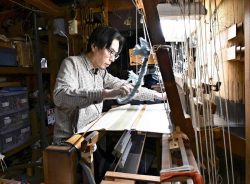
Heirs to Kyoto Talent: Craftsman Works to Keep Tradition of ‘Kinran’ Brocade Alive Through Initiatives, New Creations
-

Maltese Pavilion’s Famous Ftira Bread Now Available in Osaka; Loaves Became Popular during 2025 Osaka-Kansai Expo
-

My Spendthrift Mother Constantly Asks Me for Money
JN ACCESS RANKING
-
Producer Behind Pop Group XG Arrested for Cocaine Possession
-
Japan PM Takaichi’s Cabinet Resigns en Masse
-
Man Infected with Measles Reportedly Dined at Restaurant in Tokyo Station
-
Videos Plagiarized, Reposted with False Subtitles Claiming ‘Ryukyu Belongs to China’; Anti-China False Information Also Posted in Japan
-
Prudential Life Insurance Plans to Fully Compensate for Damages Caused by Fraudulent Actions Without Waiting for Third-Party Committee Review