
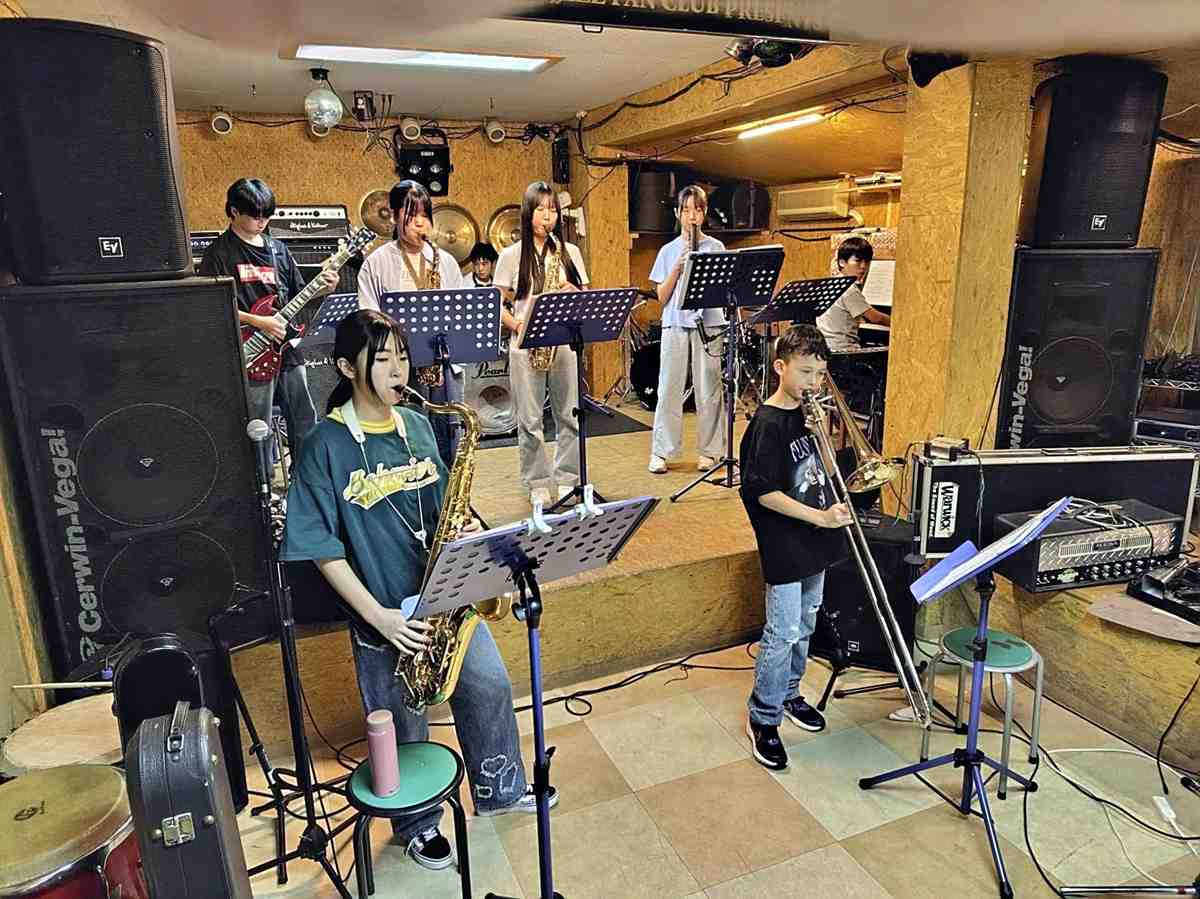
Children in the Sasebo Jazz Junior Ensemble perform during a joint practice session in Sasebo, Nagasaki Prefecture.
11:15 JST, December 6, 2025&
SASEBO, Nagasaki — A powerful harmony of saxophones, drums, bass, piano and trombone fills the air in Sasebo, Nagasaki Prefecture, with pleasant music one day in October.
This city once flourished as a naval port and still hosts bases for the U.S. Navy and the Japan Maritime Self-Defense Force. It is a place where resilience and rhythm intersect.
In this city with an exotic flavor, it was jazz that captured the spirit of the post-war era. Many jazz musicians performed for U.S. military personnel and others, but the fervor is now quietly fading.
To rekindle the flame in Sasebo, initiatives are being launched to revitalize the community through promotional activities aimed at the younger generation and events targeting young people.
In early October, a joint practice session took place at a studio in the city, attended by 15 elementary, junior high and high school students. Most of them had no prior experience in jazz.
As members of the Sasebo Jazz Junior Ensemble, founded in March of last year, they devote themselves to daily practice.
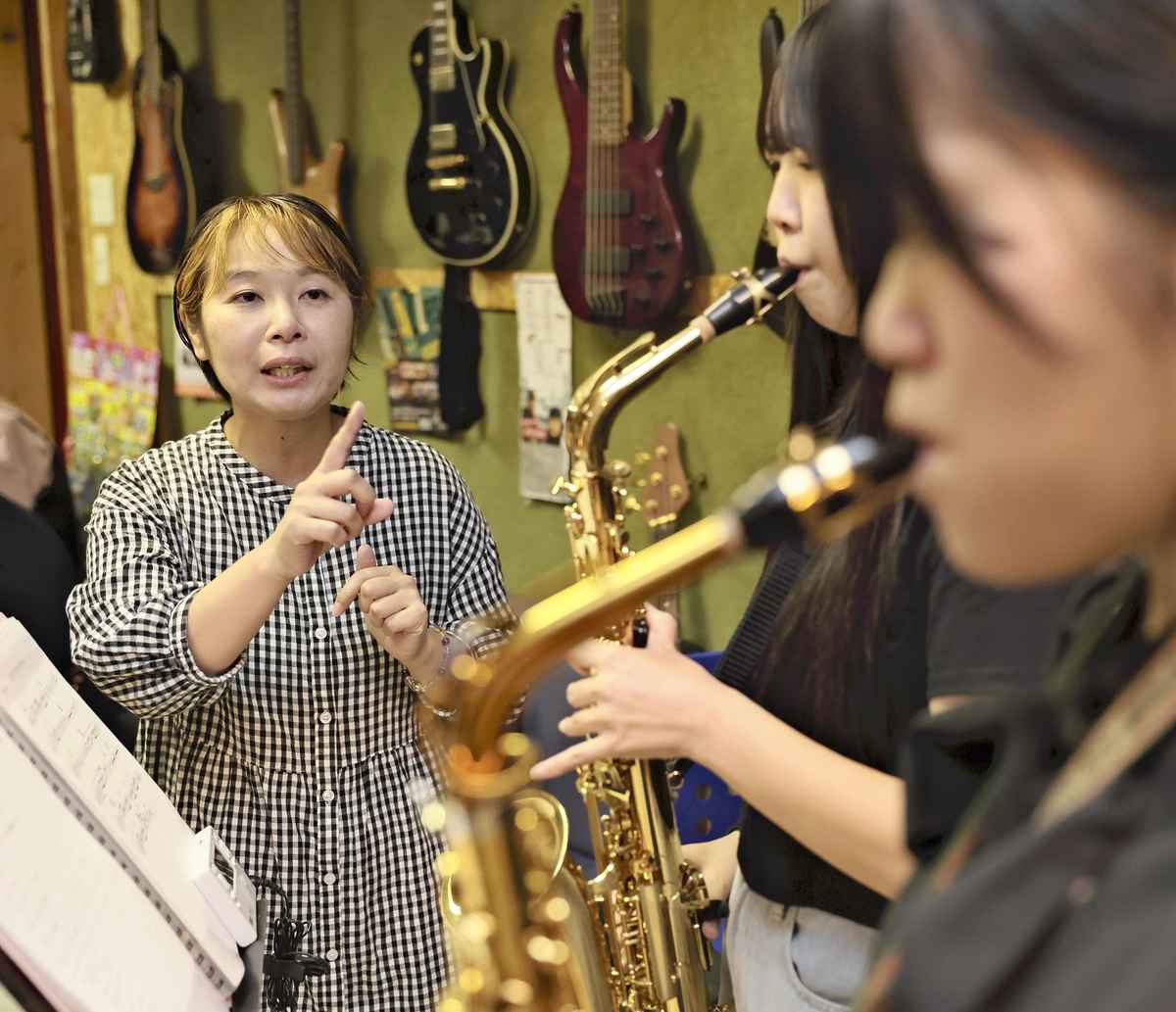
Mio Hayashida, left, instructs members of the ensemble.
Seira Kawabata, a 14-year-old junior high school student, joined in September of last year. She plays the bass and had almost no musical experience but mastered improvisation in just one year.
“Creating a sense of unity through an ensemble is the real thrill of jazz,” she said.
Jazz began to catch on in Sasebo in the 1950s. A flood of jazz artists streamed into the dance halls and cabarets in Sasebo, where a U.S. naval base was established shortly after the war.
However, as times changed, the cabarets where the music once echoed began to disappear. Jazz cafes, which were a place for residents to encounter the music in their daily lives, similarly decreased in number.
Nevertheless, a large annual event called Sasebo Jazz, established by dedicated volunteers in 1991, has persevered. Its flame has been kept alive even through the challenges of the COVID-19 pandemic.
The Sasebo Jazz executive committee, motivated by the belief that nurturing new talent was essential to prevent the city’s jazz culture from disappearing, called upon local children to form the Junior Ensemble.
The ensemble is instructed by Mio Hayashida, 41, who runs a jazz school in the city. “I want this to open the door for the younger generation to encounter jazz,” she said.
Persistent and steady efforts to spread jazz are also under way.
Kazutaka Maeda, 64, runs Jazz Spot Easel, one of the few jazz bars in the city. He strives to introduce jazz to everyone. He holds Sasebo seaside concerts near JR Sasebo Station on Sundays for two months each spring and autumn.
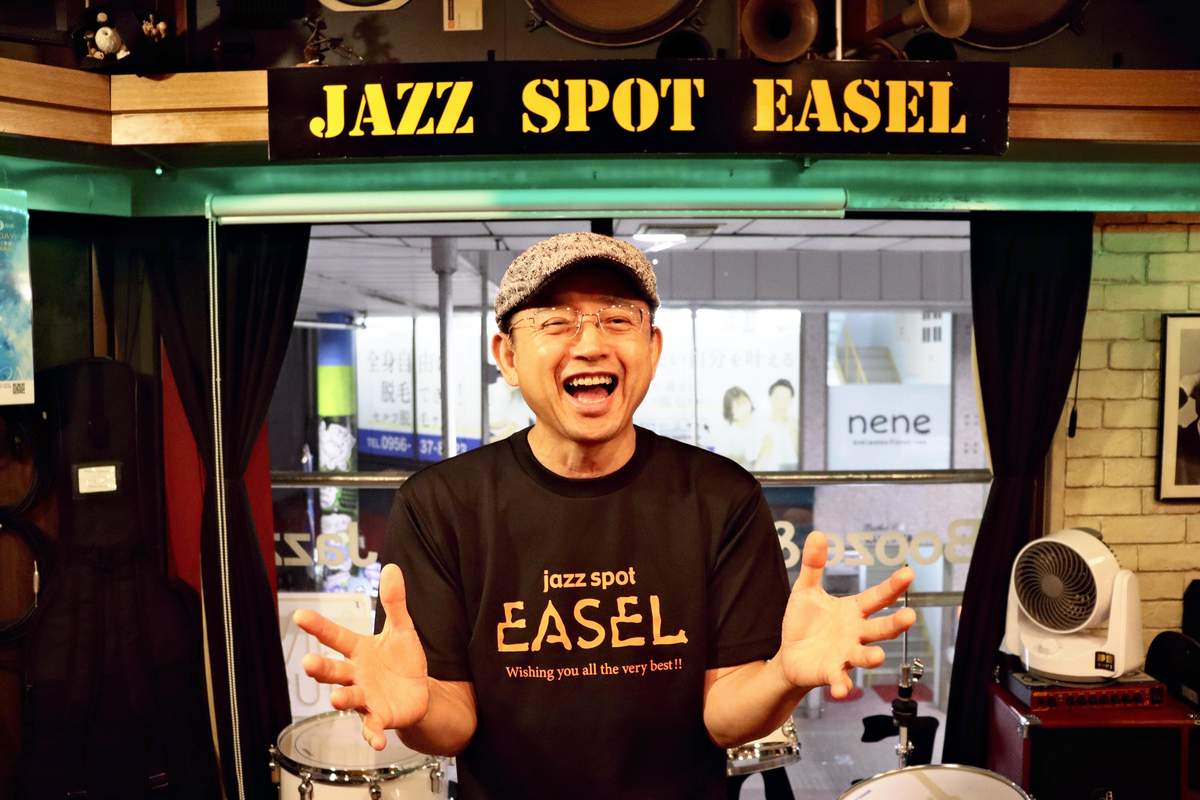
Jazz Spot Easel owner Kazutaka Maeda poses for a photo at his bar.
“I want to continue these grassroots activities so that both the young and old can enjoy jazz,” he said.
In correlation with the National Cultural Festival held in Nagasaki Prefecture from September to November, the city’s junior high schools and district community centers host live jazz concerts and performance workshops.
The 32nd Sasebo Jazz took place in November, with the Sasebo Junior Ensemble performing as part of the event.
“Jazz is never boring because the individuality of every single player bursts out. I’ll keep chasing jazz for the rest of my life,” said Fumi Hirata, a 17-year-old high school student, with a smile.
Hayashida said, “I want to create opportunities for people to experience jazz in their everyday life, so that we all can proudly say that Sasebo is a city of jazz.”
Sasebo rich in tourist sites
Situated in the northern part of Nagasaki Prefecture, the city’s population stands at roughly 227,000. Facing the East China Sea, the city was a vital base for the former Imperial Japanese Navy starting around the time of the Russo-Japanese War (1904–05). The city’s Uragashira Port is known for being the landing point for about 1.4 million repatriates after the Pacific War.
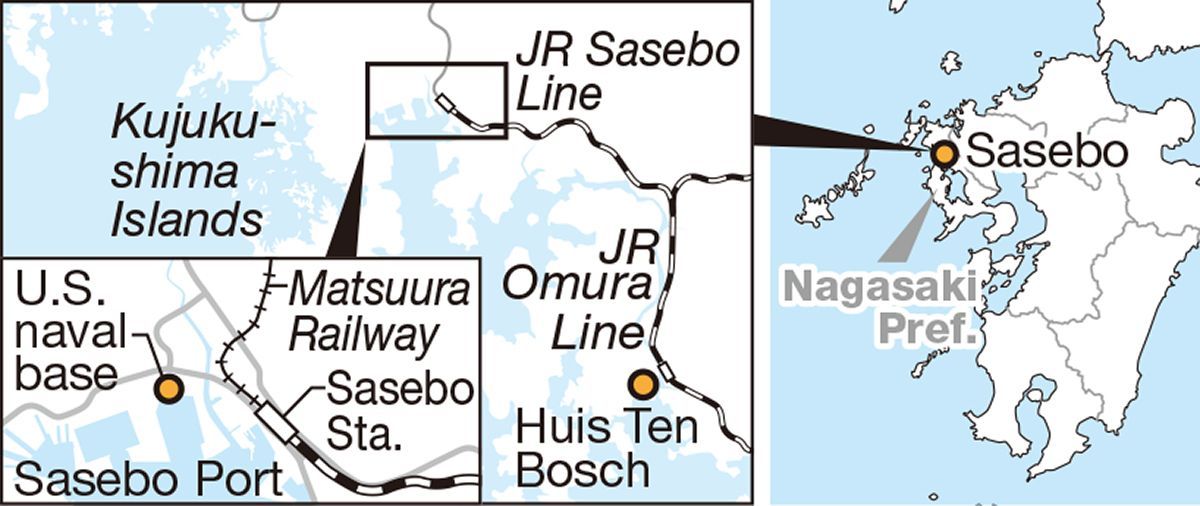
It has several tourist spots, with many people visiting the large resort facility Huis Ten Bosch and the Kujukushima Islands archipelago throughout the year. Due to its status as a “military base city,” a unique food culture has also taken root. “Sasebo burger” and “lemon steak” are particularly beloved by residents.
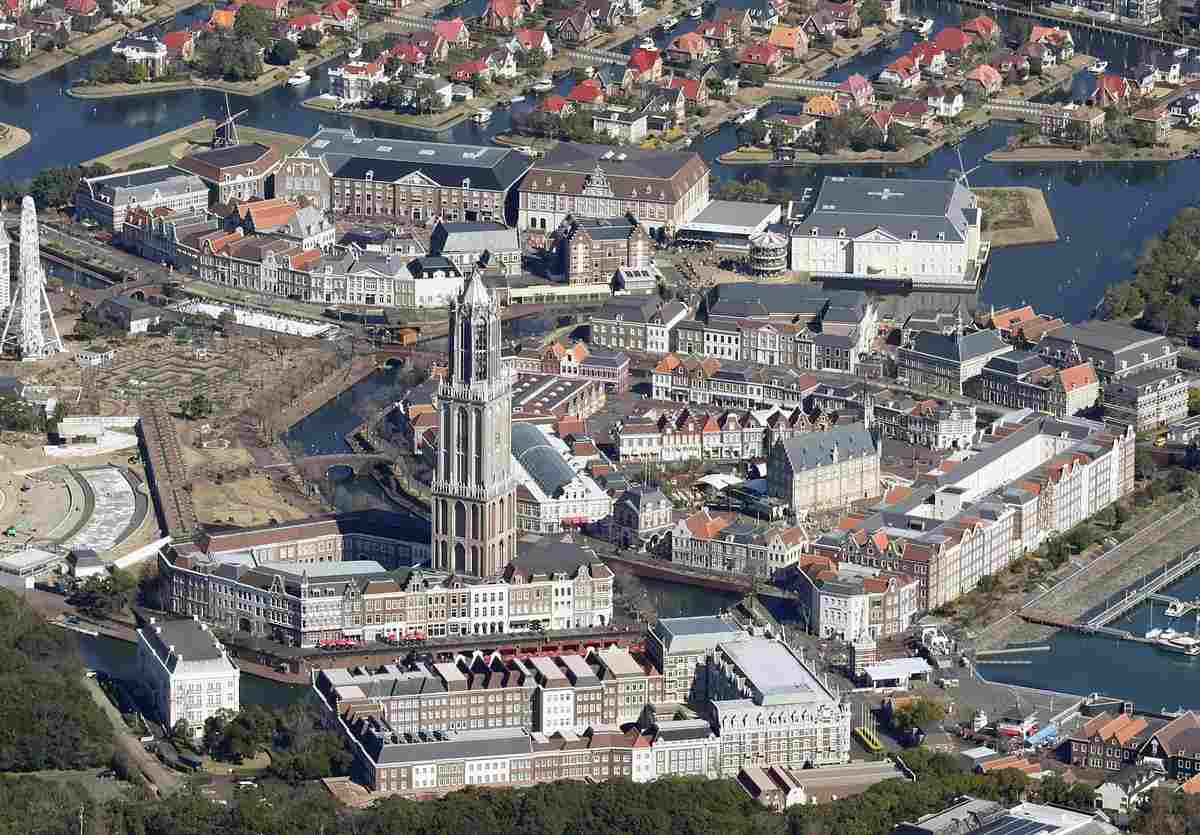
Huis Ten Bosch in 2022
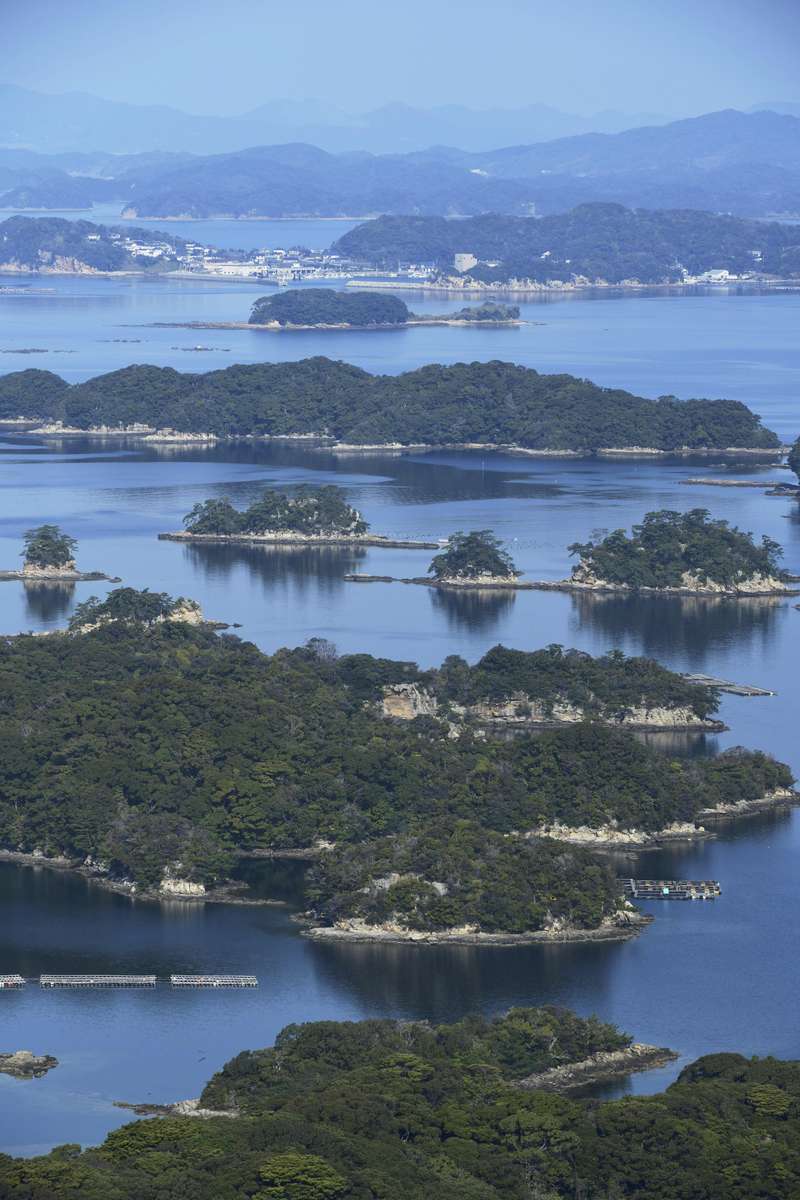
The Kujukushima Islands


Related Tags




Most Read
Popular articles in the past 24 hours
-
‘King Kazu’ Discusses His Connection to Fukushima
-
JR Tokai Breaks Ground on Yamanashi Maglev Station; Will Be Part ...
-

Medical Care at Home and Disasters: Ensure Systems to Provide Con...
-

White House Takes First Step toward Permanent Fix for Illegal Tar...
-

Japan to Extend Drone No-fly Zones Near Key Facilities to 1 km
-
The Japan News / Weekly Edition (3/13-3/19)
-

Takaichi Expresses ‘Serious Concern’ over Attacks on Vessels in S...
-

Honda Expects Up to 690 B. Yen in Net Loss for FY 2025
Popular articles in the past week
-
Japan Figure Skating Legend Yuzuru Hanyu Is Proud Disaster Surviv...
-

Nippon Life Insurance's U.S. Arm Sues OpenAI Over Legal Assistanc...
-
Govt to Utilize ODA for Ensuring Economic Security; Securing Ener...
-
Massive Sewer Pipe Found Jutting Out of Highway in Osaka
-
Beckoning Cats Get Makeover to Fit Modern Lifestyles with Sleek D...
-
Japan Govt Survey Finds Just 10% of Workers Want Working Hours to...
-
Japan's 2nd Round of U.S. Investments May Be Worth Over $100 Bill...
-

Imperial Family Watches World Baseball Classic Game Against Austr...
Popular articles in the past month
-

Producer Behind Pop Group XG Arrested for Cocaine Possession
-

Japan PM Takaichi’s Cabinet Resigns en Masse
-

Man Infected with Measles Reportedly Dined at Restaurant in Tokyo...
-

Videos Plagiarized, Reposted with False Subtitles Claiming ‘Ryuky...
-
Japan Figure Skating Legend Yuzuru Hanyu Is Proud Disaster Surviv...
-

iPS Treatments Pass Key Milestone, but Broader Applications Far f...
-

Sanae Takaichi Elected Prime Minister of Japan; Keeps All Cabinet...
-

Nepal Bus Crash Kills 19 People, Injures 25 Including One Japanes...
Top Articles in Features
-

Tokyo’s New Record-Breaking Fountain Named ‘Tokyo Aqua Symphony’
-

High-Hydration Bread on the Rise, Seeing Increase in Specialty Shops, Recipe Searches
-
Japanese Students Use Traditional Pickle to Create Novel Wagashi Confectionery
-

My Spendthrift Mother Constantly Asks Me for Money
-
Heirs to Kyoto Talent: Craftsman Works to Keep Tradition of ‘Kinran’ Brocade Alive Through Initiatives, New Creations
JN ACCESS RANKING
-
Producer Behind Pop Group XG Arrested for Cocaine Possession
-
Japan PM Takaichi’s Cabinet Resigns en Masse
-
Man Infected with Measles Reportedly Dined at Restaurant in Tokyo Station
-
Videos Plagiarized, Reposted with False Subtitles Claiming ‘Ryukyu Belongs to China’; Anti-China False Information Also Posted in Japan
-
Japan Figure Skating Legend Yuzuru Hanyu Is Proud Disaster Survivor and Gold Medalist, Vows to Continue Support Efforts