
16:08 JST, November 23, 2025
The nuclear threat, which should have receded with the end of the Cold War, is growing again. It is concerning that the United States and Russia — two major nuclear powers — as well as China are competing to bolster their nuclear arsenals, and that any check on the competition is about to be lost.
Russian President Vladimir Putin announced this month that a new type of intercontinental ballistic missile capable of carrying multiple nuclear warheads will be deployed for operational use by the end of next year. Only last month, Russia announced it successfully tested new nuclear-powered and nuclear-capable weapons.
Since launching its aggression against Ukraine in February 2022, Russia has lowered its threshold for using nuclear weapons by relaxing the conditions under which it would resort to a nuclear attack. Moscow has also deployed nuclear weapons in neighboring Belarus while flaunting its progress in developing new weapons.
Evidently, Russia intends to restrain the opposing West and threaten it into holding back arms supplies to Ukraine. Nuclear intimidation, which could lead to catastrophic damage, cannot be overlooked.
Meanwhile, U.S. President Donald Trump instructed his Defense Department last month to conduct nuclear testing. In response, Putin also ordered that preparations be considered for nuclear tests.
The United States and Russia have continued to conduct subcritical tests to verify the performance of their nuclear weapons, but neither has carried out explosive nuclear tests since the 1990s.
If Washington resumes such nuclear testing, which has been suspended since 1992, it is highly likely to be seen as an indication that it wants to develop new types of weapons. This could lead to tit-for-tat nuclear testing and an arms race with Russia, something that must be avoided.
While the United States and Russia were the main players in the Cold War-era military buildup, China has rapidly expanded its nuclear arsenal in recent years. One estimate shows that Beijing already has 600 nuclear warheads, and the figure could reach 1,500 in a decade.
The United States and Russia have limited their number of deployed nuclear warheads to 1,550 under the New Strategic Arms Reduction Treaty (New START), but China is not bound by the treaty and has steadily increased its nuclear arsenal.
The current treaty expires in February next year. If Washington and Moscow fail to agree on extending the treaty and allow it to expire, they too might increase their number of deployed nuclear warheads. Furthermore, Russia is suspected of supporting North Korea’s nuclear and missile development in return for North Korea dispatching troops to aid its aggression against Ukraine.
In South Korea, meanwhile, there is growing public support for acquiring nuclear arms, due to concerns that Trump may reduce U.S. involvement in defending its allies, in addition to fears over the North Korean threat.
To keep tensions from escalating in East Asia, countries such as Japan have no choice but to rely on U.S. deterrence. At the same time, Japan should continue to advocate for nuclear disarmament such as through the United Nations.
(From The Yomiuri Shimbun, Nov. 23, 2025)




Most Read
Popular articles in the past 24 hours
-
Rising Kabuki Star Works to Ensure Deaf Audience's Enjoyment of P...
-

Lady Bess: Iroha Okuda, Mayuko Kominami Discuss Performing Elizab...
-
Japan Considering Taking Part in U.S. ‘Golden Dome’ Defense Syste...
-

Japan's TEPCO Releases Footage from Fukushima N-Plant Reactor
-

Oil Reserve Releases: G7 Members Unite against Growing Threat
-
46 Evacuated from UAE, Oman on Japanese Govt-chartered Flight
-

Japan's Sanyo Shinkansen Suspended Again; Between Okayama, Aioi S...
-

Driver Dies in Collision with Express Train at Crossing in Mito; ...
Popular articles in the past week
-

Japan Figure Skating Legend Yuzuru Hanyu Is Proud Disaster Surviv...
-

Nippon Life Insurance's U.S. Arm Sues OpenAI Over Legal Assistanc...
-

Govt to Utilize ODA for Ensuring Economic Security; Securing Ener...
-
15 Measles Patients Confirmed in Tokyo in Past 6 Days; 1 May Have...
-

Massive Sewer Pipe Found Jutting Out of Highway in Osaka
-
Japan Govt to Tighten Requirements to Receive Permanent Residency...
-

Beckoning Cats Get Makeover to Fit Modern Lifestyles with Sleek D...
-
Japan Govt Survey Finds Just 10% of Workers Want Working Hours to...
Popular articles in the past month
-

Producer Behind Pop Group XG Arrested for Cocaine Possession
-

Japan PM Takaichi’s Cabinet Resigns en Masse
-

Man Infected with Measles Reportedly Dined at Restaurant in Tokyo...
-

Videos Plagiarized, Reposted with False Subtitles Claiming ‘Ryuky...
-
Japan Figure Skating Legend Yuzuru Hanyu Is Proud Disaster Surviv...
-

iPS Treatments Pass Key Milestone, but Broader Applications Far f...
-

Sanae Takaichi Elected Prime Minister of Japan; Keeps All Cabinet...
-

Nepal Bus Crash Kills 19 People, Injures 25 Including One Japanes...
Top Articles in Editorial & Columns
-

Riku-Ryu Pair Wins Gold Medal: Their Strong Bond Leads to Major Comeback Victory
-
Reciprocal Tariffs Ruled Illegal: Judiciary Would Not Tolerate President’s High-Handed Approach
-
Japan’s Plan for Investment in U.S.: Aim for Mutual Development by Ensuring Profitability
-
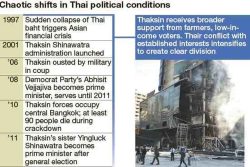
Chronic Issues Erode Thailand’s Economy as Political Confusion Persists, Threatening Terminal Decline in Its Economy
-
Iran Situation: Japan Must Exert Diplomatic Efforts without Merely Standing by
JN ACCESS RANKING
-
Producer Behind Pop Group XG Arrested for Cocaine Possession
-
Japan PM Takaichi’s Cabinet Resigns en Masse
-
Man Infected with Measles Reportedly Dined at Restaurant in Tokyo Station
-
Videos Plagiarized, Reposted with False Subtitles Claiming ‘Ryukyu Belongs to China’; Anti-China False Information Also Posted in Japan
-
Japan Figure Skating Legend Yuzuru Hanyu Is Proud Disaster Survivor and Gold Medalist, Vows to Continue Support Efforts