
- Yomiuri Editorial
- COVID pill approval postponed
Govt must present clear measures to fight the ongoing pandemic
13:18 JST, July 22, 2022
In the absence of a definitive cure for COVID-19, how should the public overcome the rapid spread of novel coronavirus infections? The government should send concrete messages.
The Health, Labor and Welfare Ministry, at a meeting of experts, decided not to give emergency approval to Xocova, an oral medicine for the coronavirus developed by Shionogi & Co.
The emergency approval system was newly established in May, and the Xocova pill was the first medication to be subject to consideration under the system. Even in the middle of clinical trials, if the effectiveness of a drug can be estimated and deemed safe to use, the ministry can approve that drug temporarily. If a drug’s effectiveness cannot be confirmed by a certain deadline, the temporary approval will expire.
Xocova was found to be effective in reducing the amount of virus in a patient’s body in mid-stage clinical trials. However, its overall effect in improving 12 symptoms, such as fever and fatigue, has not yet been clarified at the current stage, according to the experts.
For this reason, a number of experts at the meeting commented that it would be difficult to use the drug in the field. The final results of the clinical trials are expected in November. The decision not to approve it may be appropriate.
The appearance of effective and easy-to-use oral medicines is still awaited. The decision this time is disappointing, but it is hoped that the company will continue to conduct clinical trials to confirm the effectiveness of the drug and aim to put it into practical use.
In the meantime, the number of infections continues to rise rapidly.
The number of new infections nationwide has exceeded 180,000 a day, setting a new record. In some areas, such as Okinawa and Kumamoto prefectures, a shortage of hospital beds has become a reality.
It is important not to stop economic activities, but if the rapid spread of the virus is left unchecked, such activities could be hindered even without deliberate restrictions on social activities.
There is a limit to leaving the situation up to individual infection control measures. Setting aside the appropriateness of imposing restrictions on activities, it is time for the government to provide concrete guidelines, such as on how to act in places where people are in close contact with each other, to prevent the spread of the virus.
It is also advisable for the central and local governments to propose effective measures, such as requiring the submission of vaccination certificates for large-scale events with large numbers of participants. It will be necessary to examine past measures against infection and promote highly effective steps.
Most infected people are in their 40s or younger. Among those in their 20s and 30s, the third vaccination rate remains low at around 50%. It is obvious that the vaccination rate will not increase solely by calling on people to recognize the necessity for vaccination.
In areas where the number of infected people is high or where hospital beds are scarce, it is essential to respond to the situation with the right emphasis on key points, such as independently implementing stronger measures.
(From The Yomiuri Shimbun, July 22, 2022)




Most Read
Popular articles in the past 24 hours
-
Power Outage Forces About 980 Passengers in Yokohama to Walk to T...
-

Masako Ikeda, Voice of Maetel in ‘Galaxy Express 999,' Dies at 87
-

Japan Defense Agency to Develop AI Intelligence Analysis System f...
-

Government to Establish ‘Command Center’ for Developing Nuclear P...
-

Oil Reserve Releases: G7 Members Unite against Growing Threat
-

Milano Cortina 2026: Japan’s Momoka Muraoka Takes Silver in...
-

Paw Patrol: Larry Marks 15 Years at 10 Downing Street
-

Moai Statue Shows Lasting Bond Between Miyagi Pref. Town, Easter ...
Popular articles in the past week
-

Japan Figure Skating Legend Yuzuru Hanyu Is Proud Disaster Surviv...
-
Govt to Utilize ODA for Ensuring Economic Security; Securing Ener...
-
15 Measles Patients Confirmed in Tokyo in Past 6 Days; 1 May Have...
-
Massive Sewer Pipe Found Jutting Out of Highway in Osaka
-
Japan Govt to Tighten Requirements to Receive Permanent Residency...
-

Beckoning Cats Get Makeover to Fit Modern Lifestyles with Sleek D...
-
JR Tokai Breaks Ground on Yamanashi Maglev Station; Will Be Part ...
-
Japan's 2nd Round of U.S. Investments May Be Worth Over $100 Bill...
Popular articles in the past month
-

Producer Behind Pop Group XG Arrested for Cocaine Possession
-

Japan PM Takaichi’s Cabinet Resigns en Masse
-

Man Infected with Measles Reportedly Dined at Restaurant in Tokyo...
-

Videos Plagiarized, Reposted with False Subtitles Claiming ‘Ryuky...
-
Japan Figure Skating Legend Yuzuru Hanyu Is Proud Disaster Surviv...
-

iPS Treatments Pass Key Milestone, but Broader Applications Far f...
-

Sanae Takaichi Elected Prime Minister of Japan; Keeps All Cabinet...
-

Nepal Bus Crash Kills 19 People, Injures 25 Including One Japanes...
Top Articles in Editorial & Columns
-

Riku-Ryu Pair Wins Gold Medal: Their Strong Bond Leads to Major Comeback Victory
-
Reciprocal Tariffs Ruled Illegal: Judiciary Would Not Tolerate President’s High-Handed Approach
-
Japan’s Plan for Investment in U.S.: Aim for Mutual Development by Ensuring Profitability
-
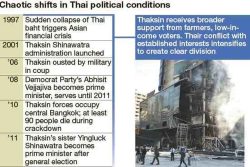
Chronic Issues Erode Thailand’s Economy as Political Confusion Persists, Threatening Terminal Decline in Its Economy
-
Iran Situation: Japan Must Exert Diplomatic Efforts without Merely Standing by
JN ACCESS RANKING
-
Producer Behind Pop Group XG Arrested for Cocaine Possession
-
Japan PM Takaichi’s Cabinet Resigns en Masse
-
Man Infected with Measles Reportedly Dined at Restaurant in Tokyo Station
-
Videos Plagiarized, Reposted with False Subtitles Claiming ‘Ryukyu Belongs to China’; Anti-China False Information Also Posted in Japan
-
Japan Figure Skating Legend Yuzuru Hanyu Is Proud Disaster Survivor and Gold Medalist, Vows to Continue Support Efforts