
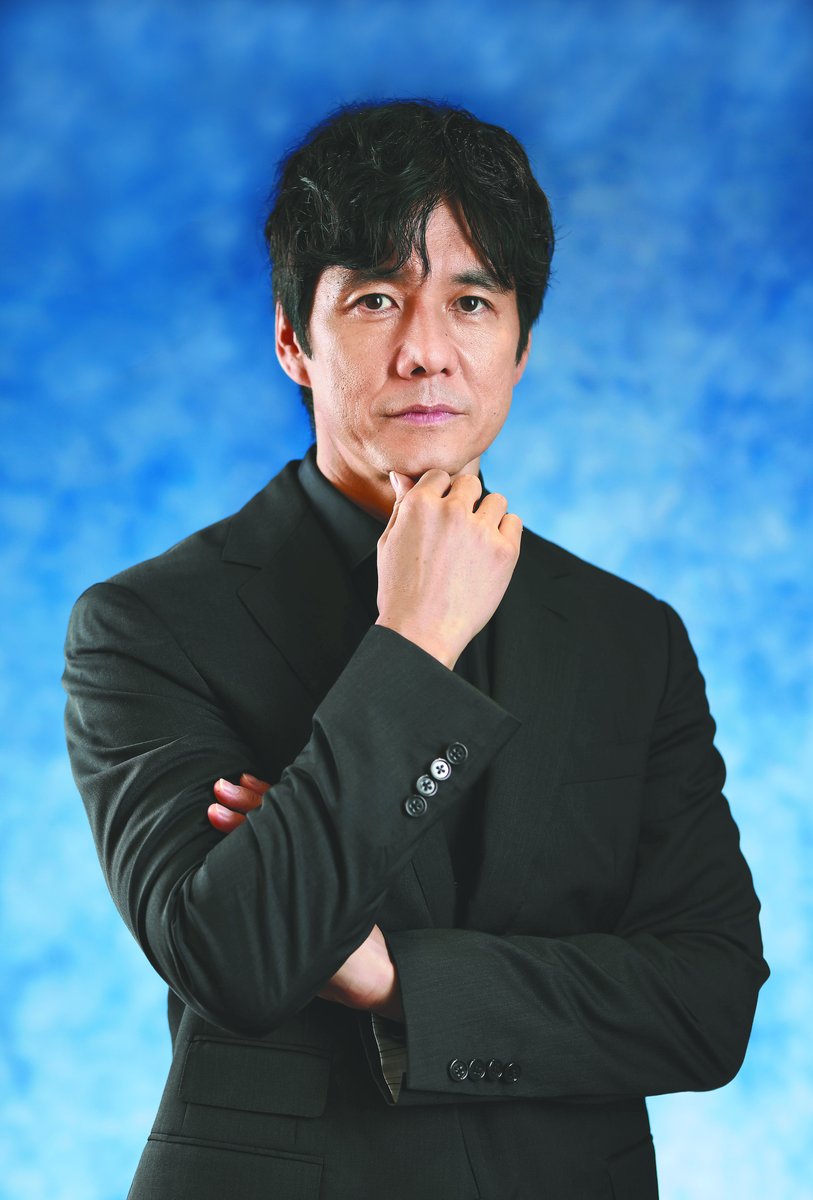
Hidetoshi Nishijima
11:00 JST, February 6, 2026
Filicide is a taboo. So is using a corpse to make a work of art. Taboos pile up in Kanae Minato’s novel “Ningen Hyohon” (“Human Specimen”), which has now been adapted into the drama series “Human Specimens,” streaming exclusively on Amazon Prime Video since Dec. 19.
Hidetoshi Nishijima, who plays the protagonist of the series, recently spoke to The Yomiuri Shimbun about the experience of acting in this shocking work.
When he received the offer to appear in the series, he said, he ran to a book shop and bought a copy of the novel, which he found fascinating. “I read it and immediately told them I wanted to be in the show,” he said.
“It was very interesting and rewarding to read, a deep human drama,” said Nishijima. He added that his first thought after finishing it was that he wanted to take on the challenge of bringing it to the screen.
In the story, the bodies of six boys are discovered inside acrylic cases on a mountain one summer day. Shiro Sakaki, the protagonist, a university professor known as an expert on butterflies, turns himself in for the crime. According to Shiro, since childhood, he has been making butterfly specimens and nurturing his obsessive desire to “preserve beauty for eternity.” Now, he says, this drive has led him to make human specimens, using the bodies of boys with good looks and artistic gifts, including his only son, Itaru (Ichikawa Somegoro). The story goes through several twists before reaching a conclusion viewers could never imagine.
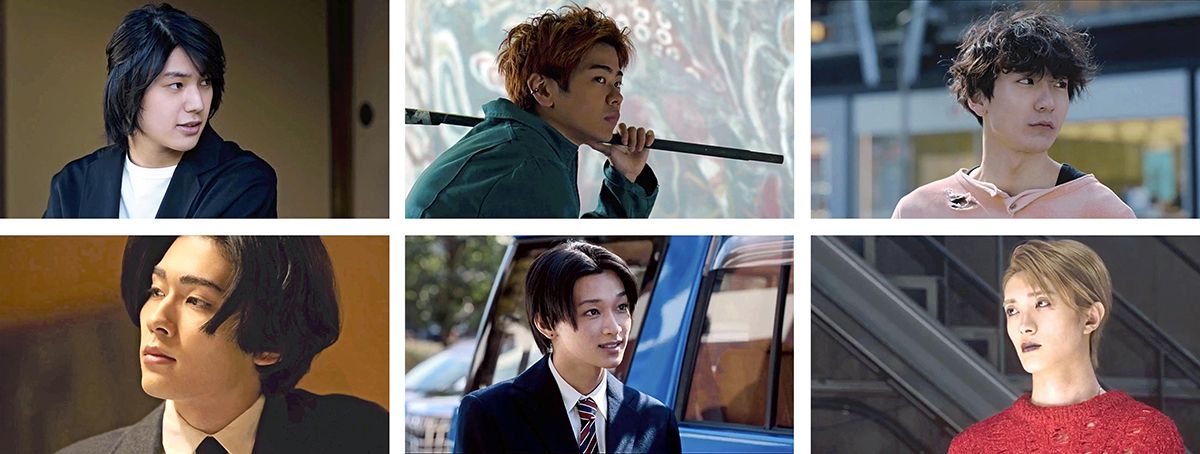
Clockwise from top left: Toru Shirase (played by Towa Araki), Sho Ishioka (Kodai Kurosaki), Dai Kuroiwa (Ikuho Akitani), Hikaru Akabane (Jutaro Yamanaka), Ao Fukazawa (Leo Matsumoto) and Itaru Sakaki (Ichikawa Somegoro) — These six young men are made into human specimens.
Nishijima said it was tough to act out the scene in which Shiro first begins to think of killing his son.
“At the first meeting with the director, Ryuichi Hiroki, and other staff, we discussed how I should play my character [getting over] that an almost insurmountable wall. In fact, if you watch the series until the end, you’ll see it’s a story about profound love. I honestly feel like I struggled throughout the shooting, until the very end,” he said.
For all his experience, he still had to wring the best possible performance out of himself to play the part.
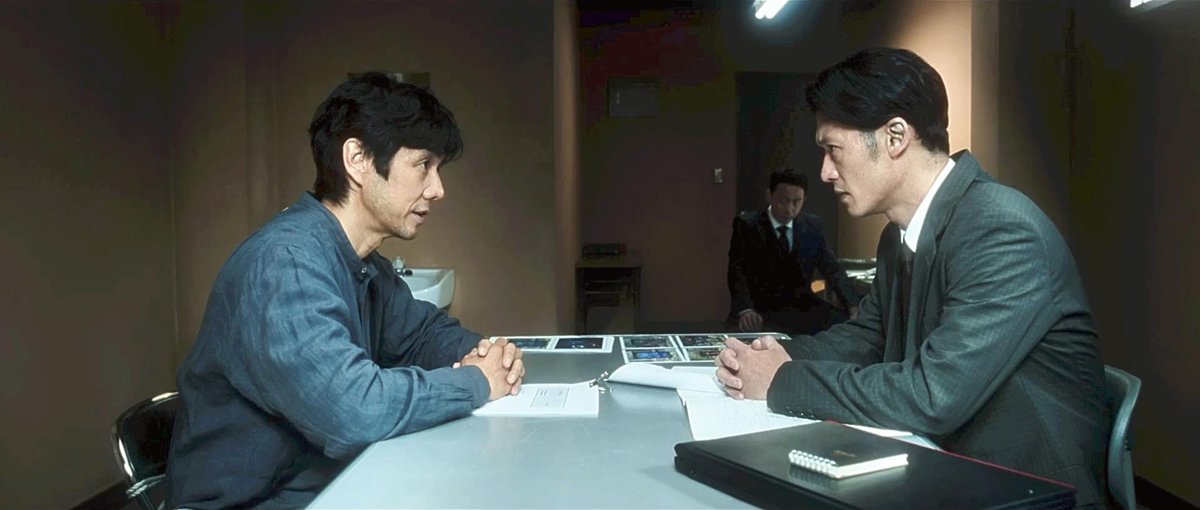
Shiro, left, is interrogated by a police detective.
The boys are all beautiful, and all are highly talented painters. There is also another figure who spots and targets them. If viewers focus on characters other than Shiro, they will get a completely different picture of the show’s events. Therefore, Nishijima was required to deliberately mislead viewers at first before gradually revealing Shiro’s true intentions.
“The story has a really complex structure,” Nishijima said. “The gap is too big between what’s visible from the outside and the contents of the part that is not shown. There were so many times I had to worry in which direction I should play my character, and it was extremely difficult to decide which was correct.”
Seeing the world differently
During the shoot, the young actors actually got inside the specimen cases to play their roles, while elaborate figures representing them were also created for scenes showing them from a distance.
“When I first saw the [figures], they looked so real I really shuddered once I got up-close. They contained both beauty and horror,” Nishijima said. It was a shoot where nothing was entirely normal.
A key part of the story is how the eyesight of butterflies is different from that of humans.
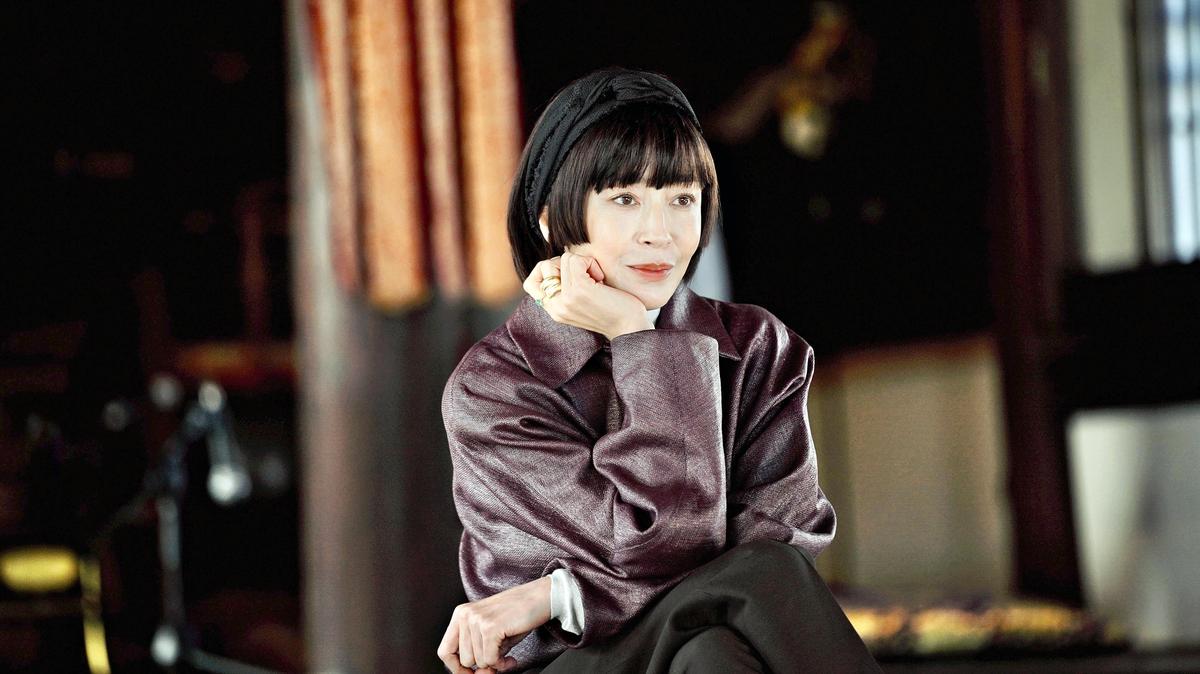
World-famous artist Rumi Ichinose (played by Rie Miyazawa), who spots artistic gifts in the six boys
“They see colors differently from humans, and that is linked to this story about how to look at the world. It was a joy to learn about the wonders that exist in the world, little by little,” he said.
Paradoxically, the drama even poses questions about what it means to be the father of a son.
“I’ve been thinking about fatherhood for years,” Nishijima said. “I don’t mean about [being a father] myself, but I’ve always had a feeling that perhaps people in society are seeking paternal figures.
“I’ve been getting more and more roles that require me to behave paternally like using experience and knowledge to protect young people, or protecting something even if it means clashing with others, regardless of how it will affect [my character]. Perhaps such characters are coveted simply because fatherly things are disappearing from society,” he said.
Hidetoshi Nishijima
Born on March 29, 1971, Nishijima comes from Tokyo and began acting while still a student at Yokohama National University. Since making his full-fledged actor dbut in a TV drama in 1992, he has made his name in the TV series “Asunaro Hakusho” (Hiba white paper) and the film “Drive My Car,” among other works.





Most Read
Popular articles in the past 24 hours
-
Seeking Nuclear Waste Site, Japan Eyes Remote Island of Minami-To...
-

Japan Ministry Asks to Conduct Nuclear Waste Disposal-related Sur...
-

Total Lunar Eclipse Visible for Some in Japan, While Clouds Block...
-

WBC to Begin: All the Pieces are in Place for Japan’s Second Stra...
-

Milano Cortina 2026: Ceremony for Winter Paralympic Torch Relay T...
-
Tokyo High Court Upholds Unification Church Dissolution Order; Li...
-

CARTOON OF THE DAY (March 4)
-
Japan to Set Up National Intelligence Bureau as Hub for Counterin...
Popular articles in the past week
-
Tokyo Spends Big on Children, Wins Over Parents
-
Japan’s Miura, Kihara Announce Withdrawal from Figure Skating Wor...
-

South Korea Tightens Rules on Foreigners Buying Homes in Seoul Me...
-
BOJ Keeping Eye on Economy and Takaichi's ‘Proactive Fiscal Polic...
-
Tokyo Measles Patient Traveled to Fukuoka Aboard JAL Planes; Susp...
-
Nidec Chairman Resigns Amid Accounting Scandal at Major Japanese ...
-

Strait of Hormuz Closure Shakes Markets; Prolonged Closure Could ...
-
Tourists Ignore Safety Barriers Near Famous Zao ‘Snow Monsters’ i...
Popular articles in the past month
-

Producer Behind Pop Group XG Arrested for Cocaine Possession
-

Japan PM Takaichi’s Cabinet Resigns en Masse
-

Man Infected with Measles Reportedly Dined at Restaurant in Tokyo...
-

Israeli Ambassador to Japan Speaks about Japan’s Role in the Reco...
-

Videos Plagiarized, Reposted with False Subtitles Claiming ‘Ryuky...
-

Prudential Life Insurance Plans to Fully Compensate for Damages C...
-

Woman with Measles Visited Hospital in Tokyo Multiple Times Befor...
-

iPS Treatments Pass Key Milestone, but Broader Applications Far f...
Top Articles in Culture
-

Director Naomi Kawase’s New Film Explores Heart Transplants in Japan, Production Involved Real Patients, Families
-
Tokyo Exhibition Offers Inside Look at Impressionism; 70 of 100 Works on ‘Interiors’ by Monet, Others on Loan from Paris
-
Traditional Japanese Silk Hakama Tradition Preserved by Sole Weaver in Sendai
-
Exhibition Featuring Yoshiharu Tsuge’s Manga World Underway in Chofu, Tokyo; Unique, Surreal Works Draw Steady Crowds
-
Japanese Film, Anymart, Wins Critics’ Award at International Film Festival in Berlin, Director’s Debut Feature Film Shocks Audiences
JN ACCESS RANKING
-
Producer Behind Pop Group XG Arrested for Cocaine Possession
-
Japan PM Takaichi’s Cabinet Resigns en Masse
-
Man Infected with Measles Reportedly Dined at Restaurant in Tokyo Station
-
Israeli Ambassador to Japan Speaks about Japan’s Role in the Reconstruction of Gaza
-
Videos Plagiarized, Reposted with False Subtitles Claiming ‘Ryukyu Belongs to China’; Anti-China False Information Also Posted in Japan